
GEA's strong drive to innovate and improve the compaction process is reflected in the unique design and patented features present throughout our rotary tablet press range.
Our R&D and engineering departments constantly focus on increasing the productivity and flexibility of our tablet presses, improving tablet quality and enhancing operator safety.

Discover NexGen Press®
We have combined the very best aspects of the MODUL and PERFORMA tablet compression lines into a new range: NexGen Press®.
Every aspect of each machine has been deconstructed, analyzed, upgraded and reassembled to represent the best-in-class solution for the widest range of tableting applications, with the aim of enhancing productivity, flexibility and sustainability.
Products
Affichage de 4 sur 4

NexGen Press® 30
Combining the best features of the MODUL-P and PERFORMA-P, the NexGen Press® 30 is ideally suited for formulation development, clinical trial production and small batch/multi-product production. It is modular by design and can be configured to fit specific applications, such as bi-layer compression, MUPS, micro-tablets, OEB levels from 1 to 5, wi...

NexGen Press® 45
The NexGen Press® 45 represents the ultimate combination of modular design, digitization, safety, ease of use and ergonomic functionality, while providing high throughputs for larger tablet production campaigns.
NexGen Press® range
Featuring an innovative design that promotes operator (and environmental) safety and ease of use, the NexGen Press® range is modular, intuitive and cost-effective to run, combining unrivaled containment with fast product changeovers and the best price-performance tableting system..

PERFORMA D Tablet Press
The commercial-scale PERFORMA D is the latest addition to GEA’s portfolio of rotary tablet presses. Designed for the reliable and cost-effective large-scale production of oral solid dosage forms, the new double-sided model combines the benefits of flexibility and robust performance for a wide range of formulations.
Downloads
GEA Insights
La percée qui a révolutionné le séchage par atomisation
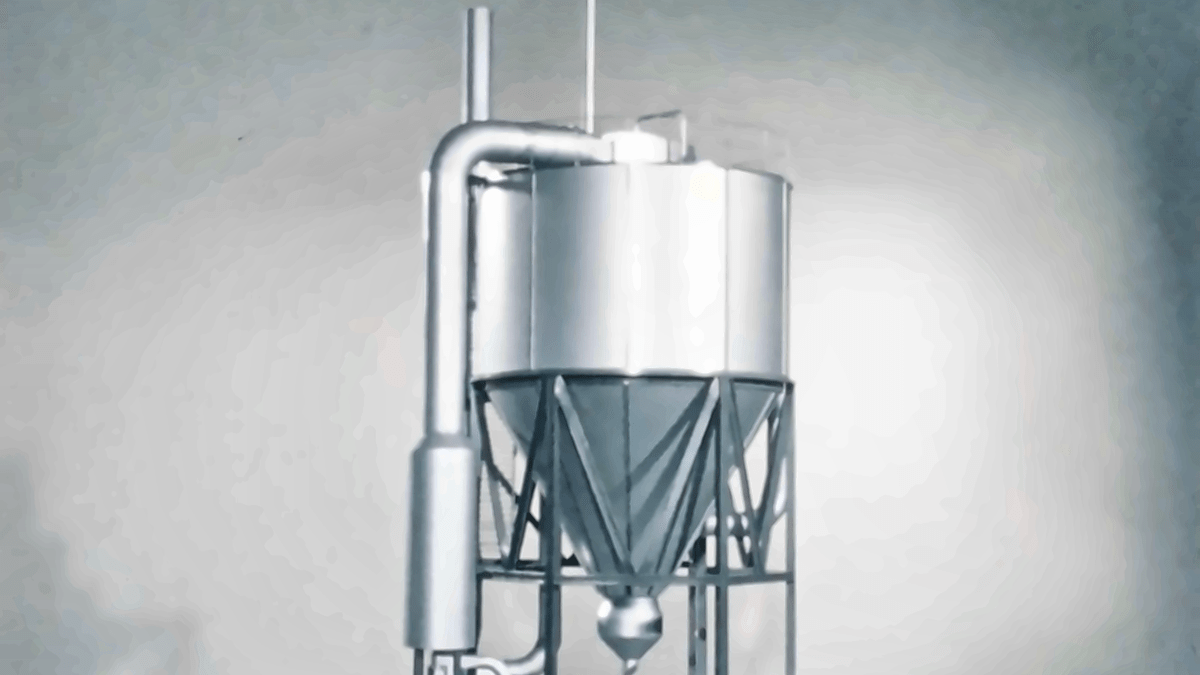
En 1976, les ingénieurs de NIRO répondaient à un défi concurrentiel en repensant ce que pouvait faire le séchage par atomisation. Leur idée est à l'origine du sécheur-atomiseur à plusieurs étages MSD. Cinquante ans plus tard, ce même principe fondamental aide à transformer les liquides en poudres, qui sont utilisées dans des produits nutritionnels essentiels et des médicaments importants partout dans le monde. Perfectionné au cours de plusieurs décennies d'expertise technique, d'enquêtes clientèle et de développement continu, le MSD est une histoire d'innovation aux retombées durables.

Au-delà des machines : exploiter les gisements de performance des installations
Ce n'est pas parce que vous avez des machines efficaces que votre usine l'est. Une trajectoire d'amélioration efficace commence souvent par une analyse qui ne se limite pas aux équipements pris individuellement, et cherche à comprendre comment les processus, les systèmes énergétiques et les décisions opérationnelles s'influencent mutuellement. C'est une démarche holistique, conçue pour repérer des opportunités qui, sans cela, risqueraient de passer inaperçues.

Comment une vanne révolutionne la production des aliments et des boissons
Dans les installations agroalimentaires, les vannes sont généralement actionnées en utilisant de l'air comprimé. La technologie d'actionnement GEA Hydract® Actuation Technology, quant à elle, actionne les vannes en utilisant de l'eau, au sein d'un circuit fermé à commande numérique. Résultat, une vanne peut être maintenue en place de manière exacte et réglée par petits paliers. Cela se traduit par une consommation d'énergie en baisse et un meilleur contrôle.
