
Available in 3 standard sizes, depending on the desired throughput (from 5 to 120 kg/h or 20,000 to 180,000 tablets/h to be verified by testing), the systems can be customized with a number of options to suit customer needs.
The Conductor software ensures seamless control of the entire process and provides full reporting and track & trace.
Mainly targeted towards high value products (low dose API), orphan drugs and new chemical entities, the systems can be equipped with cleaning and containment features to handle highly potent formulations.
Standard Configuration
- 1 loss-in-weight feeder for formulation pre-mix
- Twin-screw granulator
- Segmented fluid bed dryer
- Granule conditioning unit
- GEA compression system
Available Options
- Dosing and blending unit for preparing the formulation pre-mix
- Melt granulation set-up
- Solvent capable
- PSR
- PAT tools
- Cleaning upgrade
- Containment upgrade
- Material handling system including containment features
- TC coater modules
Main Benefits
- Controlled granulation
- Better distribution of granulation binder
- Porosity control of the granules
- Control of granule particle size distribution
- Small amount of product in process (minimal amount of API at risk of OOS)
- Elimination of work-in-progress
- Increased flexibility from very low to very high API content
- Use of solvent-free binders
- Compatible with variable throughput capacities
- Flexible batch size
- Smaller footprint
Read more about how GEA and its partners are implementing this technology to lead the way toward smaller, more flexible, continuous processing technologies that are transforming the future of pharmaceutical development and manufacturing.
Downloads
Produits associés

ConsiGma® Direct Compression with Linear Blending (DC-LB) Lines
A highly integrated solution for continuous linear blending and direct compression, the ConsiGma® DC-LB lines offer all the advantages of continuous manufacturing: supply chain agility, small footprint, controlled blending and compression and improved quality.

ConsiGma® 1 - R&D Granulation and Drying
The ConsiGma® 1 offers standalone continuous twin-screw granulation and drying for small-scale R&D operations. It allows users to develop the process and achieve high granule quality on a compact unit.

ConsiGma® Film Coater
The ConsiGma® Film Coater is based on the GEA high-performance tablet coating technology that gently and accurately deposits controlled amounts of coating materials onto tablet cores — even if they are hygroscopic or friable.

NexGen Press® range
Featuring an innovative design that promotes operator (and environmental) safety and ease of use, the NexGen Press® range is modular, intuitive and cost-effective to run, combining unrivaled containment with fast product changeovers and the best price-performance tableting system..
GEA Insights
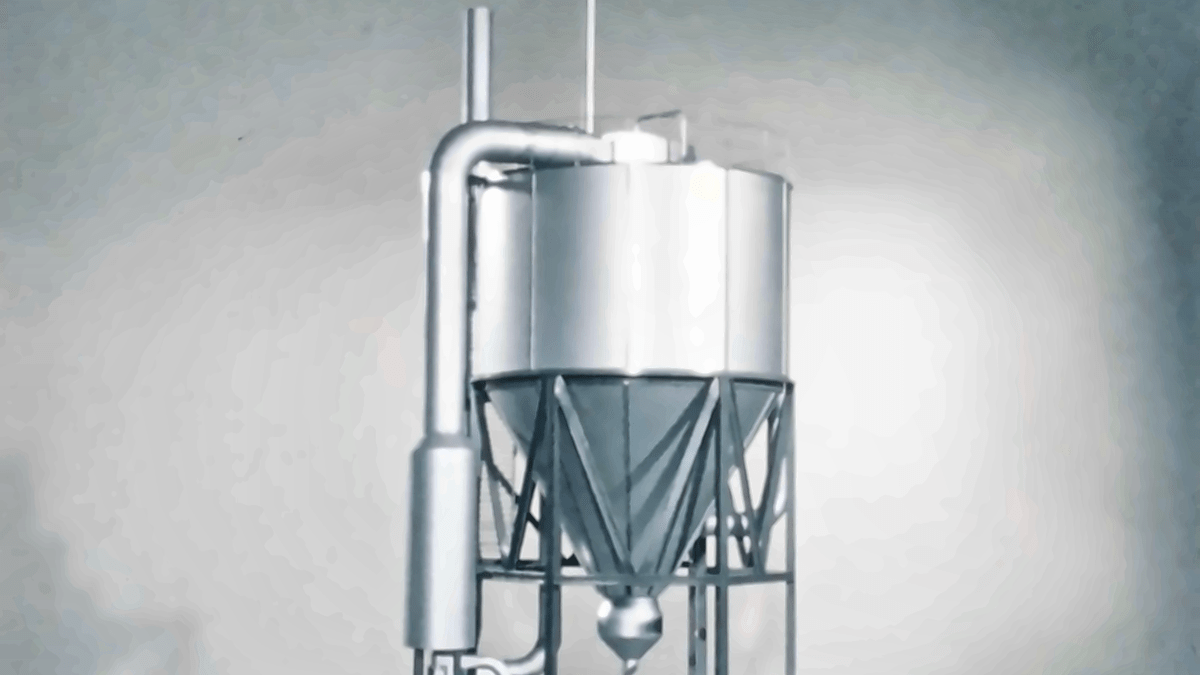
The breakthrough that changed spray drying
In 1976, NIRO engineers responded to a competitive challenge by rethinking what spray drying could do. Their idea became the multi-stage dryer MSD. Fifty years later, the same fundamental principle helps turn liquids into the powders used in essential nutrition products and important medicines around the world. Refined through decades of engineering expertise, customer insight and continuous development, MSD is a story of innovation with lasting impact.
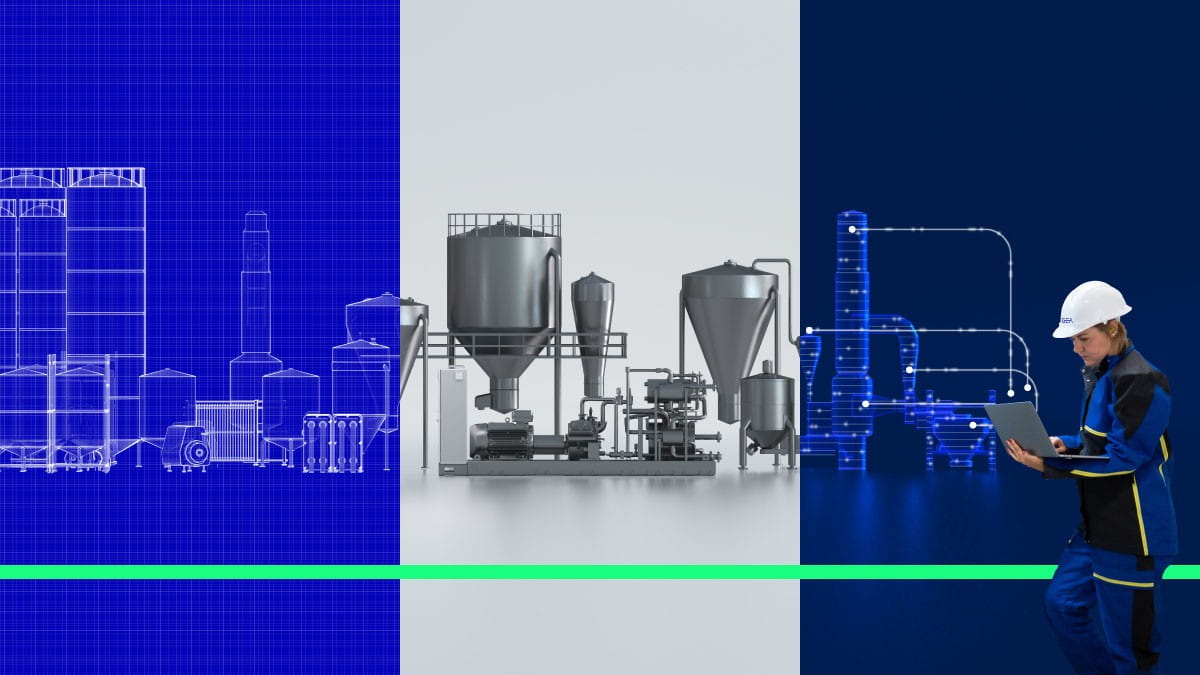
Au-delà des machines : exploiter les gisements de performance des installations
Ce n'est pas parce que vous avez des machines efficaces que votre usine l'est. Une trajectoire d'amélioration efficace commence souvent par une analyse qui ne se limite pas aux équipements pris individuellement, et cherche à comprendre comment les processus, les systèmes énergétiques et les décisions opérationnelles s'influencent mutuellement. C'est une démarche holistique, conçue pour repérer des opportunités qui, sans cela, risqueraient de passer inaperçues.
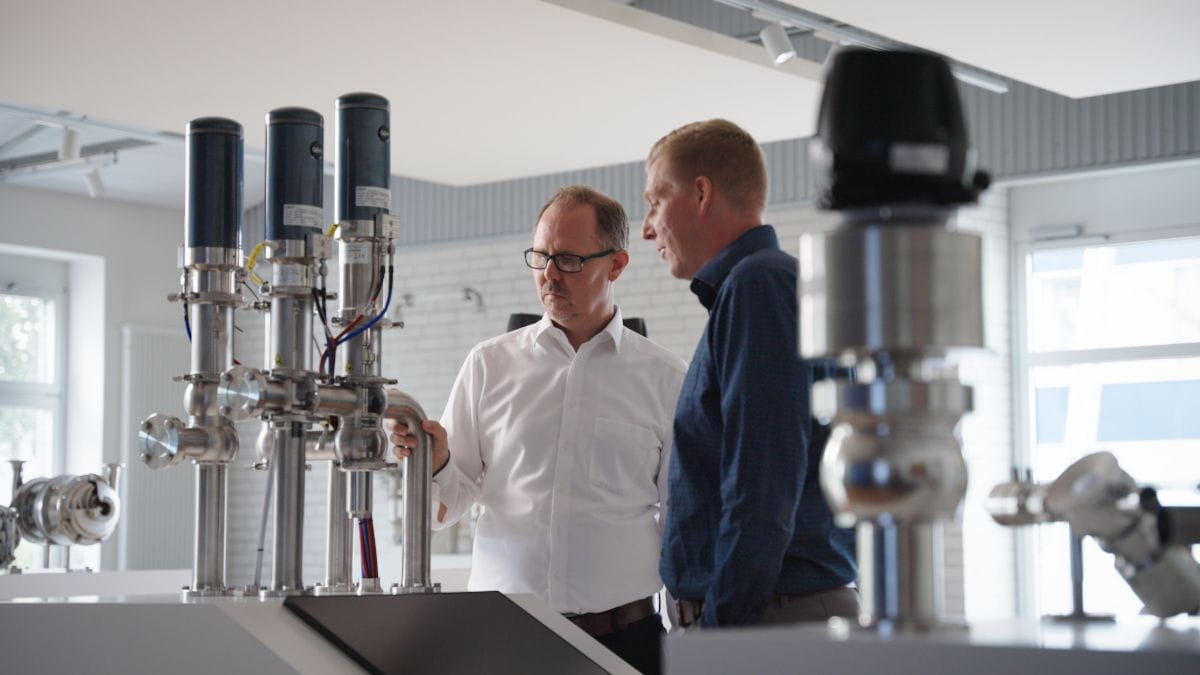
Comment une vanne révolutionne la production des aliments et des boissons
Dans les installations agroalimentaires, les vannes sont généralement actionnées en utilisant de l'air comprimé. La technologie d'actionnement GEA Hydract® Actuation Technology, quant à elle, actionne les vannes en utilisant de l'eau, au sein d'un circuit fermé à commande numérique. Résultat, une vanne peut être maintenue en place de manière exacte et réglée par petits paliers. Cela se traduit par une consommation d'énergie en baisse et un meilleur contrôle.
