
BUCK® Sampler for Contamination-Free Sampling
Based on split valve technology, the BUCK® Sampler was specifically developed for gravity based process sampling applications in combination with commonly used product sampling equipment in processes such as granulation and drying.
The sampler offers a fully contained sampling process, even maintaining a process-related pressure resistance during all stages of docking, sampling and undocking.
Principle BUCK® Sampler
Undocked and Closed
Both the sampler and sample port are closed and sealed with a spring-loaded cover.
Docked and Closed
Connecting the sampler to the sample port forms a secure seal, without needing to stop the process.
Docked and Open
Continuing to screw the sampler to the sample port will cause the two parts to open. Both covers, the sampler and the sample port form a completely sealed unit.
Disposable Hicoflex® Sampling Technology
The Hicoflex® Sample Bag is a fully contained sampling device that enables a process sample or the bulk material in a Hicoflex® Charge Bag to be taken through an Hicoflex® Adaptor. The approx. volume of sample that can be taken is 5ml.
Downloads
Produits associés

BUCK® MC Containment Valves
BUCK® valves were the first commercially available split valves on the market. Used for the contained transfer of active powders from one vessel to another in pharmaceutical production, BUCK® technology is the result of thousands of successful applications worldwide and more than 15 years of experience.

Hicoflex® Single Use Containment System
A disposable high containment Interface for the safe & dust-free transfer of solid dosage material to fully protect your operator, your product and the environment.

Digital Canary protects your people
Based on the traditional concept of a live coal-mine canary, the 21st century equivalent from GEA is a continuous real-time monitoring system that’s been designed to detect breaches in contained pharmaceutical production lines. By providing an additional level of monitoring, the Digital Canary reduces the need for routine occupational health chec...
GEA Insights
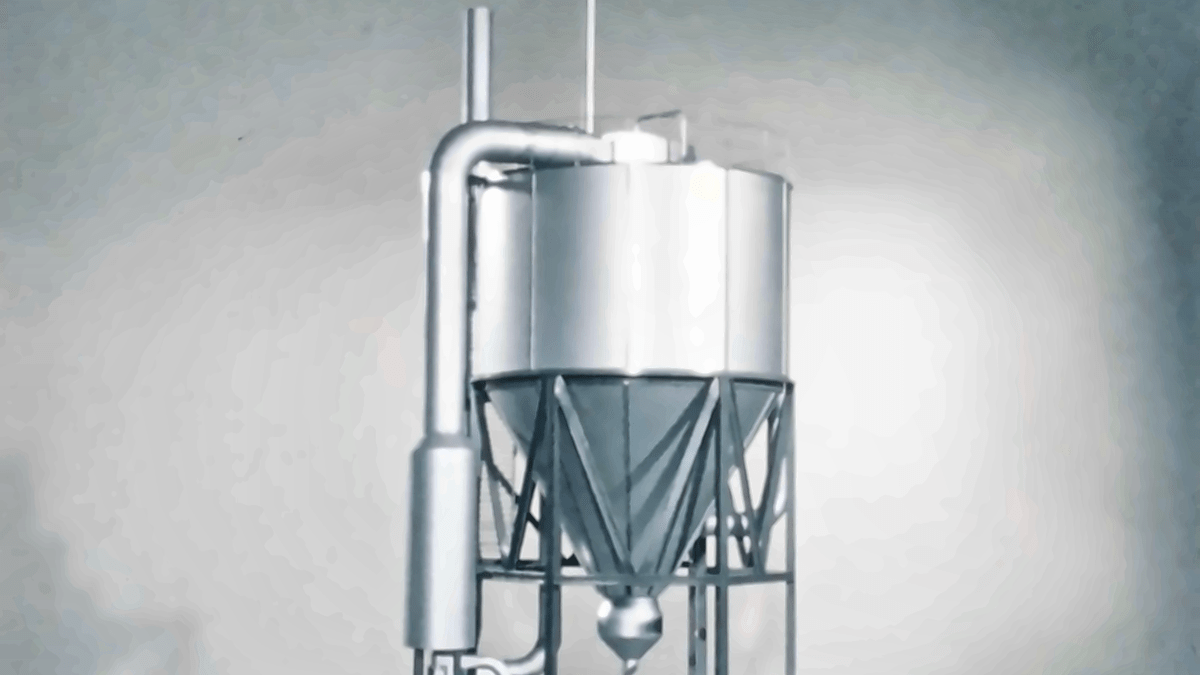
The breakthrough that changed spray drying
In 1976, NIRO engineers responded to a competitive challenge by rethinking what spray drying could do. Their idea became the multi-stage dryer MSD. Fifty years later, the same fundamental principle helps turn liquids into the powders used in essential nutrition products and important medicines around the world. Refined through decades of engineering expertise, customer insight and continuous development, MSD is a story of innovation with lasting impact.
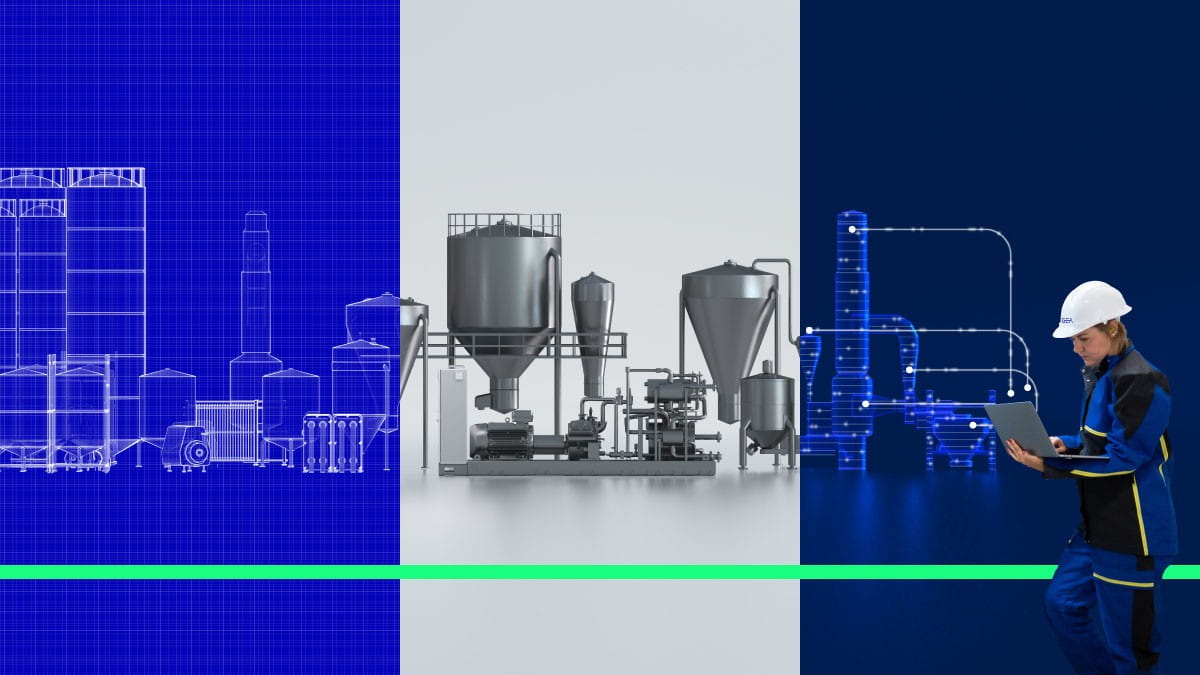
Au-delà des machines : exploiter les gisements de performance des installations
Ce n'est pas parce que vous avez des machines efficaces que votre usine l'est. Une trajectoire d'amélioration efficace commence souvent par une analyse qui ne se limite pas aux équipements pris individuellement, et cherche à comprendre comment les processus, les systèmes énergétiques et les décisions opérationnelles s'influencent mutuellement. C'est une démarche holistique, conçue pour repérer des opportunités qui, sans cela, risqueraient de passer inaperçues.
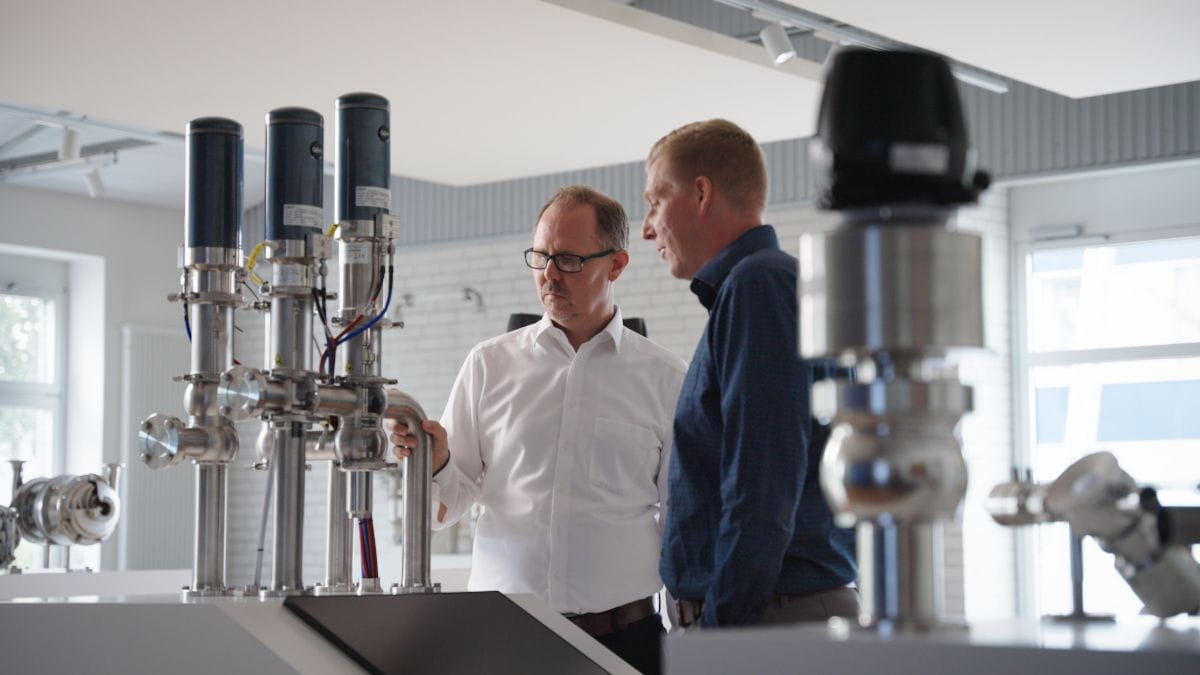
Comment une vanne révolutionne la production des aliments et des boissons
Dans les installations agroalimentaires, les vannes sont généralement actionnées en utilisant de l'air comprimé. La technologie d'actionnement GEA Hydract® Actuation Technology, quant à elle, actionne les vannes en utilisant de l'eau, au sein d'un circuit fermé à commande numérique. Résultat, une vanne peut être maintenue en place de manière exacte et réglée par petits paliers. Cela se traduit par une consommation d'énergie en baisse et un meilleur contrôle.
