
Integrated powder handling solutions
The best results from a powder handling system are achieved when each step fits seamlessly into the complete process. GEA combines process and industry expertise with system integration capabilities to develop complete solutions, from spray drying and freeze drying through powder handling to packing. Trust in one experienced partner for the complete process and you benefit from technologies designed to work together, backed by expertise at dedicated testing facilities providing data to support system design, and a global service network and lifecycle support.
 Product quality & yield
Every step in a powder handling process can affect the value and quality of your product. GEA systems are designed to help minimize dust and product loss while protecting product integrity throughout the handling process. Our systems can help you achieve more consistent quality and better value from your products and process.
 Hygiene & cleanability
Hygienic powder handling starts with equipment that’s designed with cleaning in mind. GEA systems can help to reduce contamination risks and simplify cleaning, supporting high hygiene standards, while making day-to-day operation and product changeovers easier.
 Reliability & uptime
Reliable powder handling is an essential part of an efficient production process. GEA solutions are designed to support consistent, dependable operation, helping to reduce disruptions and unplanned downtime, and keeping your process running smoothly.
Industries we serve
Discover GEA Powder Handling products and solutions.
Products and solutions
Pneumatic Conveying

Powder storage and buffering
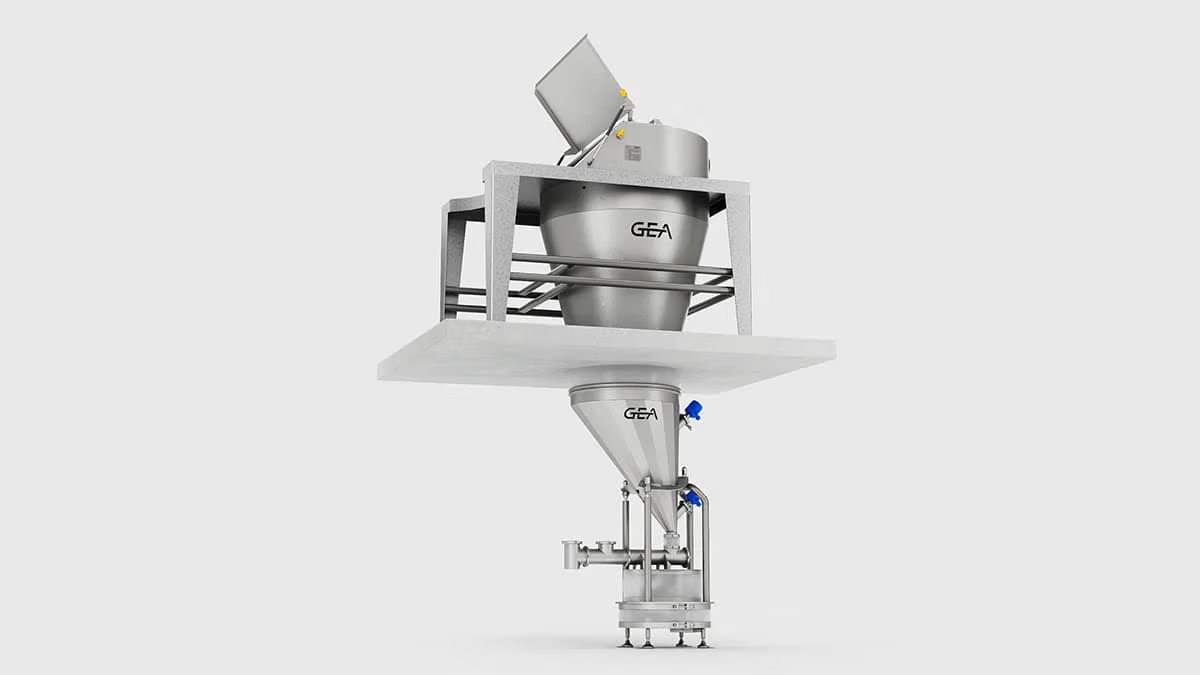
Conveying, feeding and dosing
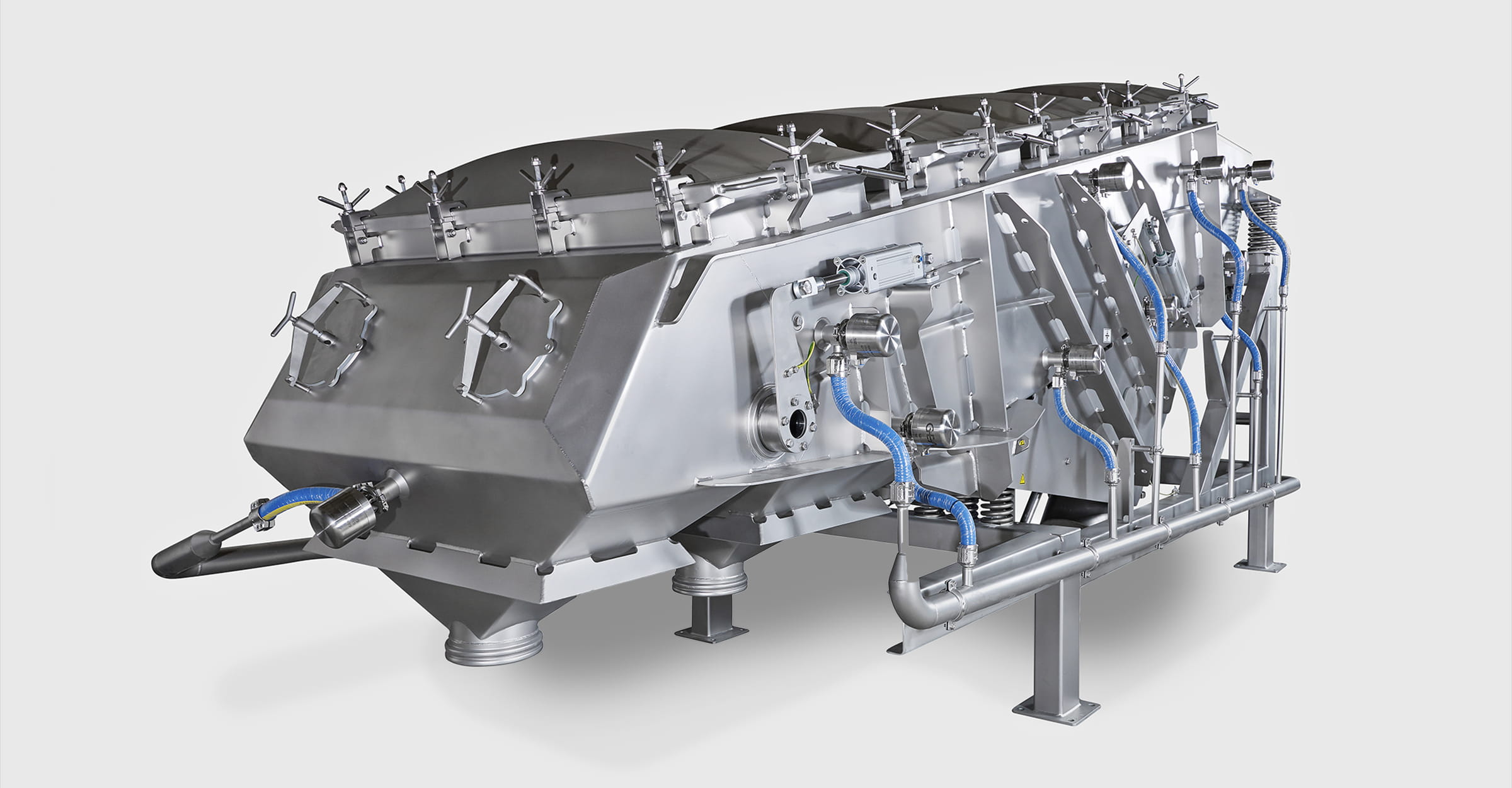
Screening and grading
Powder sampling

Loading / Unloading systems

Contained Materials Handling Systems
Automation and system integration
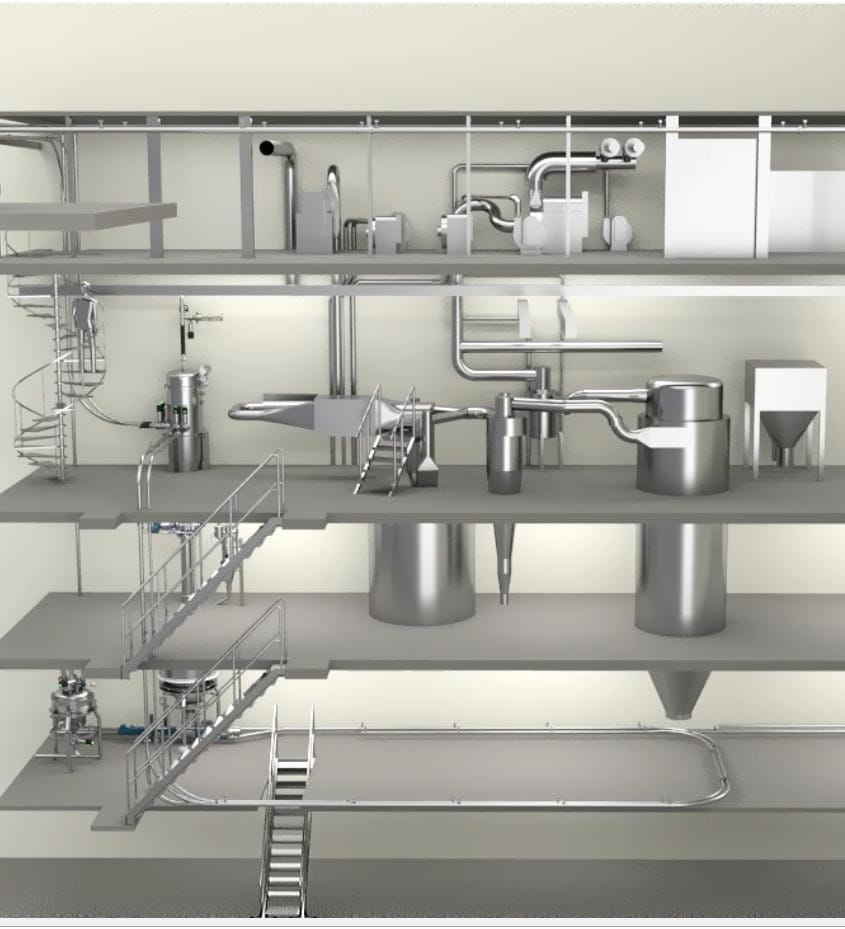
GEA brings individual technologies together into one integrated process that can span spray drying and freeze drying, through to powder handling, storage and buffering, and packing. Buffer storage helps decouple continuous drying from packing campaigns, providing flexibility for product release, cleaning and operational interruptions. Integrated automation supports the complete process with functions such as route selection, inventory monitoring, weighing, recipe control and reporting. By considering the process as a whole we can design stages that work effectively together and provide one point of responsibility for the integrated solution.
See system integration in action
Explore the GEA Process Line Tour to see how individual technologies and process steps can come together as part of a complete production line. Zoom in on Powder handling & storage to explore the technologies and solutions that connect the different stages of the process.

Trials at GEA powder handling test center
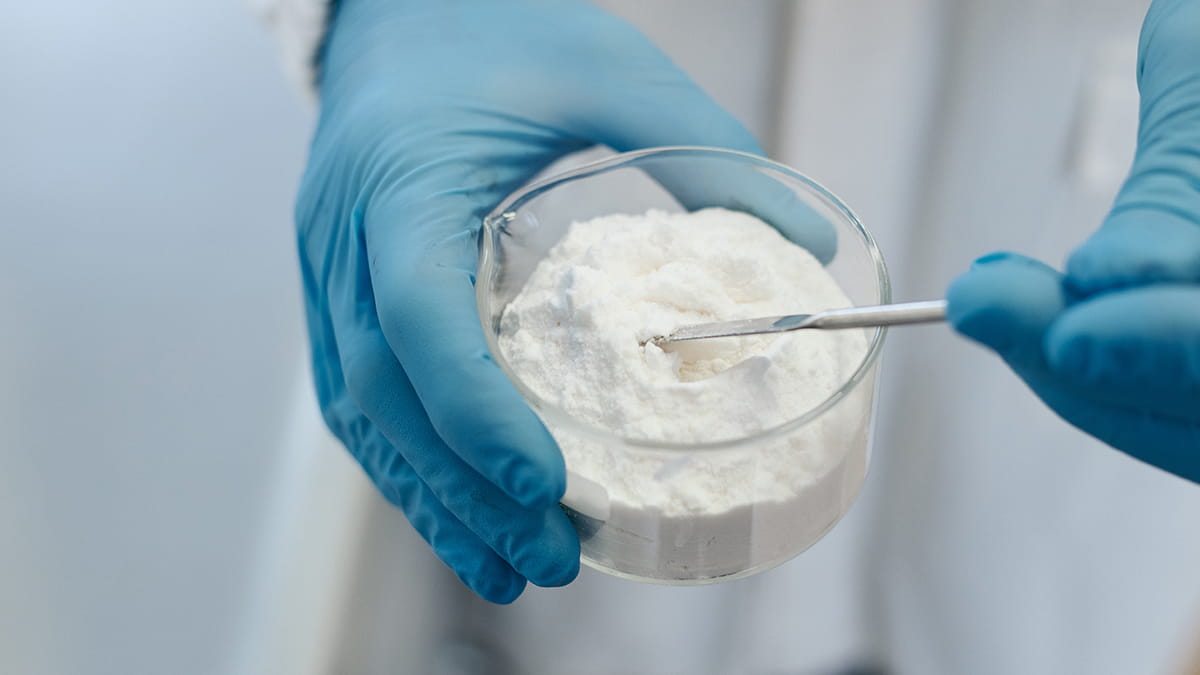
Understanding how a powder behaves is key to designing the right handling system. At our test center we can analyze powder properties such as compressibility, moisture content, flowability and fluidization behavior. These insights help us configure powder handling and transport solutions tailored to dairy, food ingredients, chemicals and coffee powders.

Service and lifecycle support
Common questions about powder handling
Yes. GEA develops integrated solutions that combine conveying, storage, feeding and packing technologies with process engineering and automation. The scope is defined around your product and production requirements, with technologies designed to interface with upstream and downstream equipment.
Selecting the best system will depend on powder properties, required throughput, conveying distance, plant layout and hygiene requirements. GEA considers all relevant factors when selecting an appropriate conveying method. Product trials can provide data to support system design and configuration.
Conveying velocity, transfer points and discharge conditions can all affect powder quality. Tests with your product can help to evaluate how proposed handling conditions will affect key powder properties. The results then support the selection and configuration of conveying and feeding technologies to help limit particle breakdown and fines generation.
Buffer storage allows drying and packing to operate on different schedules. A dryer can continue producing while packing takes place in planned campaigns, subject to available storage and product release requirements. This strategy also provides flexibility for cleaning and operational interruptions.
Equipment design and cleaning systems are selected and configured according to product and hygiene level requirements. Configuring systems with access for inspection, suitable contact surfaces and discharge helps to support effective cleaning. When considering system design as a whole it’s also important to think about requirements at product changeover.
Yes. At GEA’s Powder Handling Pilot Plant in Søborg, Denmark, we can evaluate pneumatic conveying using dense and lean phase transport under pressure or vacuum. Trials with your product provide data to support technology selection and system dimensioning.
Depending on the agreed project scope, automation can include conveying routes, destination confirmation, silo inventory, feeding, weighing and packing sequences. Recipe control, alarms and batch reporting can reduce reliance on routine manual actions and support traceability.
Yes. Future capacity, additional products and packing formats can be considered during initial design. Allowances may include space for additional storage, extra conveying destinations and controls expansion. The available capacity must be assessed for each proposed extension.
The best safety strategy will depend on the powder’s dust characteristics, operating conditions and applicable local requirements, and should be considered at the start of system design. Product-specific data will inform the safety assessment process and so selection and configuration of protection measures, where required.
Useful inputs include powder properties, required throughput, operating hours, storage needs and packing formats. Your plant layout, conveying distances, available height, cleaning requirements and future expansion plans will also help us to define a suitable solution.
Products
Affichage de 4 sur 13

25kg Bag tipping stations
The 25kg bag tipping stations are designed to efficiently and hygienically discharge 25kg bags of powder.

ALUS® Load & Unload of Lyophilizers
ALUS® Automatic Load & Unload Systems minimize the risk of operator/product contamination while loading and unloading a freeze dryer.

FIBC emptying stations
The GEA FIBC emptying stations is designed to enable a single operator to discharge bulk bags of product into a powder process system.

GEA Powder Spool Sampler
néant
GEA Insights
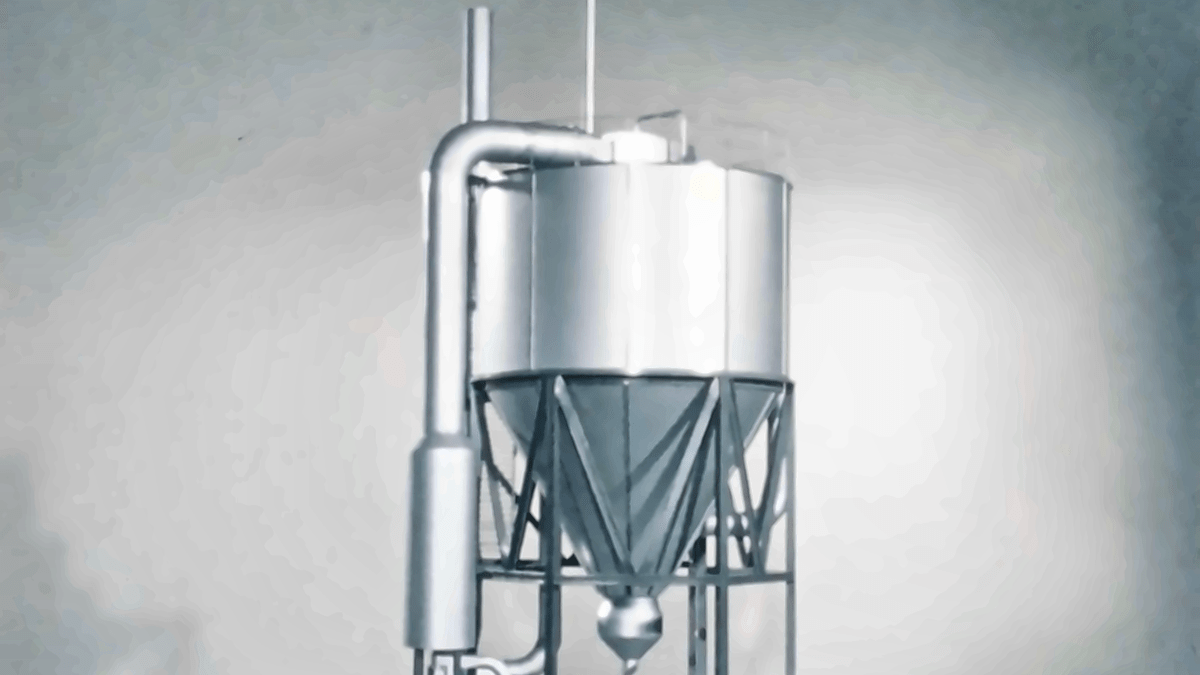
La percée qui a révolutionné le séchage par atomisation
En 1976, les ingénieurs de NIRO répondaient à un défi concurrentiel en repensant ce que pouvait faire le séchage par atomisation. Leur idée est à l'origine du sécheur-atomiseur à plusieurs étages MSD. Cinquante ans plus tard, ce même principe fondamental aide à transformer les liquides en poudres, qui sont utilisées dans des produits nutritionnels essentiels et des médicaments importants partout dans le monde. Perfectionné au cours de plusieurs décennies d'expertise technique, d'enquêtes clientèle et de développement continu, le MSD est une histoire d'innovation aux retombées durables.

Au-delà des machines : exploiter les gisements de performance des installations
Ce n'est pas parce que vous avez des machines efficaces que votre usine l'est. Une trajectoire d'amélioration efficace commence souvent par une analyse qui ne se limite pas aux équipements pris individuellement, et cherche à comprendre comment les processus, les systèmes énergétiques et les décisions opérationnelles s'influencent mutuellement. C'est une démarche holistique, conçue pour repérer des opportunités qui, sans cela, risqueraient de passer inaperçues.

Comment une vanne révolutionne la production des aliments et des boissons
Dans les installations agroalimentaires, les vannes sont généralement actionnées en utilisant de l'air comprimé. La technologie d'actionnement GEA Hydract® Actuation Technology, quant à elle, actionne les vannes en utilisant de l'eau, au sein d'un circuit fermé à commande numérique. Résultat, une vanne peut être maintenue en place de manière exacte et réglée par petits paliers. Cela se traduit par une consommation d'énergie en baisse et un meilleur contrôle.
