

The ConsiGma® Compact Feeder Test rig is a standalone module that enables you to check feeding behaviors at throughputs between 0.025 and 60.00 kg/h (depending on the product).
Regardless of the final purpose (fully integrated continuous line or individual unit operation), this unit is targeted at all companies who have an interest in integrating a continuous feeding step into their operations.
Standard Configuration
- Powder hopper
- Top-up valve
- Compact feeder
Available Options
- Different gear boxes
- Weigh scale
- Options to optimize powder feeding
Main Benefits
- Offline feeding optimization
- Minimal powder required, which can be reused
Read more about how GEA and its partners are implementing this technology to lead the way toward smaller, more flexible, continuous processing technologies that are transforming the future of pharmaceutical development and manufacturing.
Downloads
Produits associés

ConsiGma® Conductor
An indispensable part of the ConsiGma portfolio, the Conductor control system architecture ensures smooth operation and communication between the different elements of a pharmaceutical continuous manufacturing line

Lighthouse Probe® - online measurement
The Lighthouse Probe® can be used for real-time monitoring of chemical and pharmaceutical processes and provides in-process window cleaning at any time, recalibration during the process, full CIP (cleaning) of wash housing and seal, and a clear view inside – even in difficult conditions.

ConsiGma® Film Coater
The ConsiGma® Film Coater is based on the GEA high-performance tablet coating technology that gently and accurately deposits controlled amounts of coating materials onto tablet cores — even if they are hygroscopic or friable.

ConsiGma® 1 - R&D Granulation and Drying
The ConsiGma® 1 offers standalone continuous twin-screw granulation and drying for small-scale R&D operations. It allows users to develop the process and achieve high granule quality on a compact unit.
GEA Insights
La percée qui a révolutionné le séchage par atomisation
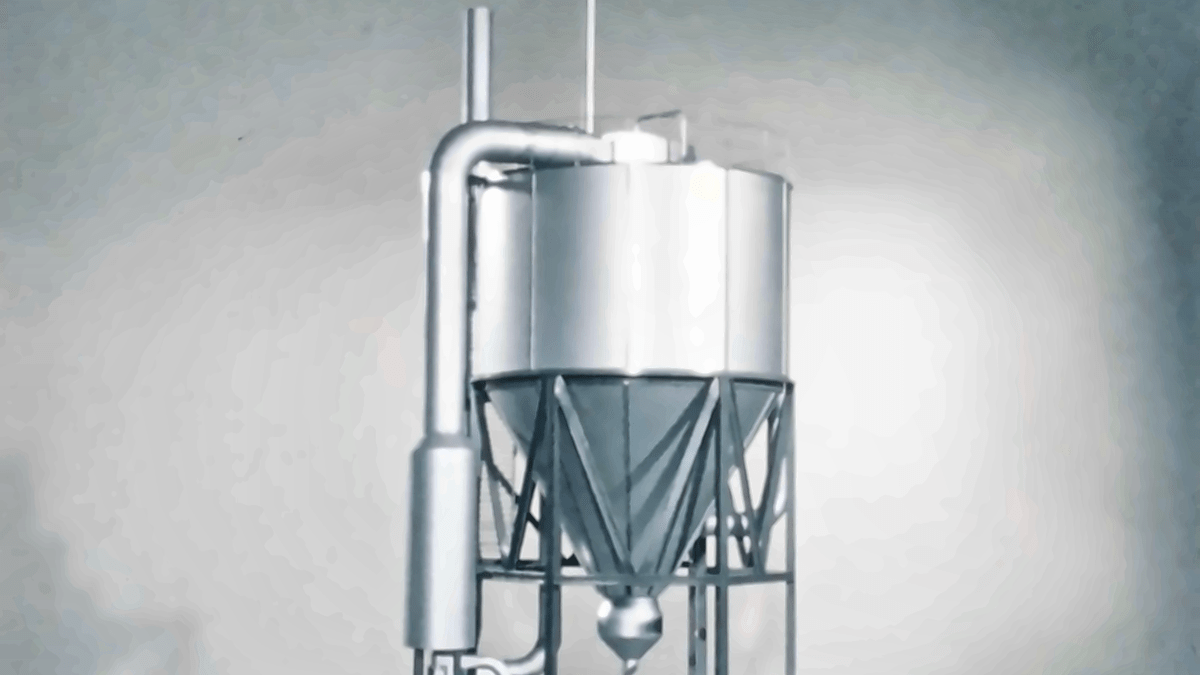
En 1976, les ingénieurs de NIRO répondaient à un défi concurrentiel en repensant ce que pouvait faire le séchage par atomisation. Leur idée est à l'origine du sécheur-atomiseur à plusieurs étages MSD. Cinquante ans plus tard, ce même principe fondamental aide à transformer les liquides en poudres, qui sont utilisées dans des produits nutritionnels essentiels et des médicaments importants partout dans le monde. Perfectionné au cours de plusieurs décennies d'expertise technique, d'enquêtes clientèle et de développement continu, le MSD est une histoire d'innovation aux retombées durables.
Au-delà des machines : exploiter les gisements de performance des installations
Ce n'est pas parce que vous avez des machines efficaces que votre usine l'est. Une trajectoire d'amélioration efficace commence souvent par une analyse qui ne se limite pas aux équipements pris individuellement, et cherche à comprendre comment les processus, les systèmes énergétiques et les décisions opérationnelles s'influencent mutuellement. C'est une démarche holistique, conçue pour repérer des opportunités qui, sans cela, risqueraient de passer inaperçues.
Comment une vanne révolutionne la production des aliments et des boissons
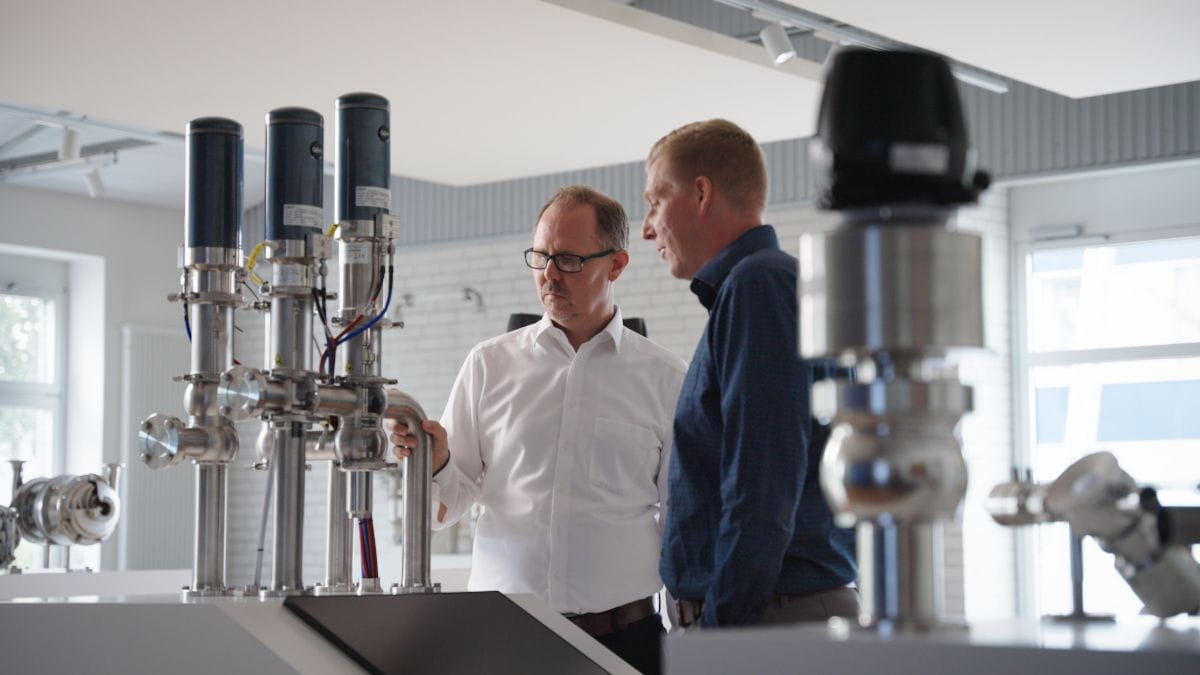
Dans les installations agroalimentaires, les vannes sont généralement actionnées en utilisant de l'air comprimé. La technologie d'actionnement GEA Hydract® Actuation Technology, quant à elle, actionne les vannes en utilisant de l'eau, au sein d'un circuit fermé à commande numérique. Résultat, une vanne peut être maintenue en place de manière exacte et réglée par petits paliers. Cela se traduit par une consommation d'énergie en baisse et un meilleur contrôle.
