

The world's first fully automated lollipop coating line
Now you can produce imaginative and tasty coated lollipops inline - with the GEA Aquarius Coating Line. It creates perfectly formed 3D lollipops before coating them with powders to add different tastes, colors and flavors. The combinations are ample. The fully automated line also wraps the lollipops in sandwichwrap, so consumers can see the attractively coated lollipops inside.
Main applications

Main applications include solid or center filled hard candy 3D lollipops in various shapes, inline coated with powders of your choice.
High quality. High speed. High performance
- Continuous and seamless process from forming to wrapping
- Inline chain dipping and coating system with grippers enables high quality coated lollipops
- Integrated inline chain cooling avoids lollipop form deformation
- Speeds up to 600 lollipops/min for 22-32 diameter
Easy to operate, clean and maintain
- Adjustable stick hopper for easy change-over of different stick lengths
- Quick change set for the forming set enables easy switch in 3D lollipop shapes
- Automated Clean-in-Place system (CIP) ensures proper cleaning at the end of each production cycle
- 24/7 dedicated customer support and application training on request
Durable, high-performance design
- Continuous line performance monitoring on temperature, consumption and system pressure
- Automatic inline lubrication ensures smooth line operation
- Reduced wear & tear and cleaning thanks to closed machine housing, preventing sugar dust getting inside
- Automated machine damage protection system to ensure the forming set will not get damaged
Specifications
Advanced technology
Patented take-over transfer wheel
Unique inline lollipop coating technology
GEA Aquarius Coating Line offers a unique, completely automated line solution for coated lollipops. The coating process comprises of three patented* stages: wetting, coating and removal of excess material. It all happens completely automatically and smoothly.
Patented take-over transfer wheel
This unique take-over transfer wheel ensures that each and every lollipop is transferred smoothly from former to cooler with the help of grippers. The design detail of the lolly can be retained and it is suitable for various shapes or diameters of lollies.
Technical details
| Complete line specifications | GEA Aquarius Coating Line |
| Output | 450 to 600 lollipops / min |
| Filling inside lollipop | 15-20% non-fluid filling |
| Diameter/width lollipop (min to max) | 22 - 32 mm |
| Minimum rim ball lollipops | 4 mm |
| Minimum rim 3D lollipops | 2 mm |
| Diameter stick (min to max) | 3,2 - 5,5 mm |
| Stick length (min to max) | 74 - 102 mm |
| Stick material | PVC, PP, Paper, Wood |
| Wrapping material | Cellophane, Polypropylene, PVC |
| Spot dimension | 4 x 8 mm |
Line equipment
The GEA Aquarius Coating Line includes the following equipment:
GEA Aquarius SandwichWrapper
GEA Aquarius FlexFormer SC for 3D lollipop lines
The GEA Aquarius FlexFormer SC can produce virtually any shape of lollipop you require. Once the lollipops are formed, a unique (patent pending) take-over transfer wheel takes the lollipops out of the die set towards the cooling area. The design of the wheel also makes it possible to change between different shapes and diameters lollipops. To shorten the cleaning effort and time, a CIP unit (Clean-In-Place) has been added to the FlexFormer. This system is equipped with a number of nozzles which can clean the forming set in approximately 30 minutes.
GEA Aquarius PopCooler C
After being formed, the lollipops are transferred by means of grippers directly to the PopCooler C for cooling. The grippers system is equipped with an automated chain to avoid deformations or loss of design detail. The lollipops circulate in the cooler for approximately 3,5 minutes before the take-over wheel transfers the lollipops automatically to the coating unit.
GEA Aquarius PopMoisterer and GEA Aquarius PopCoater
At the Aquarius PopMoisterer, the cooled lollipops are dipped in water and afterward automatically transported toward the PopCoater for inline coating with powders. Any excess coating is automatically removed to guarantee the desired lollipop weight. The system is also equipped with a water-circulation system for necessary freshness.
GEA Aquarius PopDryer
To avoid losing coating material, the lollipops are directly transferred from the PopCoater towards the PopDryer. In the PopDryer the lollipops are guided in line using chain grippers and circulate there for approximately 4,5 minutes. This ensures that the coating layer attaches well to the lollipop and that the absolute minimum of coating particles ends up loose in the packaging.
GEA Aquarius SandwichWrapper
Once the lollipops are coated and dried, they are transported towards the GEA Aquarius SandwichWrapper. Thanks to the transfer grippers, each lollipop is positioned exactly between the bottom and top film. The sandwich wrap style gives you the opportunity to present your coated lollipops in transparent wrapping. The equipment also allows wrapping lollipops in strips up to 10/pack.
Downloads
Vidéos associées
Shape your imagination with GEA Aquarius lollipop forming equipment
GEA Insights
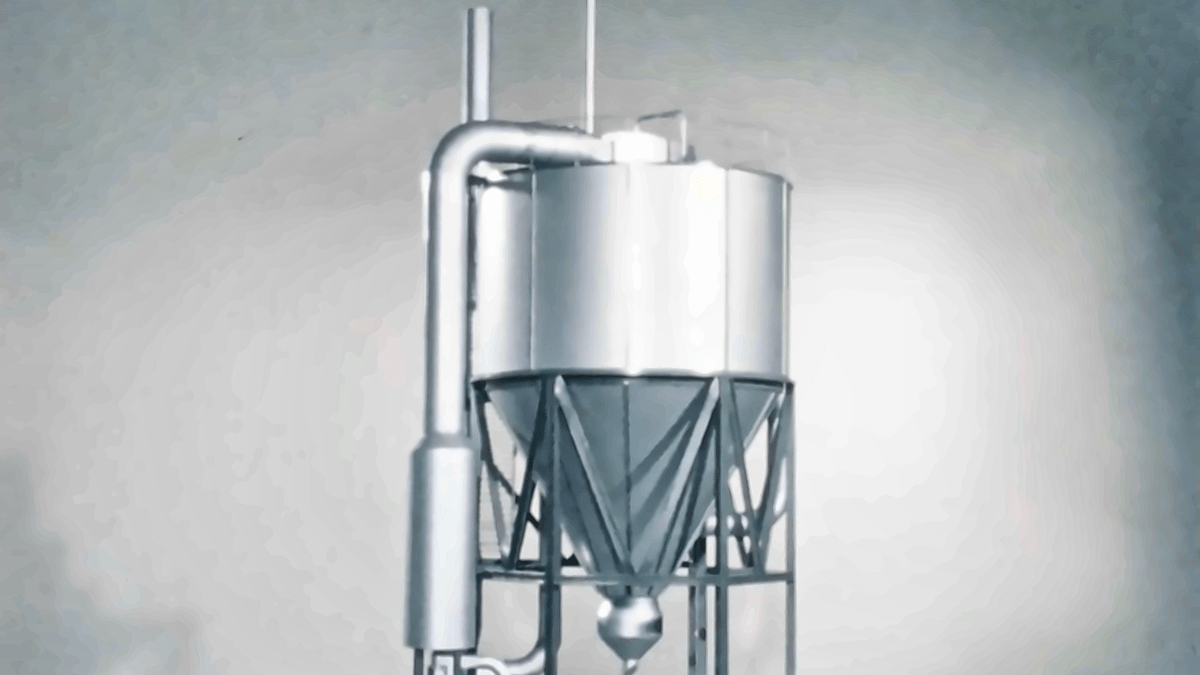
La percée qui a révolutionné le séchage par atomisation
En 1976, les ingénieurs de NIRO répondaient à un défi concurrentiel en repensant ce que pouvait faire le séchage par atomisation. Leur idée est à l'origine du sécheur-atomiseur à plusieurs étages MSD. Cinquante ans plus tard, ce même principe fondamental aide à transformer les liquides en poudres, qui sont utilisées dans des produits nutritionnels essentiels et des médicaments importants partout dans le monde. Perfectionné au cours de plusieurs décennies d'expertise technique, d'enquêtes clientèle et de développement continu, le MSD est une histoire d'innovation aux retombées durables.

Au-delà des machines : exploiter les gisements de performance des installations
Ce n'est pas parce que vous avez des machines efficaces que votre usine l'est. Une trajectoire d'amélioration efficace commence souvent par une analyse qui ne se limite pas aux équipements pris individuellement, et cherche à comprendre comment les processus, les systèmes énergétiques et les décisions opérationnelles s'influencent mutuellement. C'est une démarche holistique, conçue pour repérer des opportunités qui, sans cela, risqueraient de passer inaperçues.

Comment une vanne révolutionne la production des aliments et des boissons
Dans les installations agroalimentaires, les vannes sont généralement actionnées en utilisant de l'air comprimé. La technologie d'actionnement GEA Hydract® Actuation Technology, quant à elle, actionne les vannes en utilisant de l'eau, au sein d'un circuit fermé à commande numérique. Résultat, une vanne peut être maintenue en place de manière exacte et réglée par petits paliers. Cela se traduit par une consommation d'énergie en baisse et un meilleur contrôle.
