

Reducing ship emissions for a cleaner future
The combustion of fossil fuels on ships not only generates power but also releases harmful emissions, including carbon dioxide (CO2), sulphur oxides (SOx), nitrogen oxides (NOx) and soot. These pollutants contribute to environmental issues such as global warming, smog, acid rain and increased levels of fine particles. The impacts have far-reaching consequences for our planet and health.
To combat this, international regulations like IMO Tier II and Tier III have been implemented to control NOx emissions from ships operating on different fuel types. Ships operating outside and inside NOx emission control areas must adhere to specific NOx limits, especially when using low-sulfur (<0.1%) and high-sulfur (>0.5%) fuels.
NOx reduction by exhaust gas recirculation
Exhaust Gas Recirculation (EGR) effectively reduces NOx emissions and ensures compliance with IMO Tier III regulations for both diesel and gas operations. Engine manufacturers have developed engines equipped with EGR systems to accommodate a range of fuels, including heavy fuel oil (HFO), low-sulfur fuels, liquefied natural gas (LNG), and even methanol to meet IMO requirements.
Challenges of EGR process water
The EGR process generates a byproduct: bleed-off water that requires treatment to meet stringent standards. This water must be treated to less than 15 PPM, which aligns with the requirement for bilge water.
Understanding the challenges faced by shipowners in meeting these water treatment requirements, GEA offers two innovative solutions: the GEA NOx Separator and the GEA bilgEGR Solution.
At GEA, we are committed to offering sustainable solutions that enable shipowners to navigate the waters with confidence, knowing that they are meeting regulatory standards and actively contributing to a cleaner maritime sector.
Together, we can drive the maritime sector towards a more sustainable and environmentally conscious future.
Autres applications


Downloads
GEA Insights
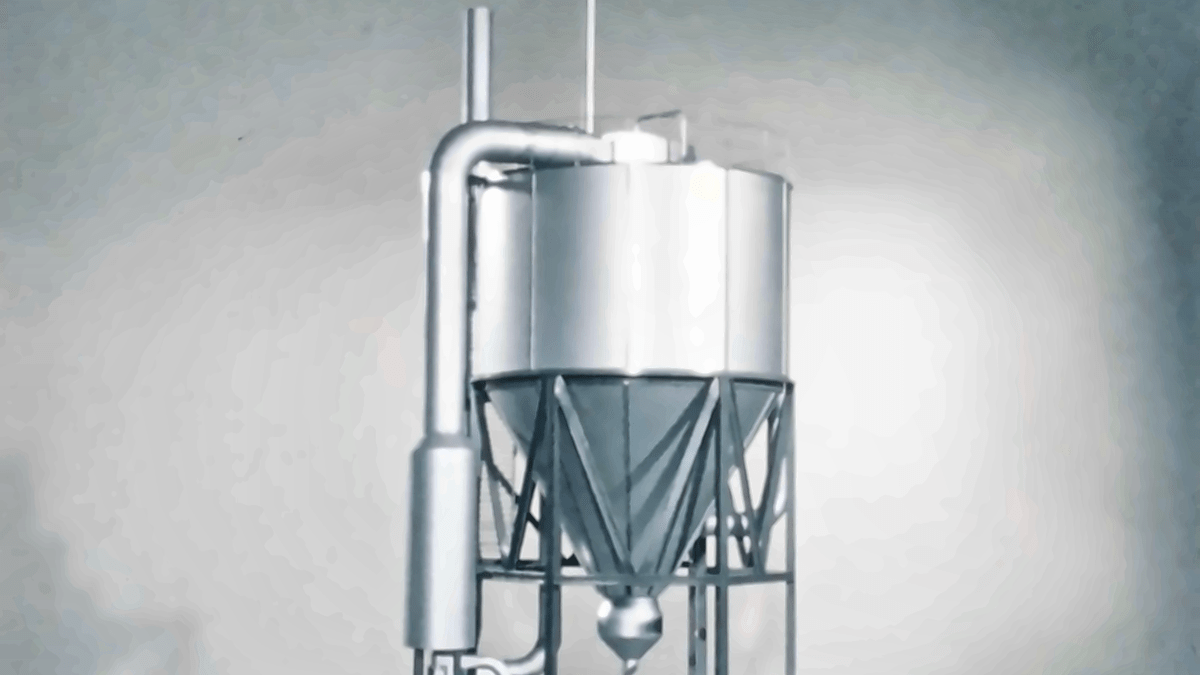
La percée qui a révolutionné le séchage par atomisation
En 1976, les ingénieurs de NIRO répondaient à un défi concurrentiel en repensant ce que pouvait faire le séchage par atomisation. Leur idée est à l'origine du sécheur-atomiseur à plusieurs étages MSD. Cinquante ans plus tard, ce même principe fondamental aide à transformer les liquides en poudres, qui sont utilisées dans des produits nutritionnels essentiels et des médicaments importants partout dans le monde. Perfectionné au cours de plusieurs décennies d'expertise technique, d'enquêtes clientèle et de développement continu, le MSD est une histoire d'innovation aux retombées durables.
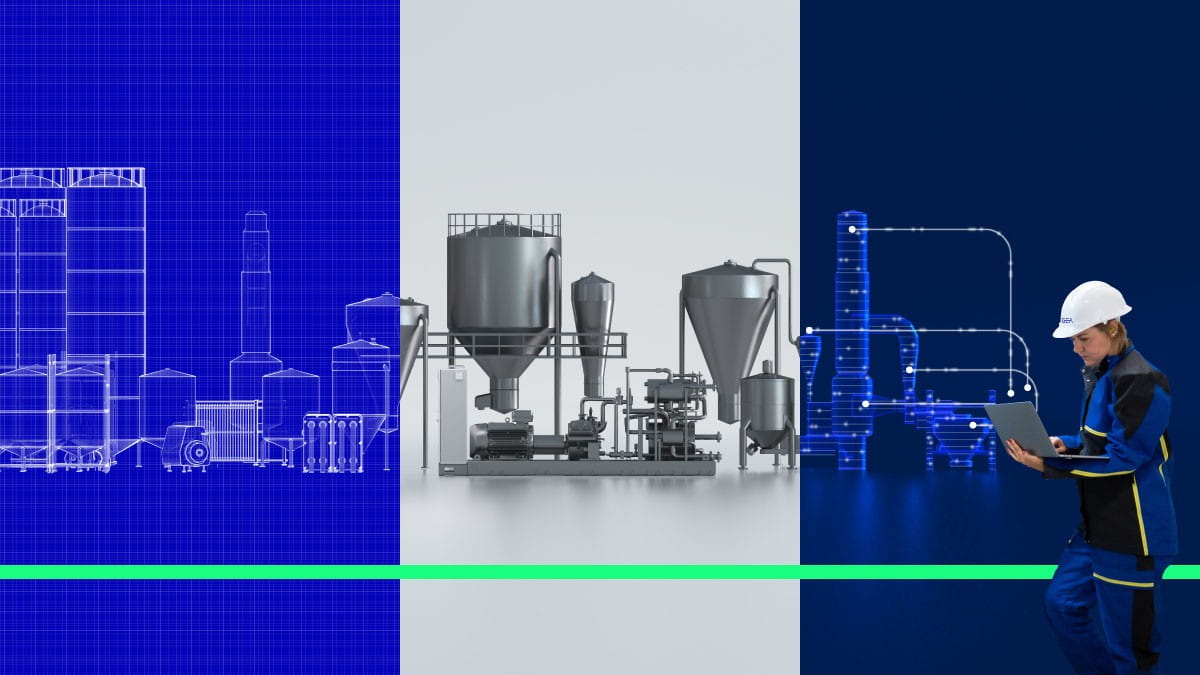
Au-delà des machines : exploiter les gisements de performance des installations
Ce n'est pas parce que vous avez des machines efficaces que votre usine l'est. Une trajectoire d'amélioration efficace commence souvent par une analyse qui ne se limite pas aux équipements pris individuellement, et cherche à comprendre comment les processus, les systèmes énergétiques et les décisions opérationnelles s'influencent mutuellement. C'est une démarche holistique, conçue pour repérer des opportunités qui, sans cela, risqueraient de passer inaperçues.
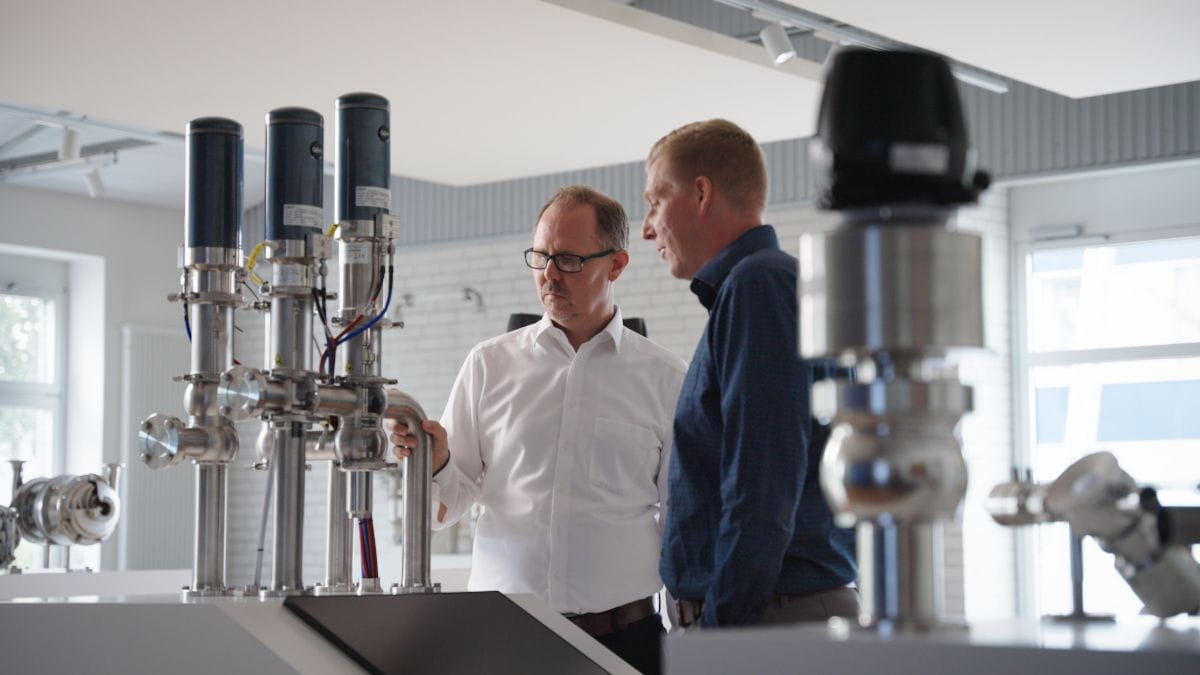
Comment une vanne révolutionne la production des aliments et des boissons
Dans les installations agroalimentaires, les vannes sont généralement actionnées en utilisant de l'air comprimé. La technologie d'actionnement GEA Hydract® Actuation Technology, quant à elle, actionne les vannes en utilisant de l'eau, au sein d'un circuit fermé à commande numérique. Résultat, une vanne peut être maintenue en place de manière exacte et réglée par petits paliers. Cela se traduit par une consommation d'énergie en baisse et un meilleur contrôle.
