
Características técnicas
- Disponibles en acero o acero inoxidable
- Material del cuerpo según la norma alemana DIN EN12284, AD2000 W
- Agente empleado: salmuera a base de glicol EN 378 p. 1; por ejemplo, NH3, R22, R134a y mezclas con aceite refrigerante, fluido neutro, gas y líquido, salmuera a base de glicol
- Posición de montaje: horizontal y vertical para flujo ascendente
| Válvulas de cierre de retención RVAK | |
| diseño | recto o curvo |
| material | acero o acero inoxidable |
| tamaño nominal | DN 10-150 |
| nivel de presión nominal | PS 25, PS 40, PS 63 |
| rango de temperaturas | -60 °C a +150 °C |
| conexión | extremos con soldadura a tope DIN, ANSI extremos con brida DIN, ANSI extremos soldables extremos roscados |
| otros | extensión de la cubierta rodamiento lineal |

Stop Check Valve type RVAK
Downloads
Productos relacionados

Válvulas de retención RVZ
Válvulas de retención con diseño de abrazadera, con o sin amortiguación integrada, o con amortiguación integrada y guía del eje lineal.

Válvulas de cierre de retención RVA
Válvulas de retención con vástago ascendente y junta anular de PTFE en el vástago, enclavables.

Válvulas de retención RV
Válvulas que se cierran de forma automática cuando se invierte la dirección del flujo.
Productos de servicio

Secador de amoníaco de GEA
Complemento práctico para el sistema de refrigeración. El secador de amoníaco elimina el agua del ciclo refrigerante y constituye el complemento perfecto para el sistema de refrigeración de amoníaco junto con los filtros y purgadores.

Lubricantes para refrigeración por amoníaco PR-OLEO® de calidad premium
Los lubricantes para refrigeración por amoníaco PR-OLEO® de calidad premium son lubricantes refinados hidrocraqueados de 2 etapas que están especialmente formulados para sistemas de refrigeración por amoniaco tanto con compresores de tornillo como compresores alternativos.

Kits de servicio GEA para compresores alternativos y de tornillo
Bienvenido al mundo de la simplicidad con los kits de servicio GEA para compresores alternativos y de tornillo. Nuestra misión es clara: hacer que su experiencia con los recambios originales sea perfecta y que sus operaciones sean más fluidas que nunca. “Tómeselo con calma, utilice un kit” no es solo un eslogan, es una promesa que cumplimos.
GEA Insights
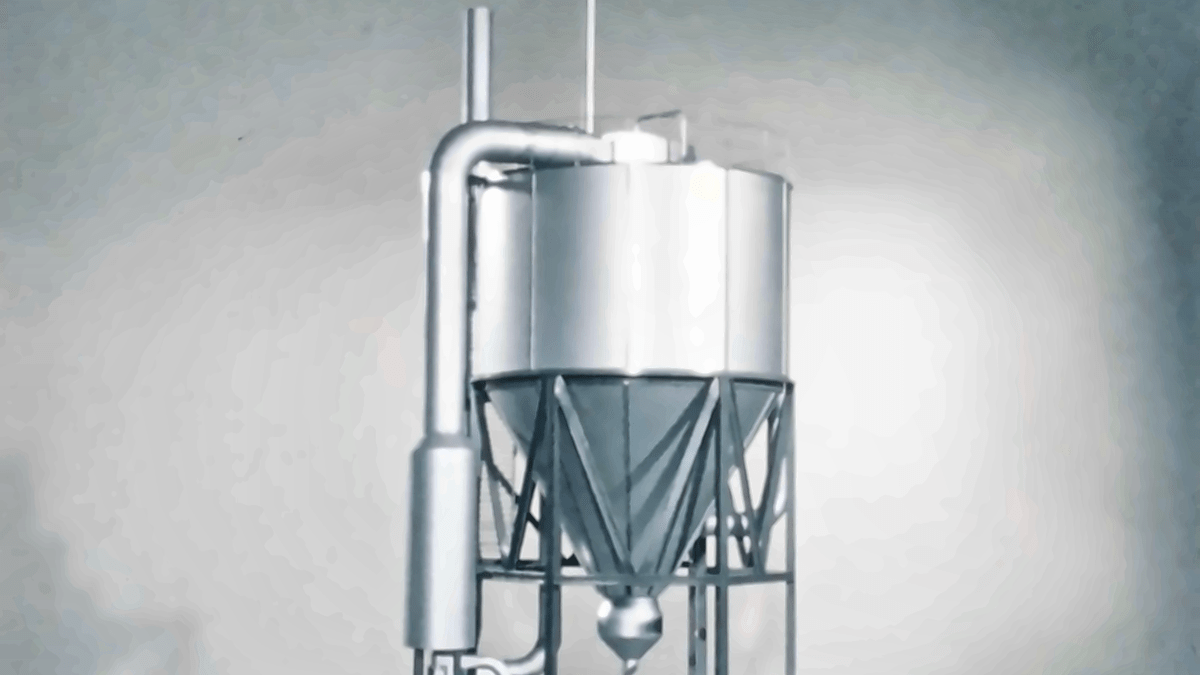
The breakthrough that changed spray drying
In 1976, NIRO engineers responded to a competitive challenge by rethinking what spray drying could do. Their idea became the multi-stage dryer MSD. Fifty years later, the same fundamental principle helps turn liquids into the powders used in essential nutrition products and important medicines around the world. Refined through decades of engineering expertise, customer insight and continuous development, MSD is a story of innovation with lasting impact.

Más allá de la máquina: cómo potenciar el rendimiento de la planta
El hecho de que una máquina sea eficiente no significa que la fábrica lo sea. La mejora real suele comenzar por ir más allá de los equipos individuales y comprender cómo los procesos, los sistemas energéticos y las decisiones operativas se influyen mutuamente. Se trata de un enfoque holístico diseñado para descubrir oportunidades que, de otro modo, podrían pasarse por alto.
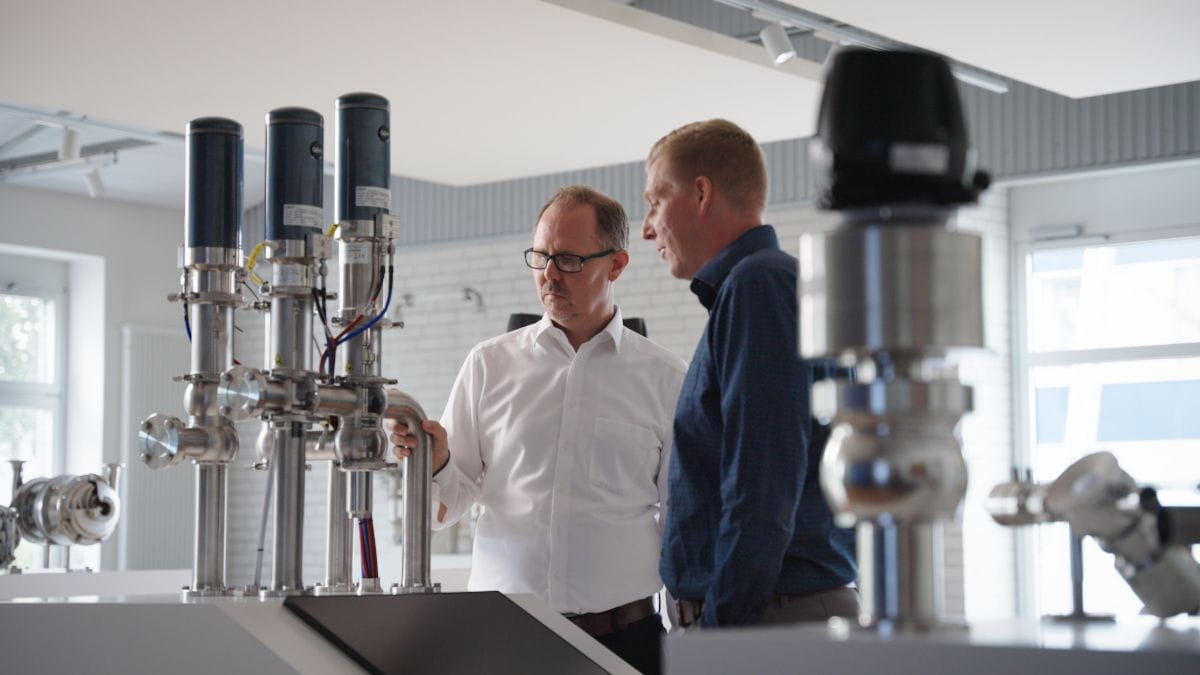
Cómo una válvula transforma la manera de elaborar alimentos y bebidas
En las plantas de alimentación y bebidas, las válvulas suelen accionarse mediante aire comprimido. GEA Hydract® Actuation Technology mueve las válvulas mediante agua, en un circuito cerrado controlado digitalmente. El resultado es una válvula que puede mantenerse en su sitio con exactitud y regularse con precisión. Esto se traduce en un menor consumo energético y un mayor control.
