

Ventajas de nuestras centrífugas
- Alta precisión de separación de aceite, sólidos y agua limpia
- Funcionamiento fiable a pesar de las fluctuaciones de materiales líquidos y sólidos
- Reducción del contenido de aceite residual al máximo de 15 ppm, cumpliendo con los estándares de la OMI
- Dispositivo de medición de aceite en agua, que controla los niveles de pureza de la fase acuosa
Cumplimiento de las normas de la OMI
En los diversos procesos de la industria de petróleo y gas, incluido el tratamiento del agua de desagüe, es crucial cumplir estrictamente la normativa medioambiental. Para cumplir las normas establecidas por la Organización Marítima Internacional (OMI), GEA ofrece separadores centrífugos especializados de alto rendimiento y autolimpiables, así como centrífugas decantadoras clarificadoras. El objetivo es reducir eficazmente el contenido de aceite a niveles inferiores a los límites legalmente especificados, a menudo fijados en 15 ppm o 5 ppm en algunas regiones.
El funcionamiento continuo y fiable, junto con características rentables como la reducción de costes de eliminación y el bajo consumo de energía, hacen que las soluciones de GEA sean adecuadas tanto para aplicaciones en alta mar como en tierra. El énfasis en el cumplimiento, la eficacia y la rentabilidad es un hilo conductor a la hora de abordar los retos que plantea el agua contaminada por petróleo en la industria de petróleo y gas.
Sistemas flexibles para condiciones flexibles
El agua de formación que se encuentra debajo de las capas de agua que contienen depósitos de petróleo crudo, el agua del lodo de perforación o de los procesos de limpieza, el agua de lluvia o el agua de mar derramada se pueden clasificar como agua de desagüe. Esto significa que puede variar no solo el contenido de agua y crudo sino también la cantidad de material sólido. Dependiendo de los requisitos y la configuración, suministramos sistemas con y sin centrífugas.
Separación efectiva de crudo y sólidos
La base de nuestras plantas de tratamiento es un separador autolimpiable que separa el agua residual recogida en materiales sólidos, una fase de crudo, y agua limpia, con el mayor nivel de precisión de separación, y que continúa funcionando con fiabilidad cuando varía la concentración de líquido y material sólido.
Además, es capaz de compensar las fluctuaciones normales en buques y plataformas, tiene un diseño que ahorra espacio y está disponible como modelo a prueba de explosión. Para compensar las condiciones de trabajo extremas, utilizamos materiales resistentes a la corrosión, como acero super duplex, que es uno de los motivos por el cual nuestras plantas son las más adecuadas para distintas instalaciones de la industria de petróleo y gas.
Componentes adicionales
Puede utilizarse una centrífuga contracorriente para purificar el agua que tenga un nivel particularmente alto de material sólido. Además de nuestras centrífugas, también equipamos nuestras plantas con precalentadores y bombas.
Gestión del agua de desagüe: Combinación de centrífugas decantadoras y separadoras para unos resultados óptimos
Productos y tecnologías
Mostrar 3 de 3

Bombas de chorro
Las bombas de chorro, también denominadas eyectores, son dispositivos para transportar, comprimir o mezclar los gases, vapores, líquidos o sólidos y para producir un vacío, cuya fuerza motriz proviene de un medio líquido o gaseoso.

Centrífuga decantadora
El decantador entra en acción en cuanto el contenido de sólidos en la suspensión que debe procesarse es especialmente alto. Estas máquinas ofrecen una alta eficiencia de aclarado y una máxima deshidratación, además de separar líquidos con la extracción simultánea de sólidos. Los principales requisitos, en este sentido, son una alta velocidad del ...

Separador centrífugo
Los separadores de GEA están diseñados para aplicaciones a base de líquidos. Utilizan fuerza centrífuga y se emplean para separar suspensiones que consisten de dos o más fases de distinta densidad; por ejemplo, pueden separar líquido-líquido, líquido-líquido-sólido o líquido-sólido. También son eficaces para separar mezclas líquidas a la vez que ...


Downloads
GEA Insights
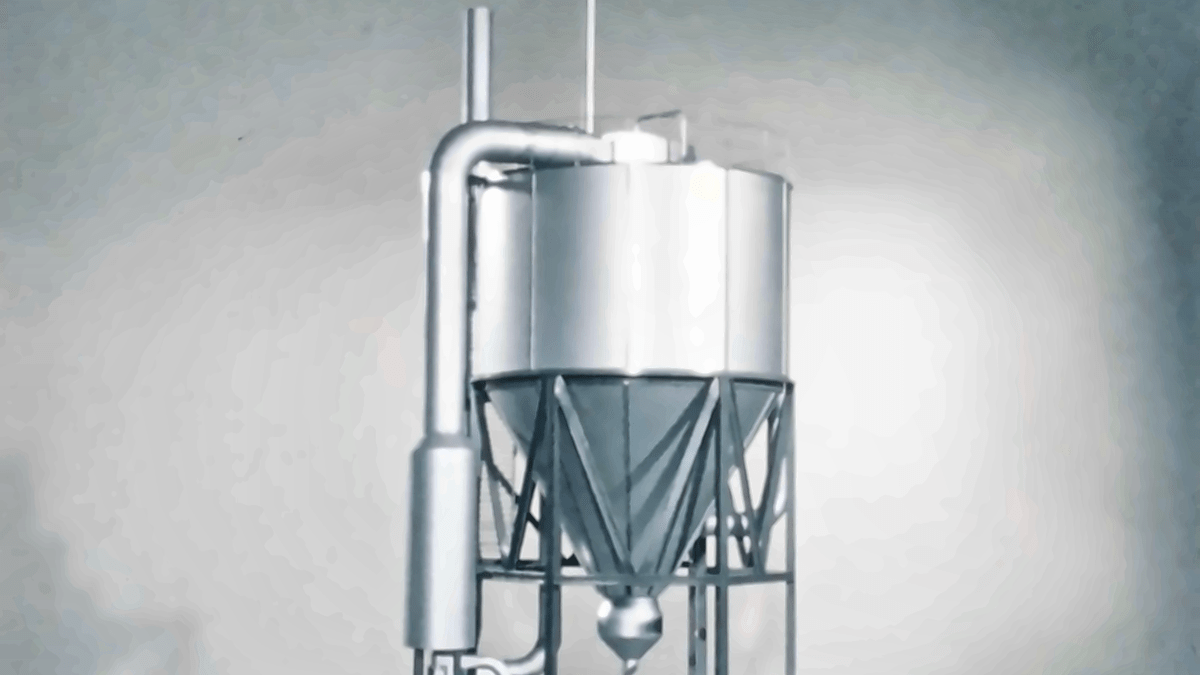
The breakthrough that changed spray drying
In 1976, NIRO engineers responded to a competitive challenge by rethinking what spray drying could do. Their idea became the multi-stage dryer MSD. Fifty years later, the same fundamental principle helps turn liquids into the powders used in essential nutrition products and important medicines around the world. Refined through decades of engineering expertise, customer insight and continuous development, MSD is a story of innovation with lasting impact.
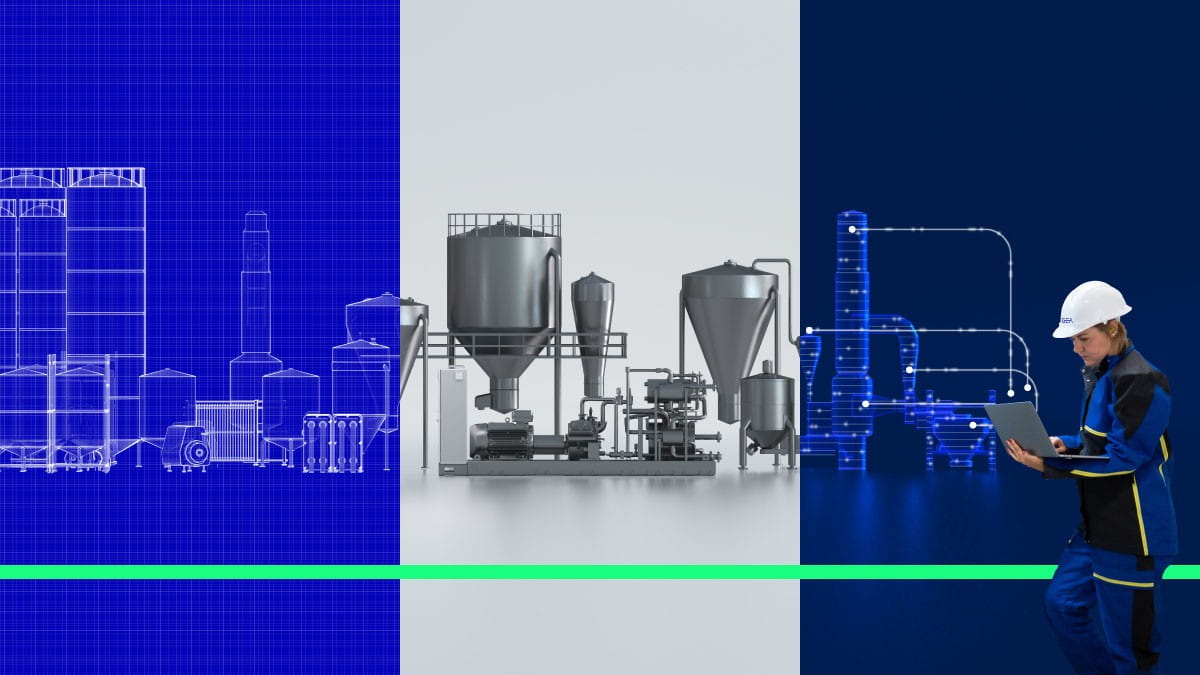
Más allá de la máquina: cómo potenciar el rendimiento de la planta
El hecho de que una máquina sea eficiente no significa que la fábrica lo sea. La mejora real suele comenzar por ir más allá de los equipos individuales y comprender cómo los procesos, los sistemas energéticos y las decisiones operativas se influyen mutuamente. Se trata de un enfoque holístico diseñado para descubrir oportunidades que, de otro modo, podrían pasarse por alto.
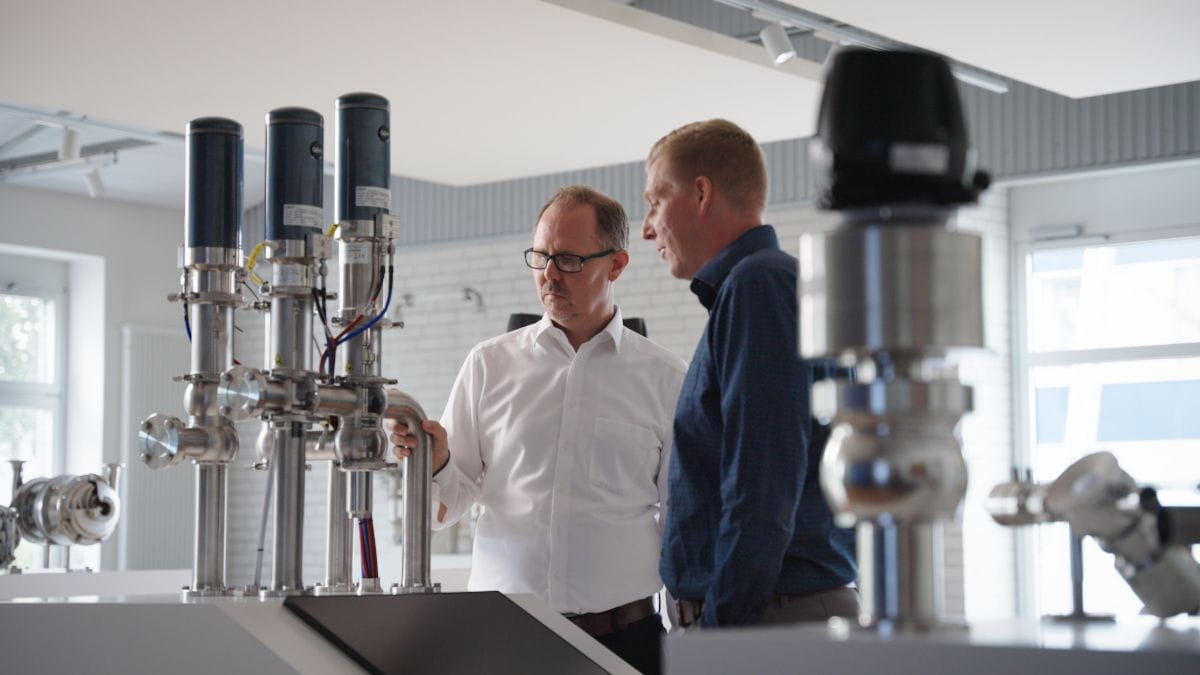
Cómo una válvula transforma la manera de elaborar alimentos y bebidas
En las plantas de alimentación y bebidas, las válvulas suelen accionarse mediante aire comprimido. GEA Hydract® Actuation Technology mueve las válvulas mediante agua, en un circuito cerrado controlado digitalmente. El resultado es una válvula que puede mantenerse en su sitio con exactitud y regularse con precisión. Esto se traduce en un menor consumo energético y un mayor control.
