

GEA direct injection UHT systems
GEA direct steam injection UHT plants are designed to deliver very low heat load to the product, when compared to indirect heating methods. This reduced heat load helps to prevent denaturation or degradation of proteins – for example, whey proteins in milk - vitamins and other product constituents, thereby better retaining nutritional value. Reduced heat impact also better preserves product color and flavor, resulting in a fresher taste.
Direct steam injection systems are combined with flash cooler technology, allowing for rapid heating through direct steam condensation in the product instead of indirect heating. Rapid heating and cooling further preserves the original fresh flavor of dairy products.
Steam is injected directly into the product, which is uniformly heated almost instantaneously to 140-150°C as the steam condenses and transfers its heat to the product - and is held at this temperature for just 2-4 seconds. After heating, the product is rapidly cooled by flashing in a vacuum chamber, which removes the condensed steam.
The difference between the direct injection and direct infusion steam UHT processes lies in how steam is introduced into the product, which can affect product quality, as well as equipment design. Both methods are effective for rapid UHT processing, so which of the two methods is selected will depend on product requirements.
Direct injection UHT
Features and Benefits
- Rapid heating: Steam is directly injected into the product, achieving ultra-fast heating that allows the product to reach sterilization temperatures almost instantaneously, reducing the likelihood of thermal damage to sensitive components such as vitamins, proteins, and flavor compounds.
- Short holding time:The product is held at the sterilization temperature for a very short period, usually a few seconds.
- Instant cooling: After the short duration of holding at high heat the product is rapidly cooled by flashing off the steam, reducing the temperature instantly.
- Reduced fouling: Rapid heating and cooling processes reduce the likelihood of product fouling on heat exchange surfaces, leading to more efficient operation.
- Flexibility: GEA direct steam injection technology can be configured to process a wide range of liquid products, including dairy milk, oat drinks, creams, juices, and other beverages.
- High throughput: GEA injection technology can be configured to process large volumes of product continuously (up to 40.000 l/h), making it suitable for high-demand production environments.
- Enhanced product quality: Short exposure to high temperatures helps to preserve.


Related Products

GEA UHT system direct infusion
GEA UHT Infusion uses rapid steam heating to reduce heat load compared to indirect methods, preserving proteins, nutrients, flavor, and color for a fresher, more nutritious product.

GEA UHT system indirect
GEA UHT Indirect ensures consistent, gentle heating for extended shelf life while maintaining product quality, stability, and energy-efficient performance.

GEA UHT system indirect product-to-product
GEA UHT systems with product-to-product exchangers use the product itself for heat transfer, boosting efficiency over traditional indirect heating methods.

GEA UHT system pilot
Our modular pilot UHT plant is highly flexible and designed for small-scale aseptic processing.
GEA Insights
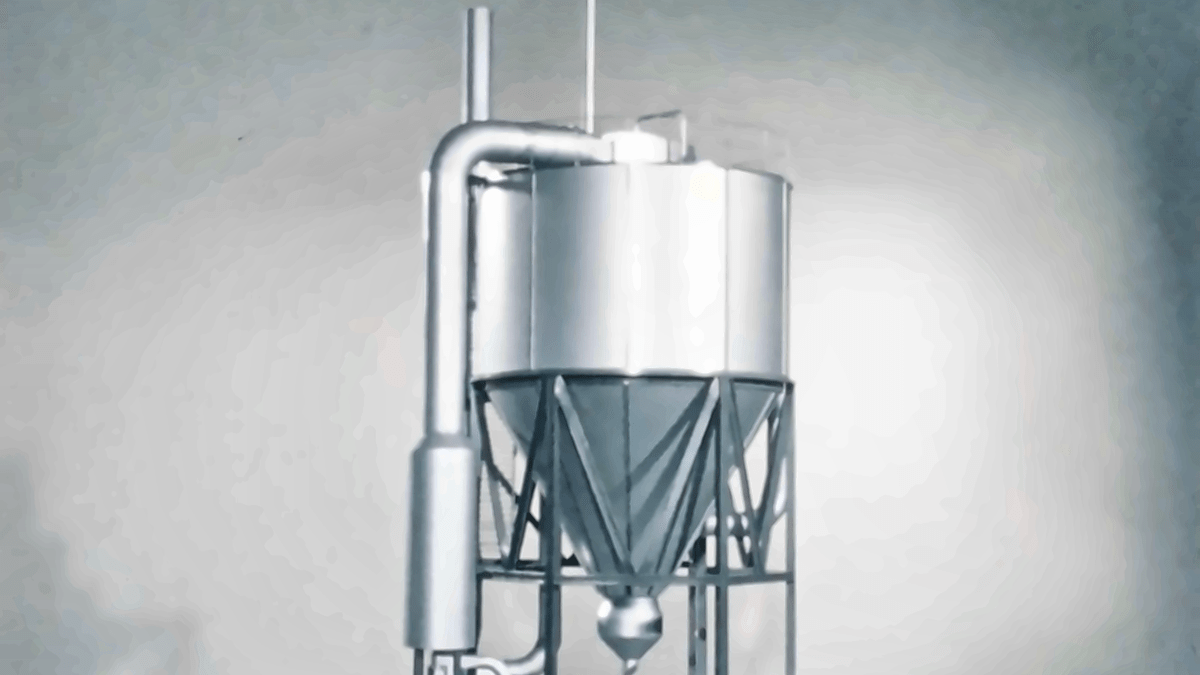
The breakthrough that changed spray drying
In 1976, NIRO engineers responded to a competitive challenge by rethinking what spray drying could do. Their idea became the multi-stage dryer MSD. Fifty years later, the same fundamental principle helps turn liquids into the powders used in essential nutrition products and important medicines around the world. Refined through decades of engineering expertise, customer insight and continuous development, MSD is a story of innovation with lasting impact.

Beyond the machine: unlocking better plant performance
An efficient machine does not automatically make an efficient factory. Real improvement often starts by looking beyond individual equipment and understanding how processes, energy systems and operating decisions affect one another. It’s a holistic approach designed to uncover opportunities that might otherwise be missed.

How a valve reshapes the way food and drinks are made
In food and beverage plants, valves are commonly operated using compressed air. GEA Hydract® Actuation Technology moves valves with water instead, in a closed, digitally controlled circuit. The result is a valve that can be held exactly in place and steered in fine-tuned steps. This results in lower energy use and greater control.
