

Thermal treatment for non-aseptic product applications
Beneficial for utility applications with the use of steam, compared to standard plate heat exchangers.
Tubular heat exchangers are much more robust and are not affected by wear and tear making them ideal for CIP or water heaters. The multitube-in-tube design makes them highly effective, ensuring efficient and reliable performance.

GEA VARITUBE® HS
-
Tubular heat exchangers designed for volume flow rates of up to 60 m³/h.
-
The inner tubes are arranged in a U-shaped (hairpin) configuration. This design accommodates thermal expansion within the heat exchanger assembly.

Max. available capacities - Saturated steam 3 barG

GEA VARITUBE® E
- Optimized to process high volume flow rates of up to 220 m³/h at average thermal capacity. High performance versions for use with heat pump water are also available.
- They are available in tube lengths of 2,000 mm or 3,000 mm and feature a hygienic design, allowing for direct product processing.
- The inner tubes are executed with a corrugated finish to boost the thermal efficiency. The tube bundle can be removed for inspection and is equipped with ‘leak detection’ device.

Max. available capacities - Saturated steam 3 barG
Included as standard for
GEA Varitube® HS & E
Downloads


GEA Insights
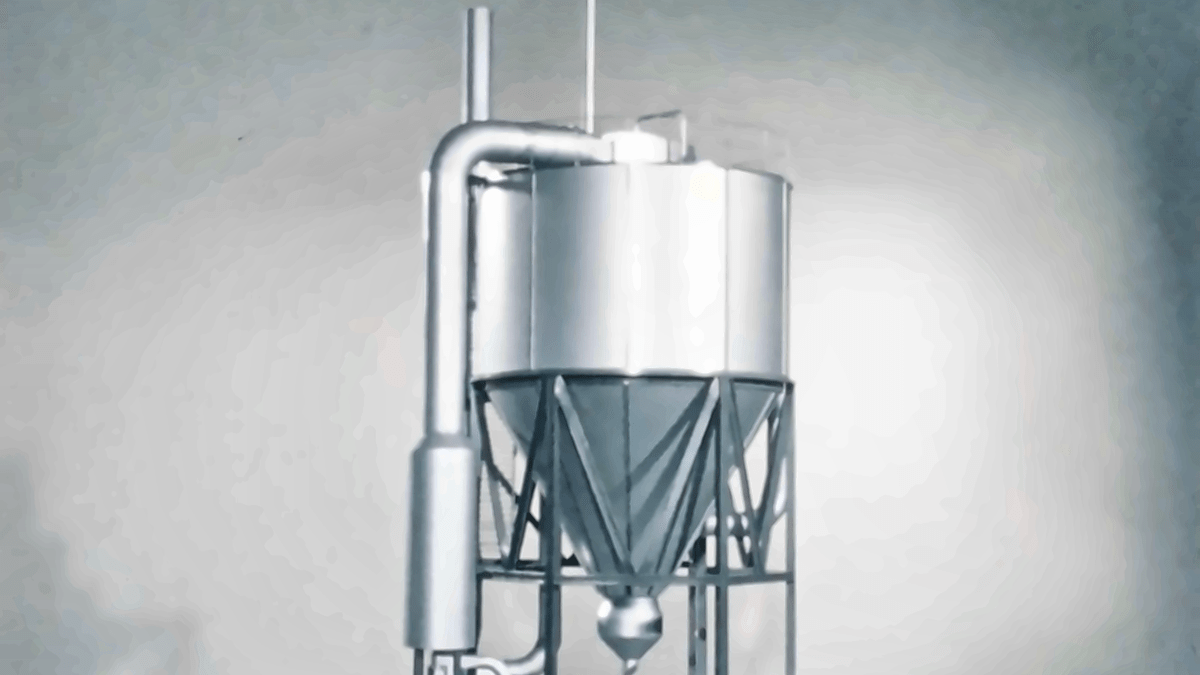
The breakthrough that changed spray drying
In 1976, NIRO engineers responded to a competitive challenge by rethinking what spray drying could do. Their idea became the multi-stage dryer MSD. Fifty years later, the same fundamental principle helps turn liquids into the powders used in essential nutrition products and important medicines around the world. Refined through decades of engineering expertise, customer insight and continuous development, MSD is a story of innovation with lasting impact.

Beyond the machine: unlocking better plant performance
An efficient machine does not automatically make an efficient factory. Real improvement often starts by looking beyond individual equipment and understanding how processes, energy systems and operating decisions affect one another. It’s a holistic approach designed to uncover opportunities that might otherwise be missed.

How a valve reshapes the way food and drinks are made
In food and beverage plants, valves are commonly operated using compressed air. GEA Hydract® Actuation Technology moves valves with water instead, in a closed, digitally controlled circuit. The result is a valve that can be held exactly in place and steered in fine-tuned steps. This results in lower energy use and greater control.
