

The DMC batch drainage and maturation systems from GEA completely automate this key process in the production of pasta filata cheeses. The reliable, robust DMC technology can produce curd for a variety of pasta filata cheese types, and handles the curd gently to ensure the highest quality for stretching and downstream processing.
The DMC batch systems are integrated with adjustable-speed rotating coagulation cylinders that produce the curd, and with conveyors to pass the matured curd directly to stretching machines.
Comprising an external and internal vat with integrated auger, the DMC systems allow whey to drain through a perforated metal sheet for recovery in the lower part of the external vat, from where it is sent to a recovery line. The curd can then be retained in the vat for a predetermined time to mature. During maturation the auger can be rotated both forwards and backwards to gently agitate the curd. At the end of maturation the auger moves the curd towards the rotary disc curd cutter, for cutting and passing on to the stretching machines.
Features and options:
Features and options of the DMC systems include:
- 600 mm auger capable of continuous and intermittent running
- electronically controlled auger speed with inverter and sensor
- auger support with mechanical gaskets
- rotary disk curd cutter
Continuous system
GEA also offers a continuous drainage and maturation system that is ideal for the production of large quantities of a single type of curd. The continuous system comprises a curd maturation and transport tunnel with drainage baskets, the allow curd maturation both in and out of whey is possible. A centrifugal pump sends drained whey to the recovery line using a centrifugal pump.
After maturation the curd is tipped out of the baskets to the lower part of the tunnel, where the 500 mm rotary auger transports it to the guillotine curd cutter unit to be cut into predetermined sizes, before transportation along a conveyor system to the stretching machines.
Teflon-coated augers can be supplied for both the batch and continuous curd drainage and maturation systems. Precise control of the auger movement, curd transit and retention time guarantees optimum maturation and curd attributes.
All GEA drainage and maturation systems are constructed using AISI 304 stainless steel and can be supplied with automated cleaning-in-place to comply with the most stringent sanitization regime and hygiene regulations. Automated cleaning reduces the need for manual cleaning, water usage and minimizes stoppage time.
PLC control optimizes automation and working parameters to further reduce manual intervention. The continuous and DMC batch technologies allow for the precise control of curd temperature. Double-walled jackets for hot water heating can be built along the complete length, and a piping system is also installed for product heating or cooling using sprinklers.
GEA builds the highest standards of safety into all of its systems. The curd maturation and drainage technologies feature mechanical barriers or proximity switches to protect danger zones, and safety switches ensure that no operation can be continued if the requisite protection features have not been engaged.
GEA can configure batch and continuous curd drainage and maturation systems to fit in with plant layout, footprint and utilities supply.
Downloads
GEA Insights
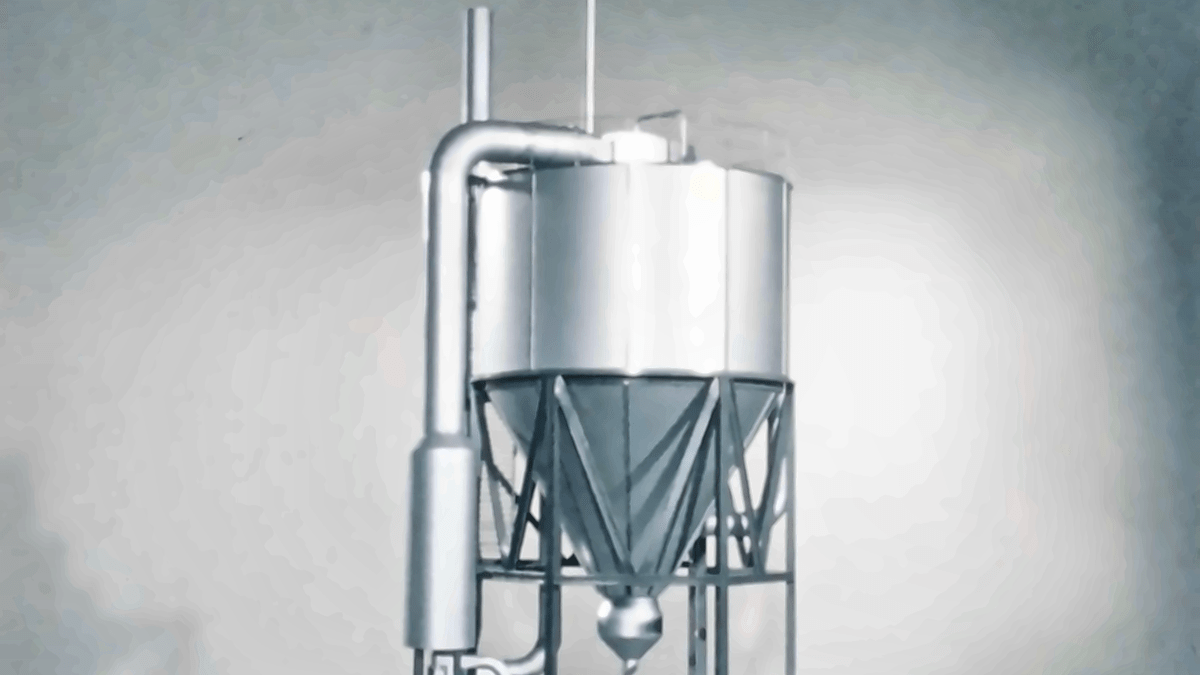
The breakthrough that changed spray drying
In 1976, NIRO engineers responded to a competitive challenge by rethinking what spray drying could do. Their idea became the multi-stage dryer MSD. Fifty years later, the same fundamental principle helps turn liquids into the powders used in essential nutrition products and important medicines around the world. Refined through decades of engineering expertise, customer insight and continuous development, MSD is a story of innovation with lasting impact.

Beyond the machine: unlocking better plant performance
An efficient machine does not automatically make an efficient factory. Real improvement often starts by looking beyond individual equipment and understanding how processes, energy systems and operating decisions affect one another. It’s a holistic approach designed to uncover opportunities that might otherwise be missed.
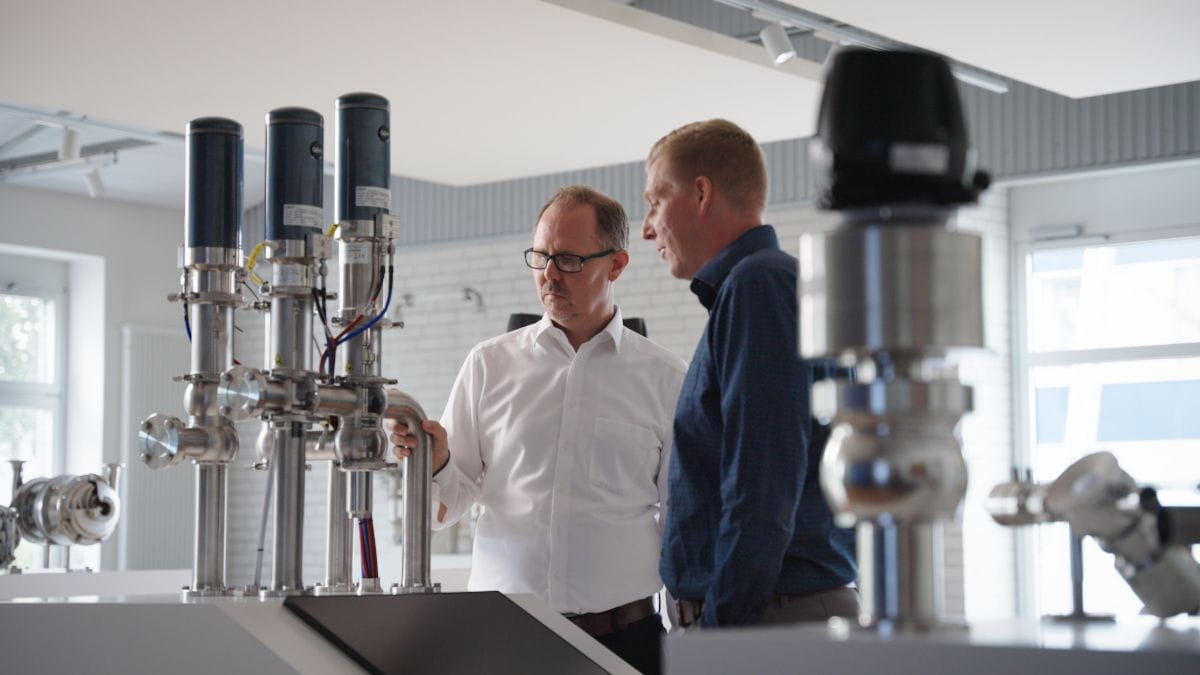
How a valve reshapes the way food and drinks are made
In food and beverage plants, valves are commonly operated using compressed air. GEA Hydract® Actuation Technology moves valves with water instead, in a closed, digitally controlled circuit. The result is a valve that can be held exactly in place and steered in fine-tuned steps. This results in lower energy use and greater control.
