

Combining efficiency with resource savings
Imagine adding value to your utilities savings and contributing to a more sustainable world. Only by choosing a GEA homogenizer.
GEA PureFlow is engineered to operate independently of the homogenizer, so that its maintenance does not affect machine operation and performance, allowing customers to save time and costs. The lifetime, quality and safety of the oil are all significantly improved by using the PureFlow.
How it works
The PureFlow receives the oil from the homogenizer’s lubricating unit tank. The oil is first forced into a strainer pre-filter, then pushed into the main filter, where long-staple cotton fibers capture particles as small as 1 micron. The PureFlow then applies a flash evaporation process to dehydrate the oil and remove chemical contaminants. Finally, the purified oil flows back inside the homogenizer.
Key benefits
- Continuous oil regeneration
- Up to 5-times longer oil lifetime*
- Up to 80% less oil consumption*
- No contamination or condensation
- Improved oil quality and operational safety
- Purifies even severely contaminated oil
Resource-efficient configuration for homogenizers
GEA PureFlow is part of the resource-efficient configuration for homogenizers. Learn more >>
*When compared to homogenizers without PureFlow.
Downloads
Related Products

Homogenizers Ariete® Series
The Ariete® machines are the state-of-the-art technology for powerful reliable high-pressure homogenizers and customized solutions.

AirFlow Water-Saving Unit for Oil Cooling
GEA AirFlow is the water-saving device for homogenizers that cools the oil in the transmission body and gearbox using air instead of traditional water‑based methods.

ReFlow Water-Saving Unit for Plungers
GEA ReFlow recirculates up to 95% of the plant process water used by high-pressure homogenizers to cool and lubricate plungers, thus making the operation of GEA Homogenizers more resource-efficient.
GEA Insights
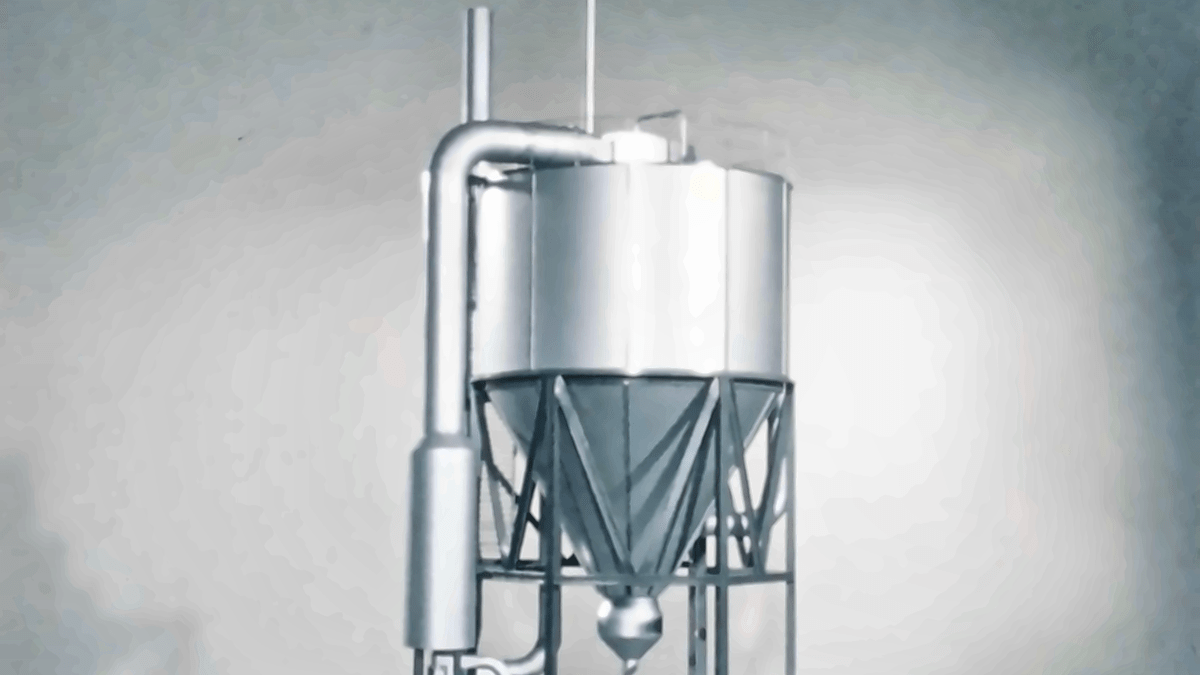
The breakthrough that changed spray drying
In 1976, NIRO engineers responded to a competitive challenge by rethinking what spray drying could do. Their idea became the multi-stage dryer MSD. Fifty years later, the same fundamental principle helps turn liquids into the powders used in essential nutrition products and important medicines around the world. Refined through decades of engineering expertise, customer insight and continuous development, MSD is a story of innovation with lasting impact.
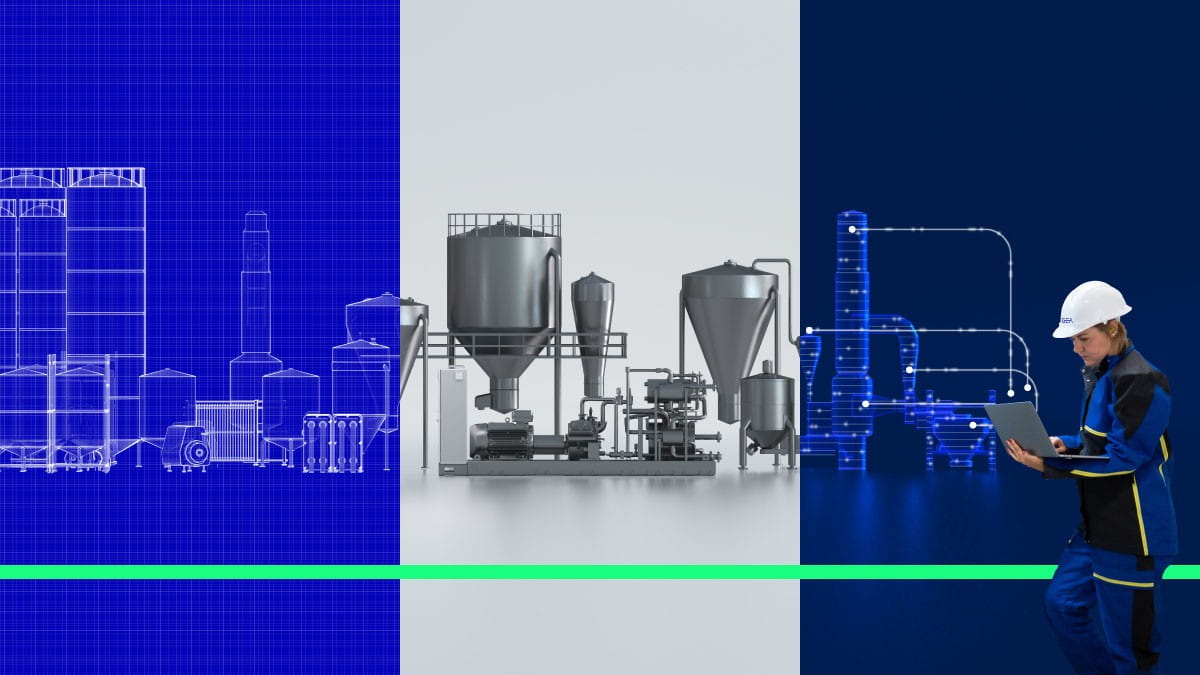
Beyond the machine: unlocking better plant performance
An efficient machine does not automatically make an efficient factory. Real improvement often starts by looking beyond individual equipment and understanding how processes, energy systems and operating decisions affect one another. It’s a holistic approach designed to uncover opportunities that might otherwise be missed.
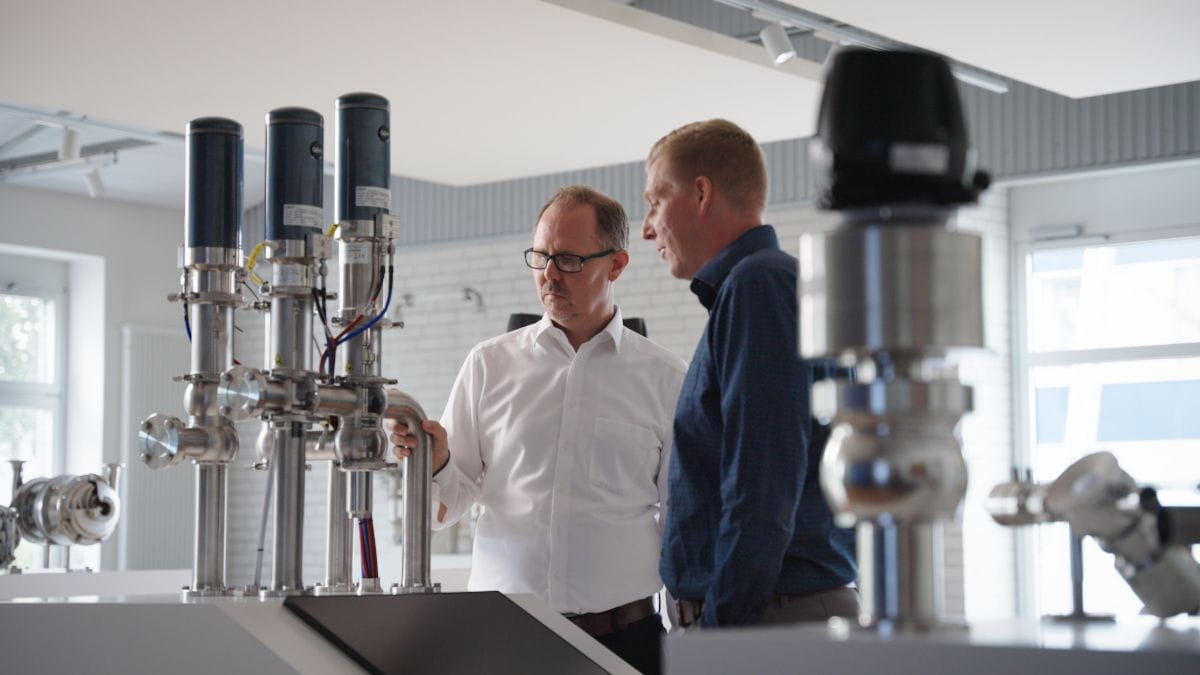
How a valve reshapes the way food and drinks are made
In food and beverage plants, valves are commonly operated using compressed air. GEA Hydract® Actuation Technology moves valves with water instead, in a closed, digitally controlled circuit. The result is a valve that can be held exactly in place and steered in fine-tuned steps. This results in lower energy use and greater control.
