


Excellent safety, excellent dosing accuracy
The Fillstar LXi filler provides excellent safety and hygiene standards for both still and carbonated liquids.
The products are filled with contact between the filling valve and the bottle. The product inside the toroidal tank is pushed to the filling valves by an overpressure of inert gas. The Fillstar LXi filler also uses a magnetic flow meter to accurately control the dosing phase to meet each product’s requirements. Even difficult, foaming products - such as CSD - can be filled at ambient temperature with no loss of speed. This reduces the need for chilling so saves power consumption and costs. When filling still products the air return uses a dedicated separate channel.
Bottles are handled using the NeckFlex system that suspends bottles during the process and provides very quick changeover for any container with the same neck design.
Improved hygiene
The Fillstar LXi fillers have an automatic foaming system and a HEPA filter overpressure (available as an option) to maintain a high hygiene standard. All parts in contact with the product are made from Aisi 304 stainless steel. Separate glass guards ensure maximum accessibility for the operators. The machine has an open design, with no basement so is easy to access and maintain and does not allow the accumulation of stagnant product.
Dummy bottle insertion and extraction for closed-loop CIP are completely automatic.
Downloads

Service Products

GEA eShop Filling
Discover GEA eShop Filling, a user-friendly interface to order filing spare parts online 24/7.

GEA AseptiCheck®
Protect the operation of your aseptic beverage plant and safeguard the final quality of your product by safely controlling the risks regarding every process parameter of an aseptic filling system.
GEA Insights
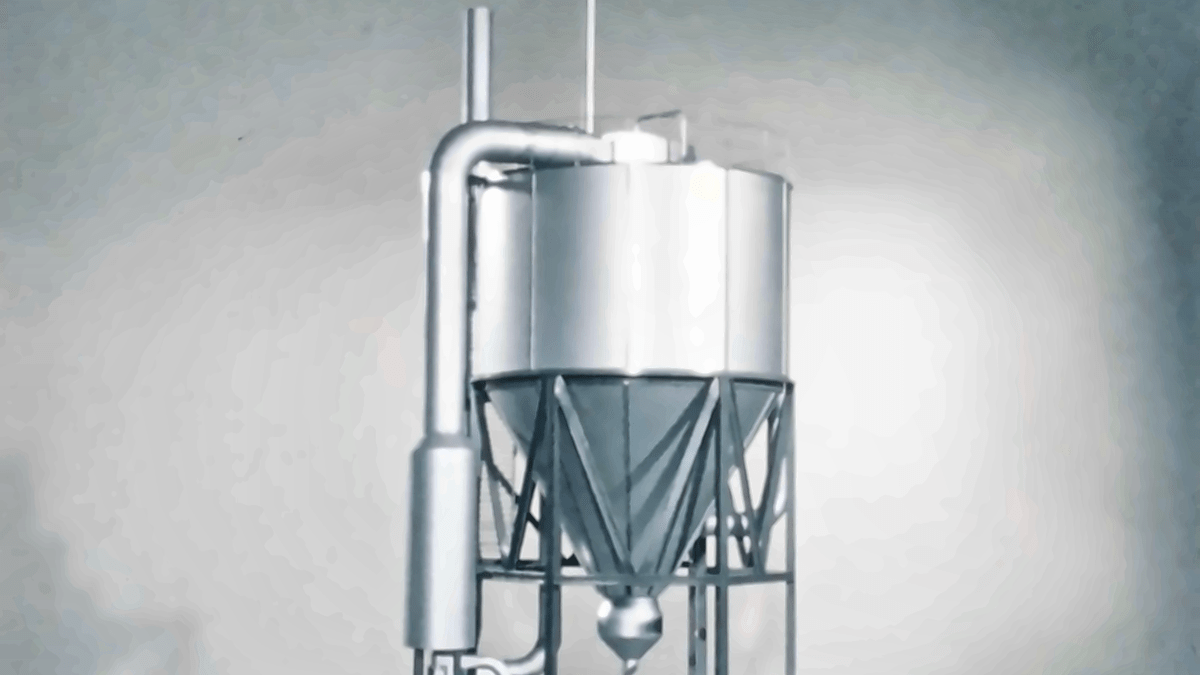
The breakthrough that changed spray drying
In 1976, NIRO engineers responded to a competitive challenge by rethinking what spray drying could do. Their idea became the multi-stage dryer MSD. Fifty years later, the same fundamental principle helps turn liquids into the powders used in essential nutrition products and important medicines around the world. Refined through decades of engineering expertise, customer insight and continuous development, MSD is a story of innovation with lasting impact.
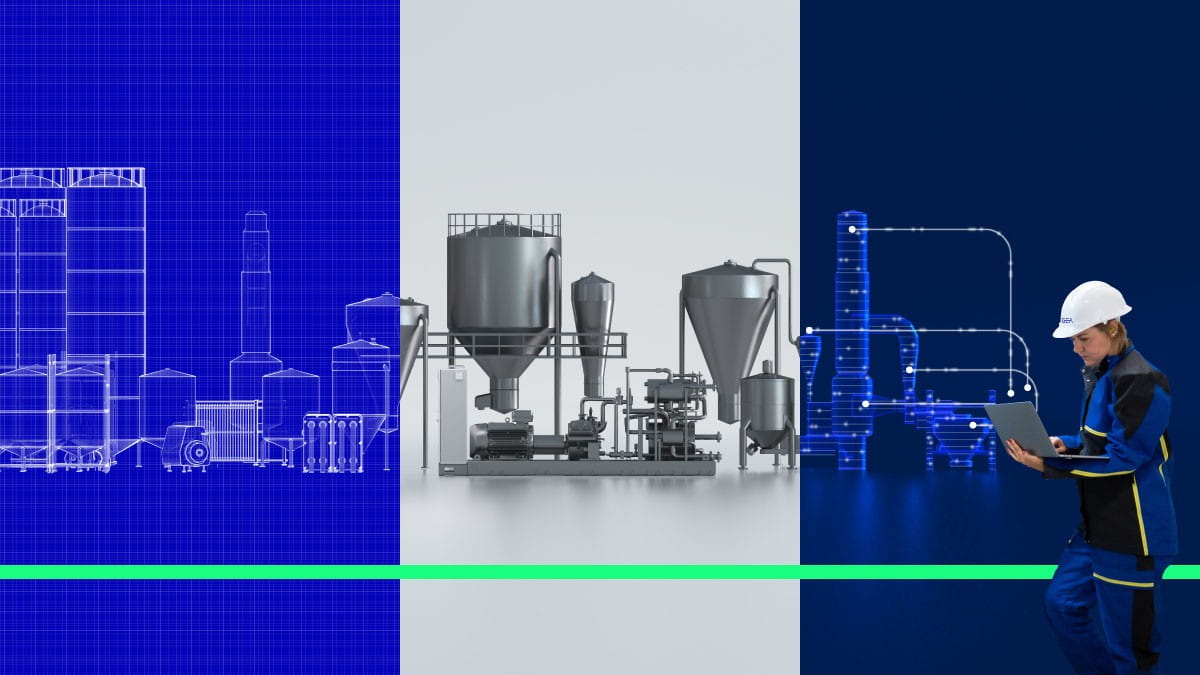
Beyond the machine: unlocking better plant performance
An efficient machine does not automatically make an efficient factory. Real improvement often starts by looking beyond individual equipment and understanding how processes, energy systems and operating decisions affect one another. It’s a holistic approach designed to uncover opportunities that might otherwise be missed.
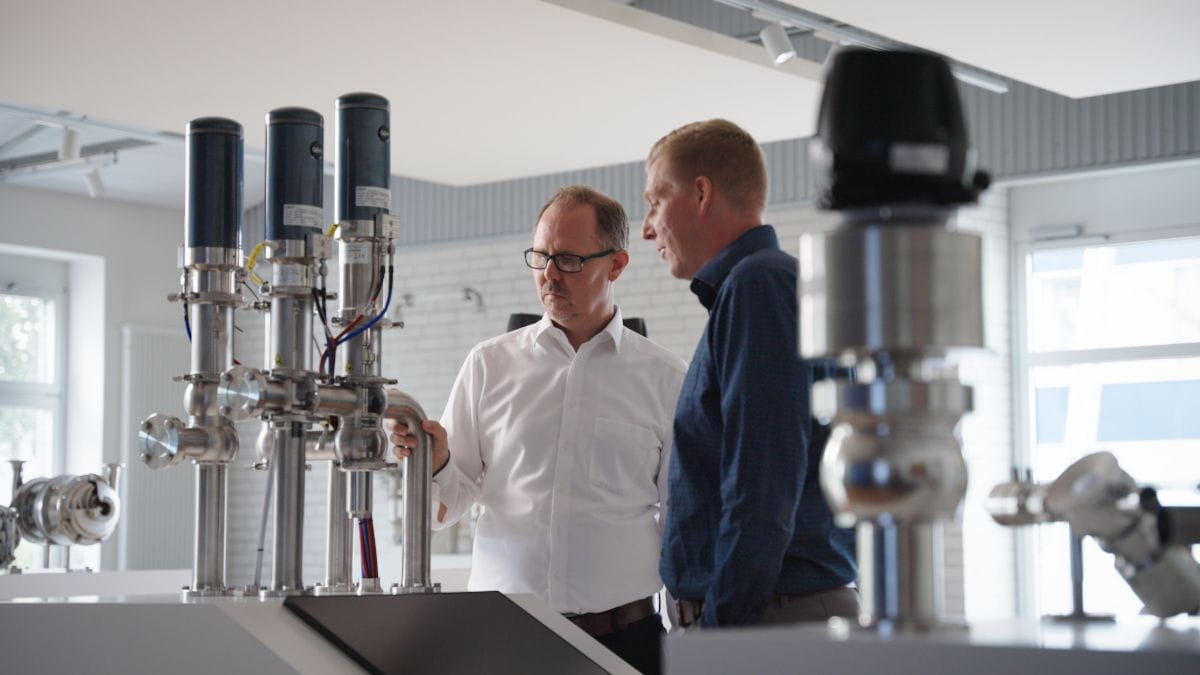
How a valve reshapes the way food and drinks are made
In food and beverage plants, valves are commonly operated using compressed air. GEA Hydract® Actuation Technology moves valves with water instead, in a closed, digitally controlled circuit. The result is a valve that can be held exactly in place and steered in fine-tuned steps. This results in lower energy use and greater control.
