

Energy-efficient evaporation for phosphate production
Phosphoric acid concentration is an energy-intensive step in phosphate and fertilizer production. ATMOS helps producers reduce steam consumption, lower cooling water demand and cut CO2 emissions by recovering energy from process vapors that would otherwise be lost.
Many existing phosphoric acid concentration units still operate as conventional single-effect evaporators. These systems can create several operational and environmental challenges:
- High steam consumption
- Excessive cooling water demand
- Contamination risks in cooling water circuits caused by fluorine and silica
- Limited opportunities for energy recovery
- Increasing compliance pressure due to environmental regulations and decarbonization targets
ATMOS addresses these challenges with a patented, energy-integrated evaporation concept that combines double-effect evaporation, vapor purification and fluorine capture in one practical solution.
What is ATMOS?
ATMOS is a patented evaporation technology developed by GEA in partnership with Yara International for energy-efficient phosphoric acid concentration. The technology is designed to help phosphate producers improve steam economy, reduce utility costs and modernize existing evaporation systems with minimal plant modifications.
The concept converts conventional single-effect evaporation systems into highly efficient double-effect evaporation units. This makes ATMOS suitable for:
- Existing plant revamps
- Capacity and efficiency upgrades
- New phosphoric acid concentration plants
- Decarbonization initiatives
- Energy optimization programs
With ATMOS, phosphate producers can improve the sustainability and competitiveness of phosphoric acid concentration without replacing existing evaporation assets.
Key benefits of ATMOS
- Up to 46% lower steam consumption
By recovering and reusing process vapors, ATMOS significantly reduces the amount of live steam required for concentration.
- 40% reduction in cooling water demand
Lower cooling requirements reduce operating costs and improve overall plant sustainability.
- Significant CO2 reduction potential
Improved steam efficiency directly lowers fuel consumption and associated emissions, supporting corporate decarbonization strategies.
- Enhanced resource efficiency
By recovering energy already available in the process, ATMOS helps maximize output from existing infrastructure while reducing utility demand.

ATMOS
1
Atmospheric Evaporator (1st Effect)
2
Vapor Scrubbing System
3
Vacuum Evaporator (2nd Effect)
5
Fluorosilicic Acid Recovery System
How does ATMOS work?
ATMOS is designed for merchant-grade phosphoric acid concentration and can support both revamp projects and new installations. ATMOS uses an integrated wash column to purify fluorine- and silica-containing vapors so they can be reused as a heating medium in a second evaporation effect.
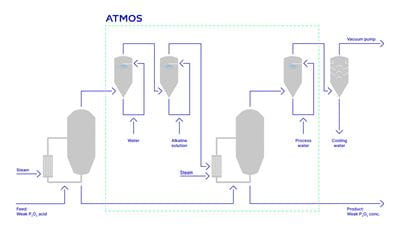
ATMOS flow scheme
Why choose ATMOS?
ATMOS gives phosphate producers a proven route to recover energy previously lost during phosphoric acid concentration and reduce the utility demand of existing or new evaporation systems.
- Up to 46% lower steam consumption
- 40% lower cooling water demand
- Improved sustainability and emissions reduction
- Minimal modifications to existing concentration lines
- Proven solution developed with Yara International
- Full GEA support from feasibility study to commissioning
- Pilot plant available for testing and validation.

Add Better Certified
A better future doesn't come with a price tag, but it does come with a label.
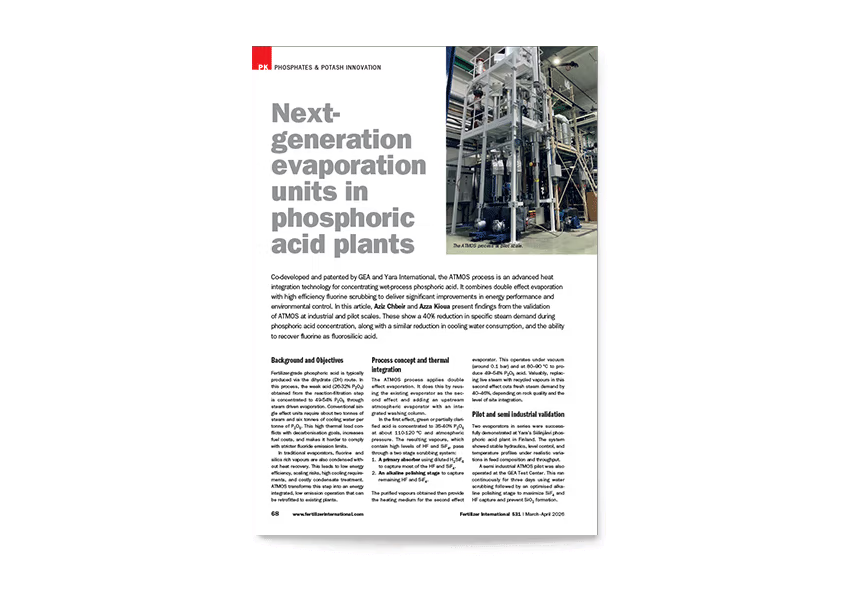
Get the ATMOS article
Improve energy performance and environmental control with ATMOS - the advanced heat integration technology for concentrating wet-process phosphoric acid.
Downloads
Related Products


GEA Insights
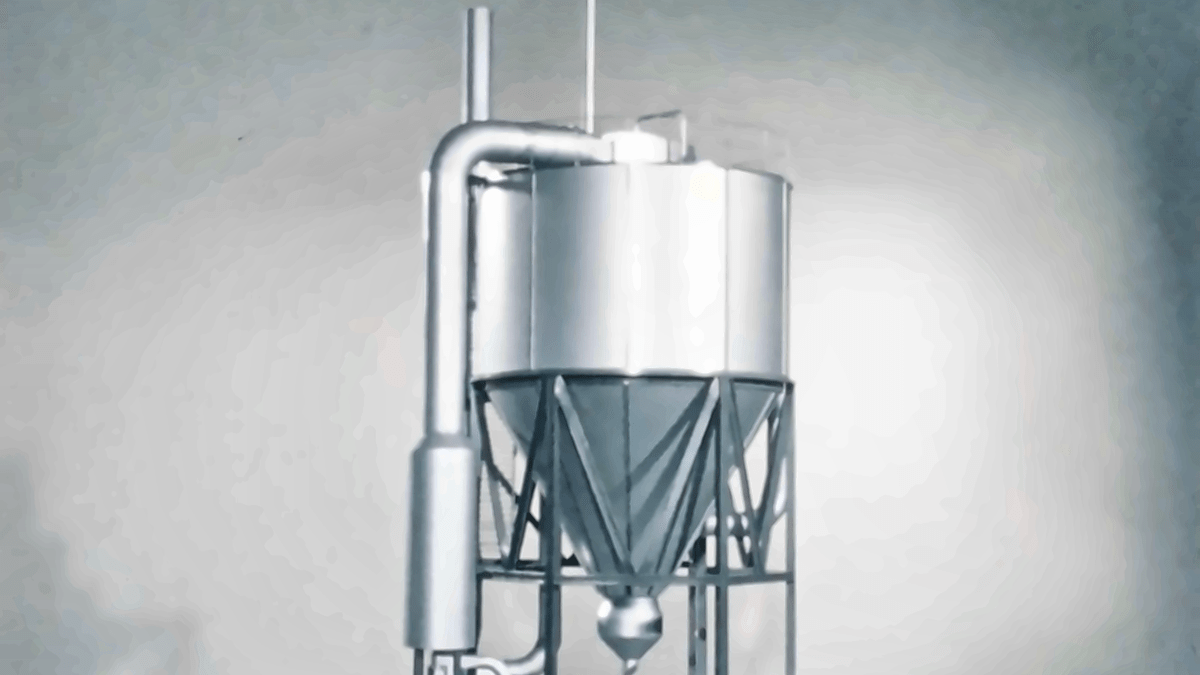
The breakthrough that changed spray drying
In 1976, NIRO engineers responded to a competitive challenge by rethinking what spray drying could do. Their idea became the multi-stage dryer MSD. Fifty years later, the same fundamental principle helps turn liquids into the powders used in essential nutrition products and important medicines around the world. Refined through decades of engineering expertise, customer insight and continuous development, MSD is a story of innovation with lasting impact.
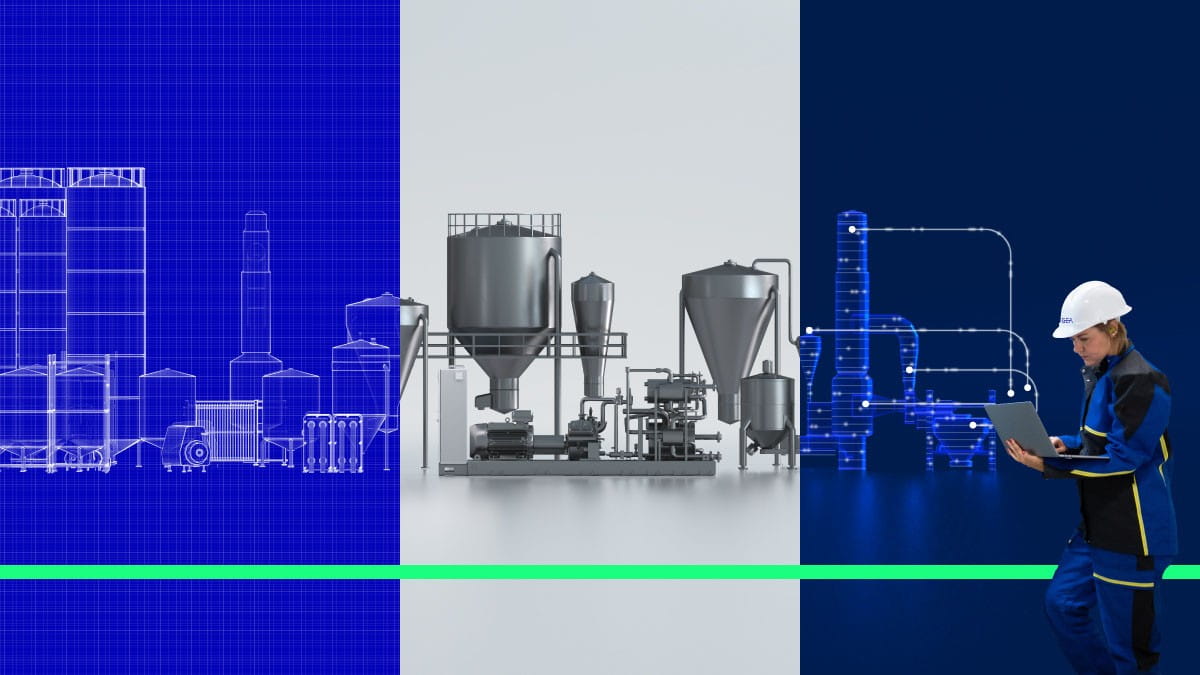
Beyond the machine: unlocking better plant performance
An efficient machine does not automatically make an efficient factory. Real improvement often starts by looking beyond individual equipment and understanding how processes, energy systems and operating decisions affect one another. It’s a holistic approach designed to uncover opportunities that might otherwise be missed.
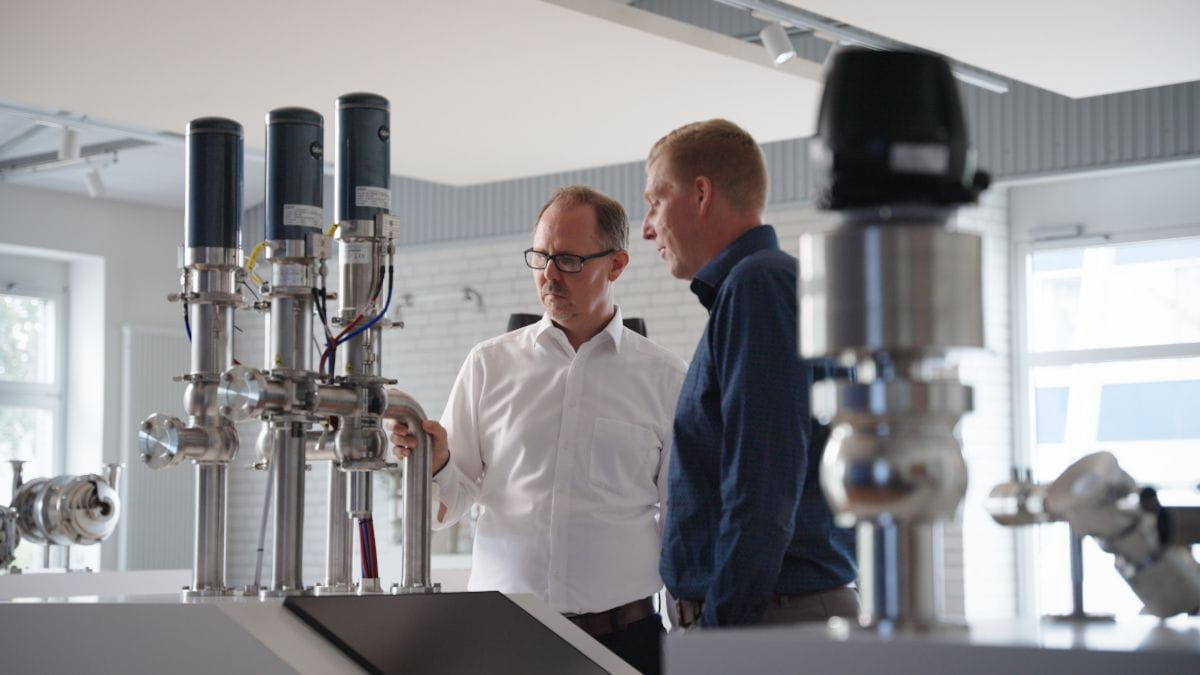
How a valve reshapes the way food and drinks are made
In food and beverage plants, valves are commonly operated using compressed air. GEA Hydract® Actuation Technology moves valves with water instead, in a closed, digitally controlled circuit. The result is a valve that can be held exactly in place and steered in fine-tuned steps. This results in lower energy use and greater control.
