
Distillation for a large range of spirits and liquors
Neutral alcohol forms the basis for almost all spirits and liquors. The primary requirement is for the final product to have a taste and smell that is as neutral as possible. To achieve this the distillation process must remove unwanted fractions. Unwanted components may be the result of differences in raw materials. GEA’s extensive experience in the processing of different feedstocks and the effects that these can have on the final product, means that we can provide systems that will guarantee your product quality.
Our energy-efficient, multi-column distillation systems can be designed and implemented with a high degree of automation, if appropriate. You can be sure that our plants will efficiently and reproducibly separate unwanted components/fractions, with a minimum loss of product. And because no two projects are the same, our experts will work with each client to customize an optimized plant that will satisfy the requirements for product, production scale and situation, and meet all international quality standards.
Products & Technologies
Showing 4 of 16

Aseptic valves & components
Aseptic valves face exceptionally high demands within UltraClean and Aseptic processes. You can be assured that they all provide highest quality in terms of hygienic design and sustainability.

Cold Block Processing
GEA offers a complete portfolio of technologies for the cold process area in your brewery.

Control Top T.VIS® A-15
Equipped with a high-precision path measuring system, the T.VIS® A-15 offers automatic open/close position recognition on any valve, which can be equipped with a T.VIS® control top.

Distillation Test Facilities at Karlsruhe R&D Center
Our distillation test center offers a comprehensive range of equipment, expertise and support for designing, testing and optimizing distillation, rectification and solvent recovery processes across the chemical, pharmaceutical, environmental, food and bio-based industries. Whether you are developing a new process, improving an existing operation ...
Other applications


Downloads
GEA Insights
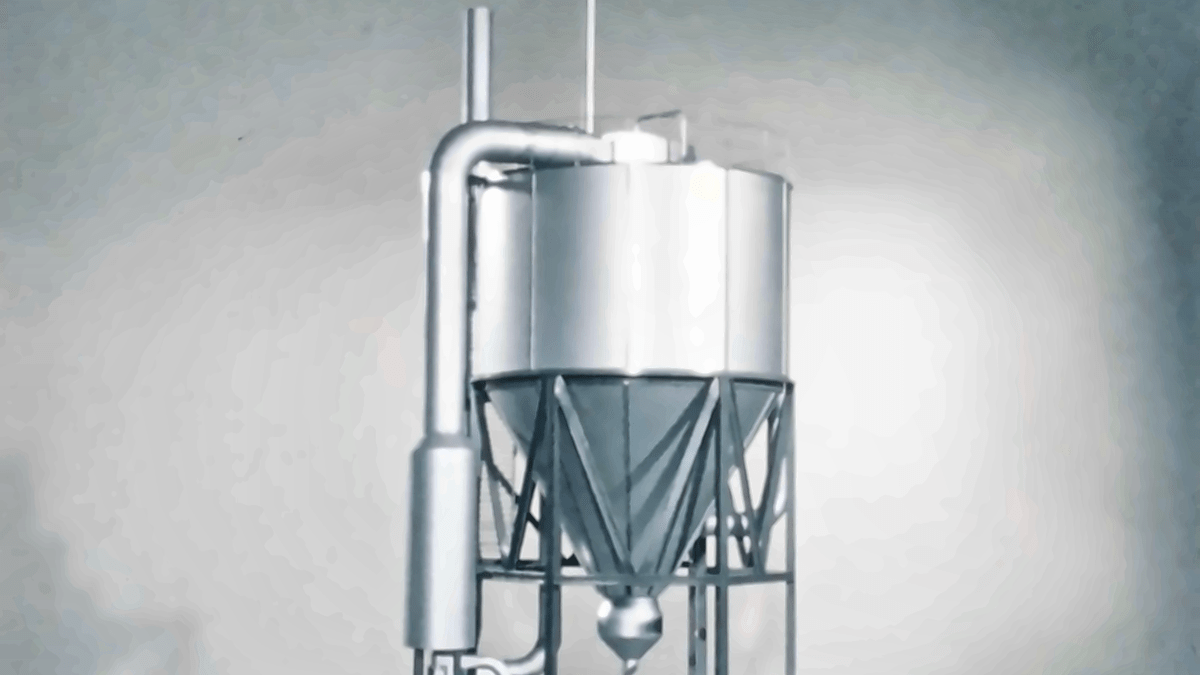
The breakthrough that changed spray drying
In 1976, NIRO engineers responded to a competitive challenge by rethinking what spray drying could do. Their idea became the multi-stage dryer MSD. Fifty years later, the same fundamental principle helps turn liquids into the powders used in essential nutrition products and important medicines around the world. Refined through decades of engineering expertise, customer insight and continuous development, MSD is a story of innovation with lasting impact.

Beyond the machine: unlocking better plant performance
An efficient machine does not automatically make an efficient factory. Real improvement often starts by looking beyond individual equipment and understanding how processes, energy systems and operating decisions affect one another. It’s a holistic approach designed to uncover opportunities that might otherwise be missed.
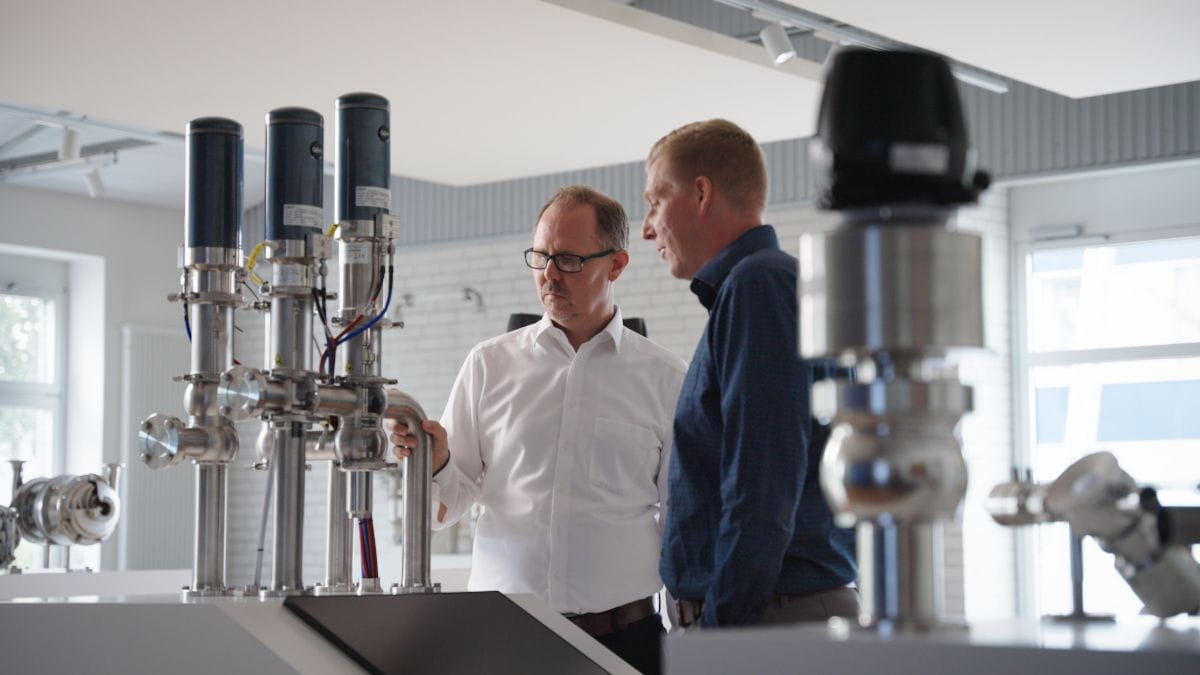
How a valve reshapes the way food and drinks are made
In food and beverage plants, valves are commonly operated using compressed air. GEA Hydract® Actuation Technology moves valves with water instead, in a closed, digitally controlled circuit. The result is a valve that can be held exactly in place and steered in fine-tuned steps. This results in lower energy use and greater control.
