

Extruded products can cover most of our meals throughout the day, satisfying all needs in terms of shape, color and nutrients. GEA’s technology allows to produce every kind of extruded product according to market trends and customer needs.


Cutting-edge snack and breakfast technology solutions from GEA
GEA offers a comprehensive range of machinery tailored for the production of breakfast cereals, snacks pellets, and direct expanded snacks, catering to a wide spectrum of consumer preferences and customers needs. From staple breakfast options like corn flakes and choco balls to popular snacks such as potato chips and 3D chips, GEA's advanced technology ensures precise shaping and consistent quality.
With snack pellet technology enabling the use of various raw materials, including cereal flours, root starches, and precooked ingredients like potato flakes, GEA empowers manufacturers to create innovative formulations with unique characteristics such as high fiber content or multigrain compositions.

Flexible extrusion technologies for diverse culinary habits
The diversity of culinary habits around the world requires snack technologies to be highly flexible and capable of adapting to various organoleptic characteristics. Thanks to the flexibility of its range of extruders, GEA extrusion technologies can be used to process both raw materials that require pre-cooking (such as potato-based products) and those that require cooking.
The processing of the former occurs through cold extrusion, while the latter, after being processed in the first step with a cooking extrusion, then move on to the forming phase, where specific dies and inserts resistant to high temperatures give the desired shape to the hot dough before drying.


Discover the capabilities of GEA’s R&D department with Cinderella’s Slipper
Downloads
Products & technologies
Showing 4 of 7

Dies & Moulds
GEA's Dies and Moulds Department studies and develops systems that cover all the shaping process phases in pasta and snack processing lines, including shaping, cutting, cleaning and maintenance of the dies. GEA provides equipment such as extrusion moulds, cutting systems and die washing machines.

GEA xTru Cooker
The single-screw cooking-extruder that can transform any raw materials into high added value products.

GEA xTru Former
The single-screw cooking-extruder that can transform any raw materials into high added value products.

GEA xTru Twin
The twin-screw cooking-extruder with higher cooking capacity and versatility, featuring enhanced process capabilities.
GEA Insights
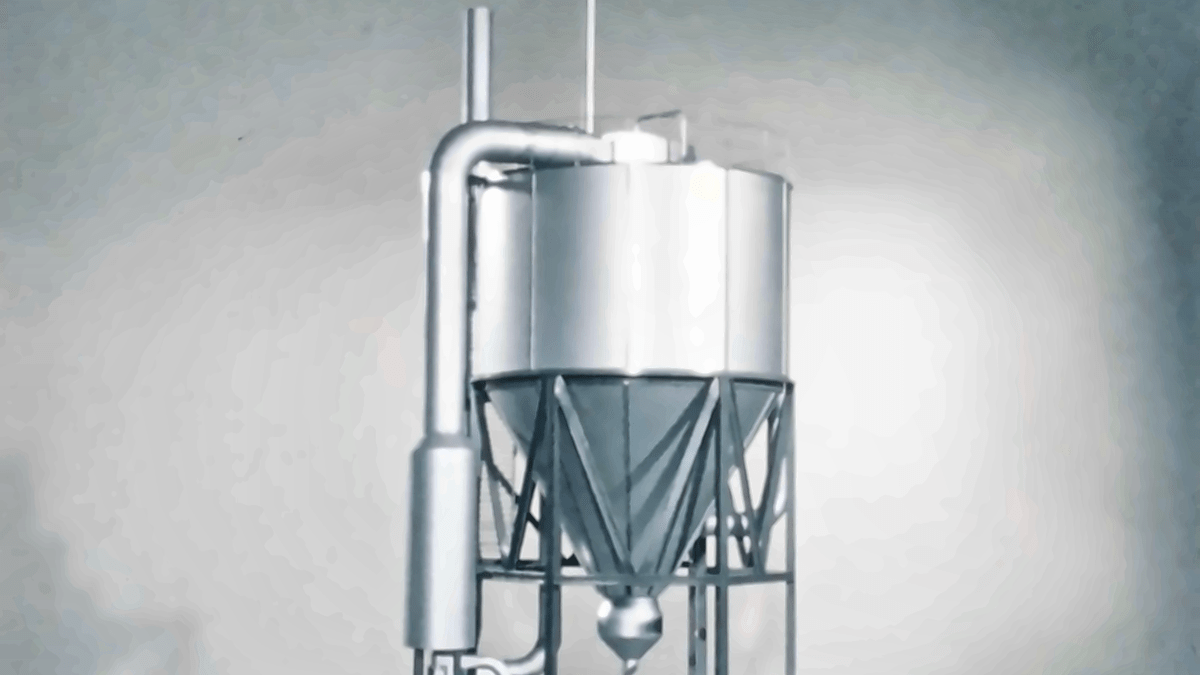
The breakthrough that changed spray drying
In 1976, NIRO engineers responded to a competitive challenge by rethinking what spray drying could do. Their idea became the multi-stage dryer MSD. Fifty years later, the same fundamental principle helps turn liquids into the powders used in essential nutrition products and important medicines around the world. Refined through decades of engineering expertise, customer insight and continuous development, MSD is a story of innovation with lasting impact.
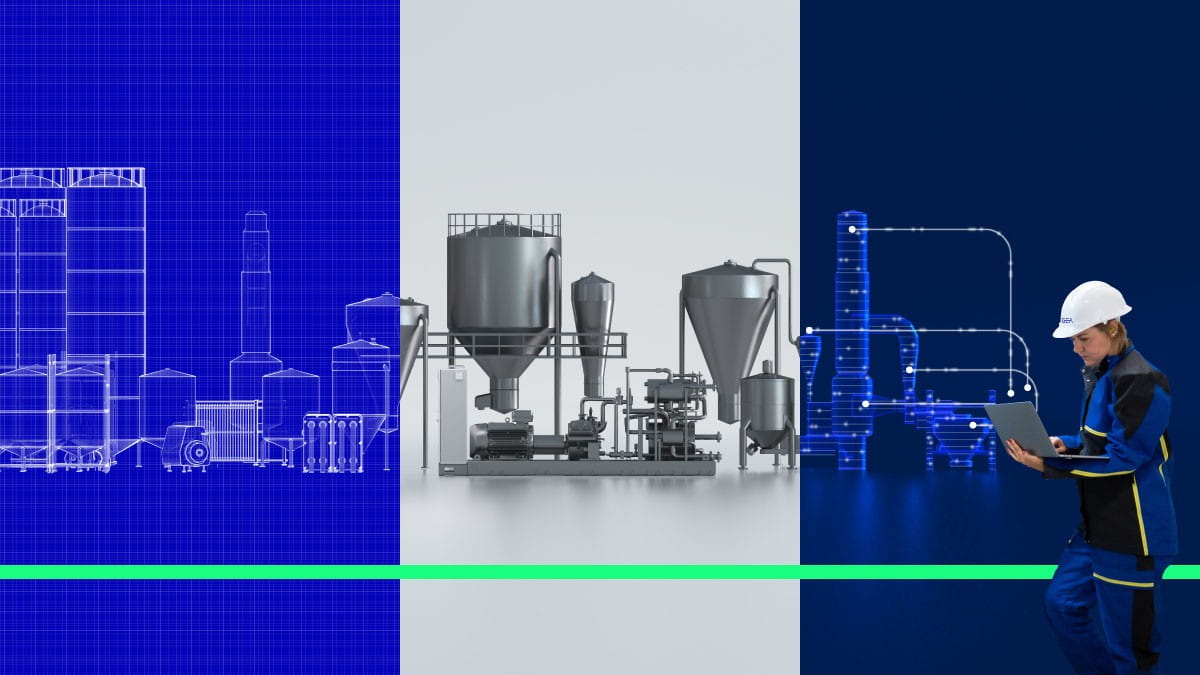
Beyond the machine: unlocking better plant performance
An efficient machine does not automatically make an efficient factory. Real improvement often starts by looking beyond individual equipment and understanding how processes, energy systems and operating decisions affect one another. It’s a holistic approach designed to uncover opportunities that might otherwise be missed.
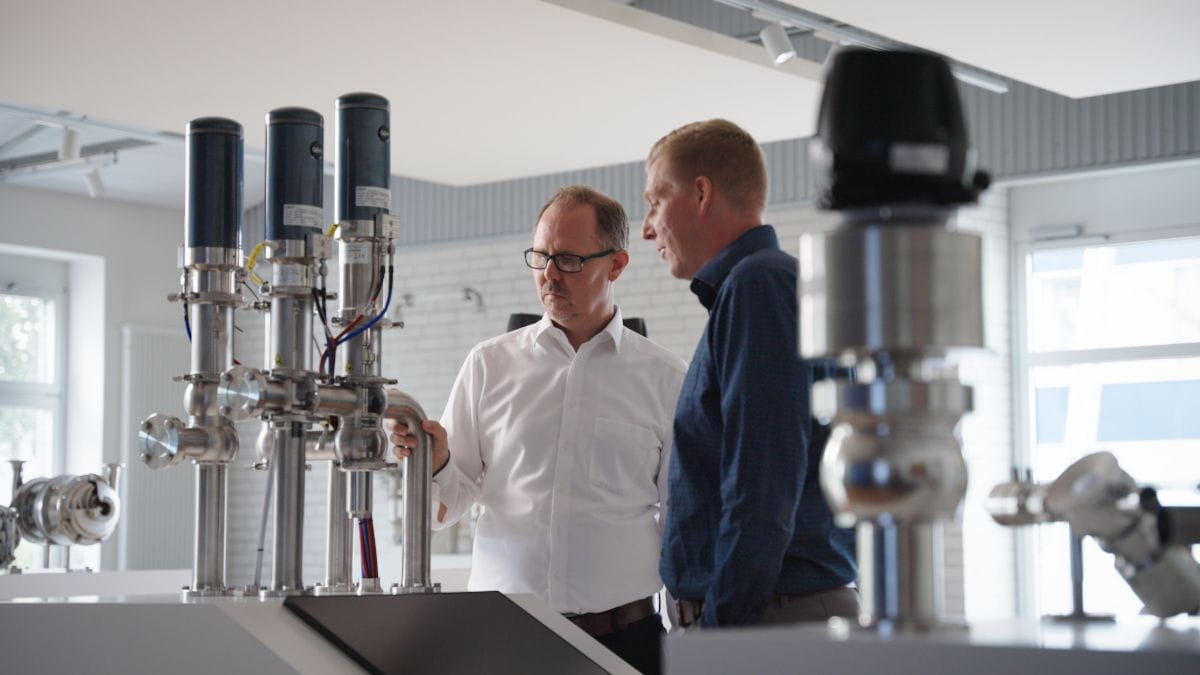
How a valve reshapes the way food and drinks are made
In food and beverage plants, valves are commonly operated using compressed air. GEA Hydract® Actuation Technology moves valves with water instead, in a closed, digitally controlled circuit. The result is a valve that can be held exactly in place and steered in fine-tuned steps. This results in lower energy use and greater control.
