
GEA is the right partner, providing customers around the world with complete support for all aspects of emission control to comply with the highest air emission standards.
GEA has several process options available for the secure removal of SOx and other acidic compounds.
Different sorptive processes allow the removal of sulfur oxides (SOx) from flue gases produced from power stations, industrial combustion, chemical manufacturing and mineral ore processing. FGD (Flue Gas Desulphurization) systems are categorized as either “wet”, “semi-dry” or “dry” according to the phase in which the flue gas reactions take place.
GEA offers Emission Control proven solutions utilizing the below mentioned sorption technologies:
- Wet scrubber systems that use a liquid absorbent.
- Spray Drying Absorbers (SDA) are semi-dry systems in which a solid sorbent is diluted with a small amount of water.
- Dry Sorbent Injection (DSI) injects dry sorbent directly into a flow reactor or in front of dedusting devices providing enough time for chemical reaction.
Products
Wyświetlane elementy: 3 z 3

Absorber z suszarnią natryskową
Absorbery z suszarnią natryskową ułatwiają usuwanie zanieczyszczeń kwasowych, metali ciężkich oraz pyłu z gazów spalinowych i odlotowych w elektrowniach zasilanych paliwami kopalnymi, spalarniach odpadów i instalacjach przemysłowych.

Removal of SOx by dry scrubbing
The dry sorption process removes acid gases like sulfur oxides (SOx) and hydrogen chloride (HCl) through two basic steps. The first step is injection of a dry sorbent into the entrained flow reactor. The second one removes the formed compounds through a downstream particulate matter control device such as a baghouse filter, electrostatic precipit...

Removal of SOx by wet scrubbing
For the wet desulphurization of flue gas, a scrubbing liquid is recirculating and injected to the exhaust where SOx is absorbed in the liquid and reacts. Simultaneously, the flue gas is saturated with water vapor. The reagent is fed to the sump of the scrubber unit and intermittent dewatering is used to drain the reaction agent.
Downloads
GEA Insights
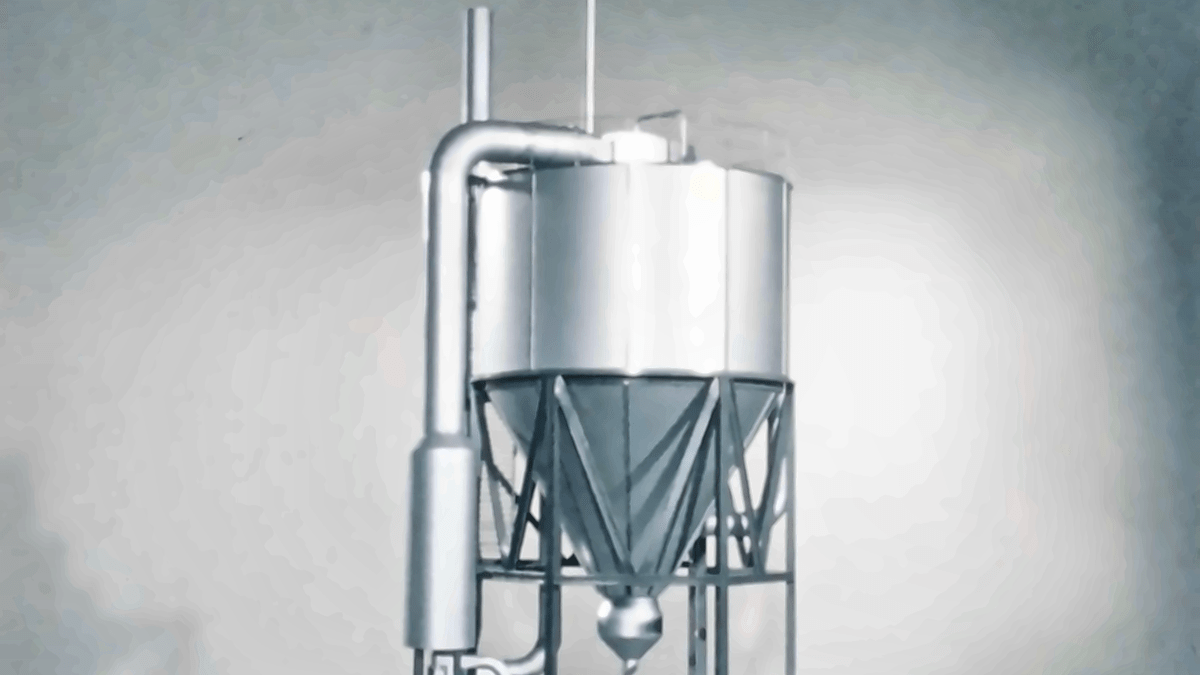
The breakthrough that changed spray drying
In 1976, NIRO engineers responded to a competitive challenge by rethinking what spray drying could do. Their idea became the multi-stage dryer MSD. Fifty years later, the same fundamental principle helps turn liquids into the powders used in essential nutrition products and important medicines around the world. Refined through decades of engineering expertise, customer insight and continuous development, MSD is a story of innovation with lasting impact.

Więcej niż maszyna: klucz do poprawy wydajności zakładu
Wydajność maszyny nie przekłada się automatycznie na wydajność fabryki. Prawdziwa poprawa często zaczyna się od wyjścia poza ramy poszczególnych urządzeń i zrozumienia, w jaki sposób wzajemnie na siebie oddziałują procesy, systemy energetyczne i decyzje operacyjne. Jest to podejście kompleksowe, mające na celu odkrycie możliwości, które w przeciwnym razie mogłyby zostać przeoczone.
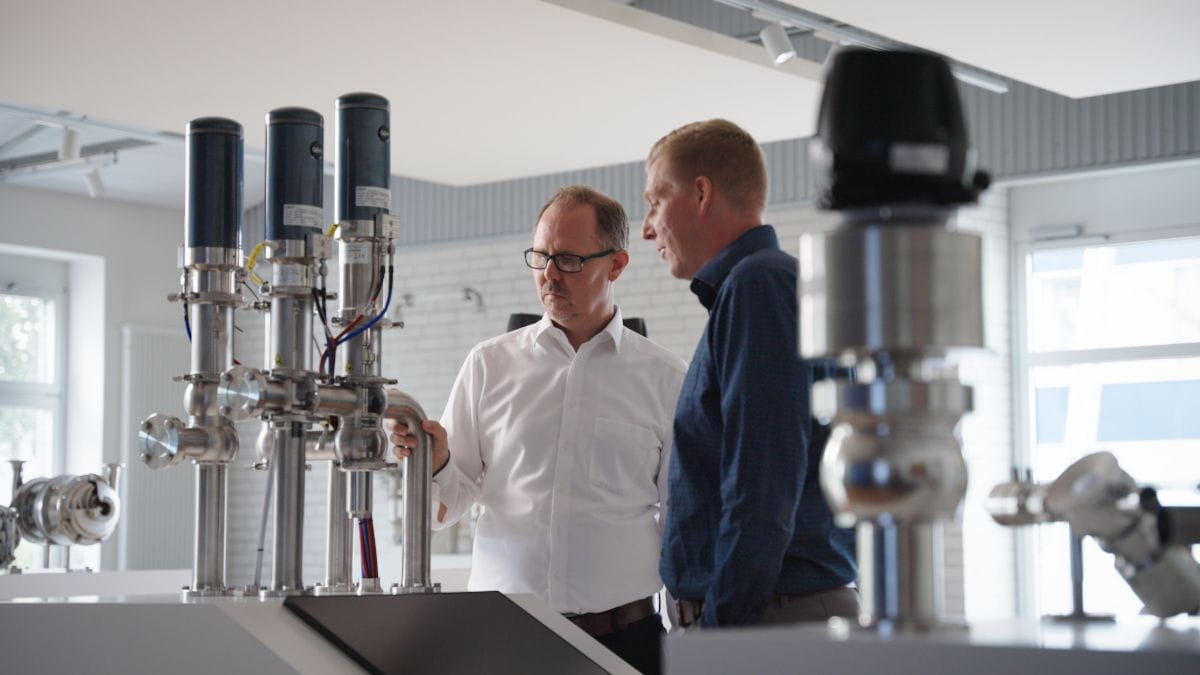
W jaki sposób zawór może wpływać na sposób produkcji żywności i napojów
Zazwyczaj w zakładach produkujących żywność i napoje zawory są uruchamiane za pomocą sprężonego powietrza. Tymczasem w GEA Hydract® Actuation Technology do sterowania zaworami wykorzystuje się wodę w zamkniętym obiegu sterowanym cyfrowo. W rezultacie otrzymujemy zawór, który można precyzyjnie utrzymać w odpowiednim położeniu i sterować nim z dużą dokładnością. Skutkuje to mniejszym zużyciem energii i większą kontrolą.
