
Manufacturing Hormone and Steroid Drugs: Ensuring Operator Health and Safety
Steroids, endogenous hormones such as estrogen and testosterone and the adrenal cortex hormones, cortisol and aldosterone, play a key role in metabolic processes and have a number of pharmaceutical applications, including contraception, hormone therapy, antirheumatic, antiarthritic and bodybuilding preparations.
Predominantly used in global hormone replacement therapy, the three major segments comprise estrogen, growth and thyroid hormone, and testosterone replacement therapy. A major market driver is the increased awareness of postmenopausal hazards amongst women; others include an aging population, innovative drug delivery systems and the pharmerging economies.
Occupational steroid exposure can occur when the active ingredients are inhaled, ingested or absorbed through exposed skin. Although exposure can occur at any point in the production process, the greatest potential for worker exposure during steroid/hormonal drug production occurs during weighing, material transfer, equipment loading or milling.
Nevertheless, unit operations such as blending, granulation, drying, tablet compression and coating can also present hazards. It can even occur in the packaging area, during sampling and quality control, the testing of raw materials, intermediates and finished products, and during maintenance and cleaning.
Manufacturers have the responsibility to protect their operators, particularly those working with potent and toxic compounds, and set defined areas or controls necessary to eliminate the risk of product cross-contamination on a case-by-case basis.
GEA can help you to achieve these goals. From facility design and layout, manufacturing process controls (including adherence to standard operating procedures) and environmental control systems (HVAC) to extraction systems, industrial hygiene solutions and fully integrated, end-to-end containment solutions. We can advise and assist you to determine what level of containment is required where and when, optimizing the manufacturing process and making it efficient, safe and cost-effective.
Produkty i technologie
Wyświetlane elementy: 4 z 25

Analityczne liniowe urządzenia do kontroli i pomiaru
Połączenie monitorowania procesu z analizatorami w linii wraz z solidnymi zasadami projektowania procesu i zaawansowanymi technikami modelowania procesu umożliwi aktywne sterowanie procesem w celu kompensacji zmian sygnału wejściowego.

Contained Materials Handling Systems
Contained Materials Handling solutions for Primary and Secondary Pharmaceuticals and Healthcare. With extensive experience within the generics sector, supply a wide range of technologies and equipment that improve and enhance the efficiency and performance of Oral Solid Dosage production.

Continuous Direct Compression Line
The ConsiGma® DC for direct compression is the latest expansion of GEA's continuous portfolio for cost effective, compact, high yield manufacturing systems. It offers a robust and flexible manufacturing method for a wide range of products.
Continuous Granulation Lines
Continuous Processing is becoming more and more important in the pharmaceutical industry. GEA takes the lead in introducing this innovative technology with ConsiGma® - continuous high-shear granulation and drying lines.


Downloads
GEA Insights
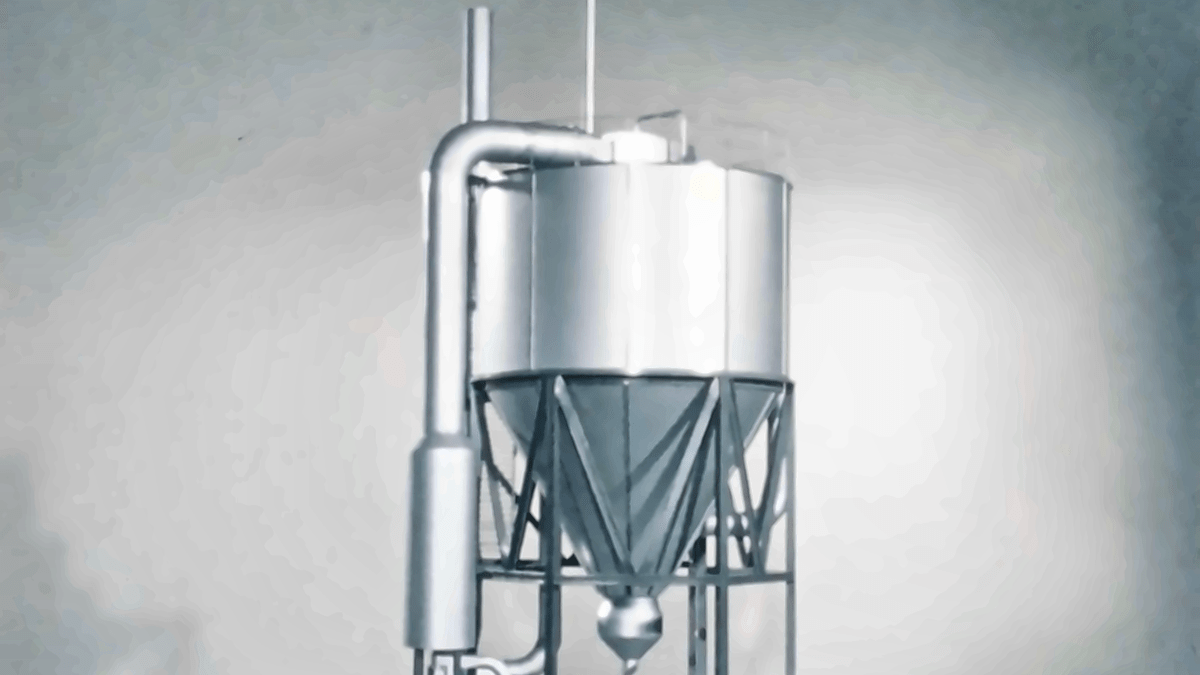
Przełom, który odmienił suszenie rozpyłowe
W 1976 roku inżynierowie NIRO odpowiedzieli na wyzwanie ze strony konkurencji, na nowo definiując możliwości suszenia rozpyłowego. Ich pomysł dał początek wielostopniowej suszarce MSD. Pięćdziesiąt lat później ta sama podstawowa zasada pomaga przekształcać płyny w proszki wykorzystywane na całym świecie do produkcji niezbędnych produktów żywieniowych i ważnych leków. Historia MSD, doskonalonej przez dziesięciolecia dzięki wiedzy inżynieryjnej, doświadczeniom klientów i ciągłemu rozwojowi, to historia innowacji o trwałym znaczeniu.

Więcej niż maszyna: klucz do poprawy wydajności zakładu
Wydajność maszyny nie przekłada się automatycznie na wydajność fabryki. Prawdziwa poprawa często zaczyna się od wyjścia poza ramy poszczególnych urządzeń i zrozumienia, w jaki sposób wzajemnie na siebie oddziałują procesy, systemy energetyczne i decyzje operacyjne. Jest to podejście kompleksowe, mające na celu odkrycie możliwości, które w przeciwnym razie mogłyby zostać przeoczone.

W jaki sposób zawór może wpływać na sposób produkcji żywności i napojów
Zazwyczaj w zakładach produkujących żywność i napoje zawory są uruchamiane za pomocą sprężonego powietrza. Tymczasem w GEA Hydract® Actuation Technology do sterowania zaworami wykorzystuje się wodę w zamkniętym obiegu sterowanym cyfrowo. W rezultacie otrzymujemy zawór, który można precyzyjnie utrzymać w odpowiednim położeniu i sterować nim z dużą dokładnością. Skutkuje to mniejszym zużyciem energii i większą kontrolą.
