

Benefits of our centrifuges
Understanding the importance of slop oil treatment
Slop oil and oily sludge are by-products of upstream and downstream oil processes, generated from various sources such as DAF units, API separators, lagoons, oil pits, and tank bottoms. These waste streams contain a high percentage of oil, water, and solids, making them difficult to manage due to their high viscosity, emulsion content, and abrasive particles. Proper treatment of slop oil is crucial as it reduces hazardous waste volumes, minimizes environmental impact, and recovers valuable hydrocarbons that would otherwise be lost.
GEA's advanced solutions for efficient slop oil treatment
GEA offers a comprehensive solution for the treatment of slop oil, combining mechanical separation with heating and chemical enhancement. Our decanter centrifuges and disk-type separators are tailored to handle varying compositions of slop oil, ensuring efficient recovery of saleable hydrocarbons and reducing overall disposal costs. GEA's expertise in centrifugal separation technology ensures that our customers receive reliable, high-performance solutions that meet their specific needs.
Explosion protection according to ATEX standard
Explosion-protected versions for the zone 2 or zone 1 according to ATEX compliance make for maximum safety in all relevant process stages. Thanks to our blanketing principle, products which are classified as hazardous can also be heated and processed reliably at temperatures above their flash point.
Single stage treatment
For feedstock material that can be efficiently processed through dewatering and simultaneous oil and water separation, GEA's 3-phase single-stage decanter centrifuges are the preferred solution. These centrifuges can handle high solid content achieving maximum dewatering and clarification in one stage, making them ideal for easier slop oil treatment requirements.

Single-stage treatment with 3-phase decanter centrifuge
Double stage treatment
In cases where the feedstock is more challenging to treat or higher oil quality is required, GEA's double-stage treatment process becomes more viable. This involves using 2-phase decanter centrifuges followed by high-speed disk stack centrifuges. The disk stack machines process the decanter centrate phase, separating ultra-fine particles and maximizing water removal. This results in a high-quality oil product that can be merchandized similarly to crude oil.

Double-stage treatment with 2-phase decanter centrifuges and disk stack centrifuges
Why GEA for efficient slop oil treatment
GEA's advanced centrifugal separation technology offers a robust and efficient solution for the treatment of slop oil and oily sludge. Our tailored single and double-stage treatment processes ensure maximum recovery of valuable hydrocarbons while minimizing environmental impact and disposal costs. With GEA, you can trust in a partner that delivers reliable, high-performance solutions backed by over a century of expertise in the field.

3-stage treatment with 2-phase decanter and two disk stack centrifuges


Produkty i technologie
Wyświetlane elementy: 1 z 1

Downloads
GEA Insights
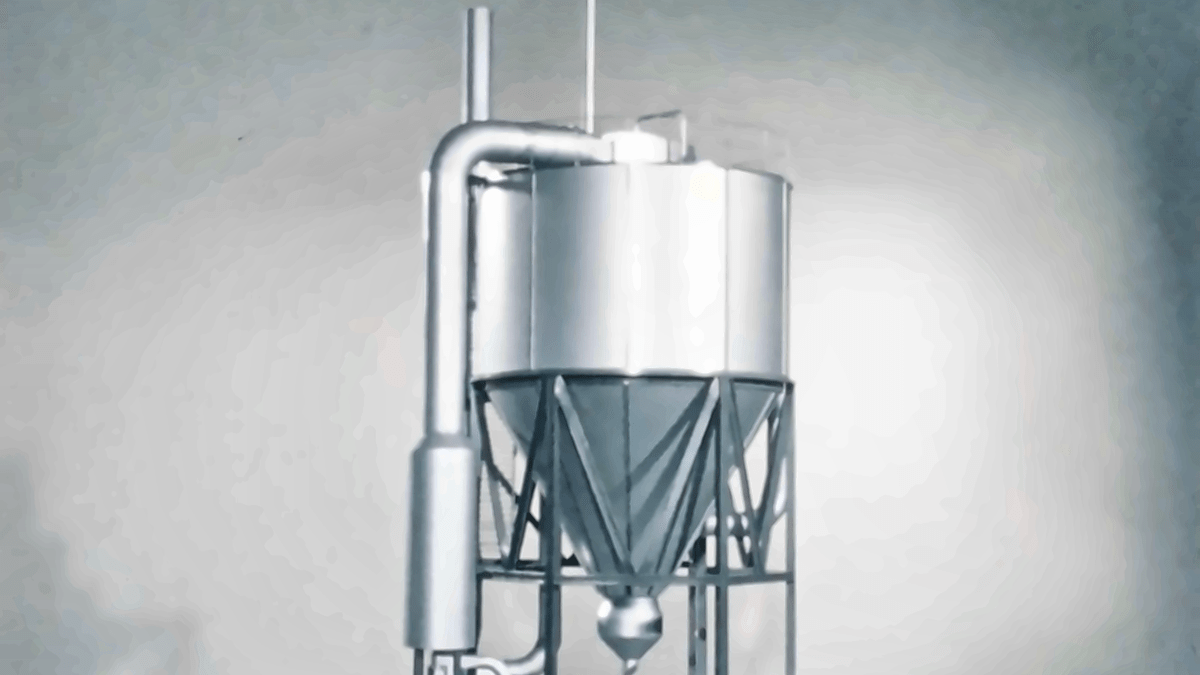
Przełom, który odmienił suszenie rozpyłowe
W 1976 roku inżynierowie NIRO odpowiedzieli na wyzwanie ze strony konkurencji, na nowo definiując możliwości suszenia rozpyłowego. Ich pomysł dał początek wielostopniowej suszarce MSD. Pięćdziesiąt lat później ta sama podstawowa zasada pomaga przekształcać płyny w proszki wykorzystywane na całym świecie do produkcji niezbędnych produktów żywieniowych i ważnych leków. Historia MSD, doskonalonej przez dziesięciolecia dzięki wiedzy inżynieryjnej, doświadczeniom klientów i ciągłemu rozwojowi, to historia innowacji o trwałym znaczeniu.

Więcej niż maszyna: klucz do poprawy wydajności zakładu
Wydajność maszyny nie przekłada się automatycznie na wydajność fabryki. Prawdziwa poprawa często zaczyna się od wyjścia poza ramy poszczególnych urządzeń i zrozumienia, w jaki sposób wzajemnie na siebie oddziałują procesy, systemy energetyczne i decyzje operacyjne. Jest to podejście kompleksowe, mające na celu odkrycie możliwości, które w przeciwnym razie mogłyby zostać przeoczone.

W jaki sposób zawór może wpływać na sposób produkcji żywności i napojów
Zazwyczaj w zakładach produkujących żywność i napoje zawory są uruchamiane za pomocą sprężonego powietrza. Tymczasem w GEA Hydract® Actuation Technology do sterowania zaworami wykorzystuje się wodę w zamkniętym obiegu sterowanym cyfrowo. W rezultacie otrzymujemy zawór, który można precyzyjnie utrzymać w odpowiednim położeniu i sterować nim z dużą dokładnością. Skutkuje to mniejszym zużyciem energii i większą kontrolą.
