
The easy solution for CIP feeds:
GEA FLOWVENT Double-seal valves can be applied as efficient alternatives for secure separation of incompatible products within CIP systems or gas blocks.
Function of the valve
The Double-seal valve separates media in two pipelines. The two seals are both located in one valve disc. Hence, they cannot be moved apart separately as in double-seat valves. Therefore, this valve type is recommend for CIP systems and gas blocks.
Application
Double-seal valves are predominantly used in areas where hygienic safety is not critical, e.g. CIP systems and gas blocks (brewery).
Technical data of the standard version
| Recommended flow direction | Against the closing direction |
| Material in contact with product | AISI 316L |
| Material not in contact with product | AISI 304 |
| Seal material in contact with product | EPDM, FKM |
| Ambient temperature | 0 to 45°C |
| Air supply pressure | 6 bar (87 psi) |
| Product pressure | 5 bar (73 psi) |
| Surface in contact with product | Ra ≤ 0,8 μm |
| External housing surface | Matte |
| Control and feedback system | FLOWVENT Control top |
| Actuator type | Pneumatic actuator air / spring |
| Connection fittings | Welding end |
| Identification | Adhesive label |
| Certificates | FDA |
Downloads
Prodotti correlati

FLOWVENT Control top
GEA's state-of-the-art control top technology means you can set-up each installed GEA FLOWVENT valve unit automatically within seconds, even without special training.

FLOWVENT Shut-off valves
The key to guiding your process flow: GEA FLOWVENT Shut-off valves are used for easy shut-off solutions in hygienic applications.

FLOWVENT Mixproof valves
State-of-the-art for your secure applications: GEA FLOWVENT Mixproof valves are used for the hygienically safe shut-off of incompatible media at pipe intersections.

FLOWVENT Divert valves
The master tool for all changeover functions: GEA FLOWVENT Divert valves are used for easy changeover solutions in hygienic applications.
Approfondimenti GEA
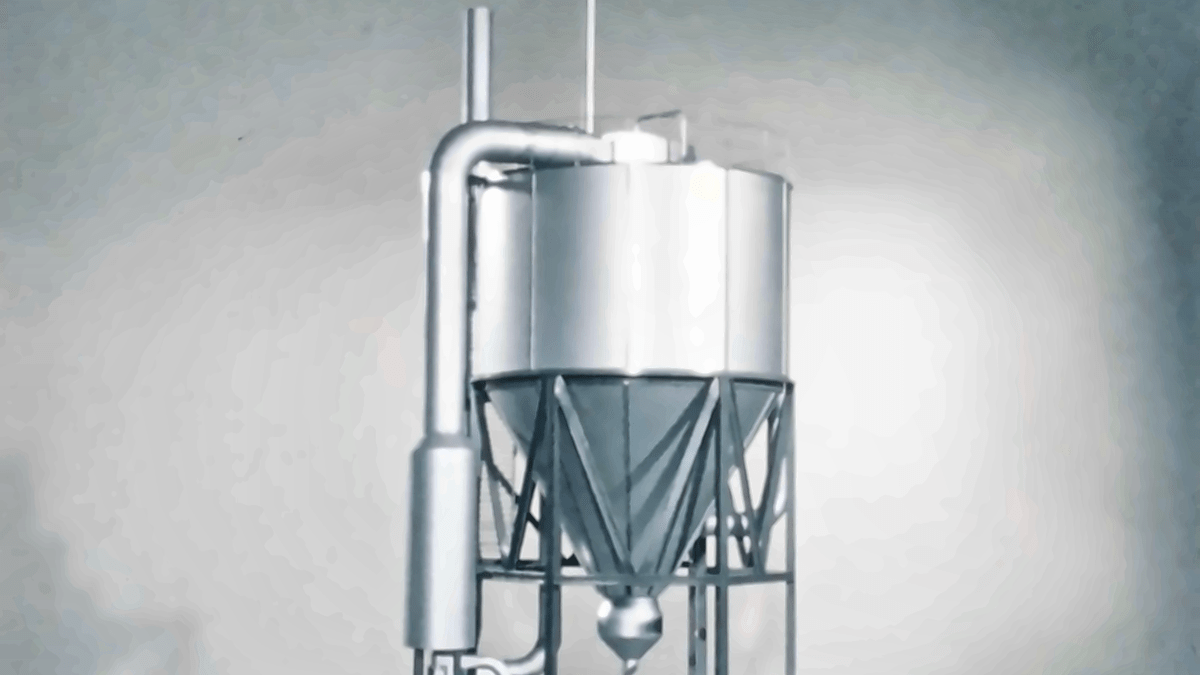
The breakthrough that changed spray drying
In 1976, NIRO engineers responded to a competitive challenge by rethinking what spray drying could do. Their idea became the multi-stage dryer MSD. Fifty years later, the same fundamental principle helps turn liquids into the powders used in essential nutrition products and important medicines around the world. Refined through decades of engineering expertise, customer insight and continuous development, MSD is a story of innovation with lasting impact.

Oltre le macchine: come migliorare le prestazioni dell’impianto
Una macchina efficiente non garantisce automaticamente l'efficienza di uno stabilimento. Il vero miglioramento spesso inizia guardando oltre le singole attrezzature e comprendendo come i processi, i sistemi energetici e le decisioni operative si influenzino a vicenda. Si tratta di un approccio olistico pensato per individuare opportunità che altrimenti potrebbero sfuggire.
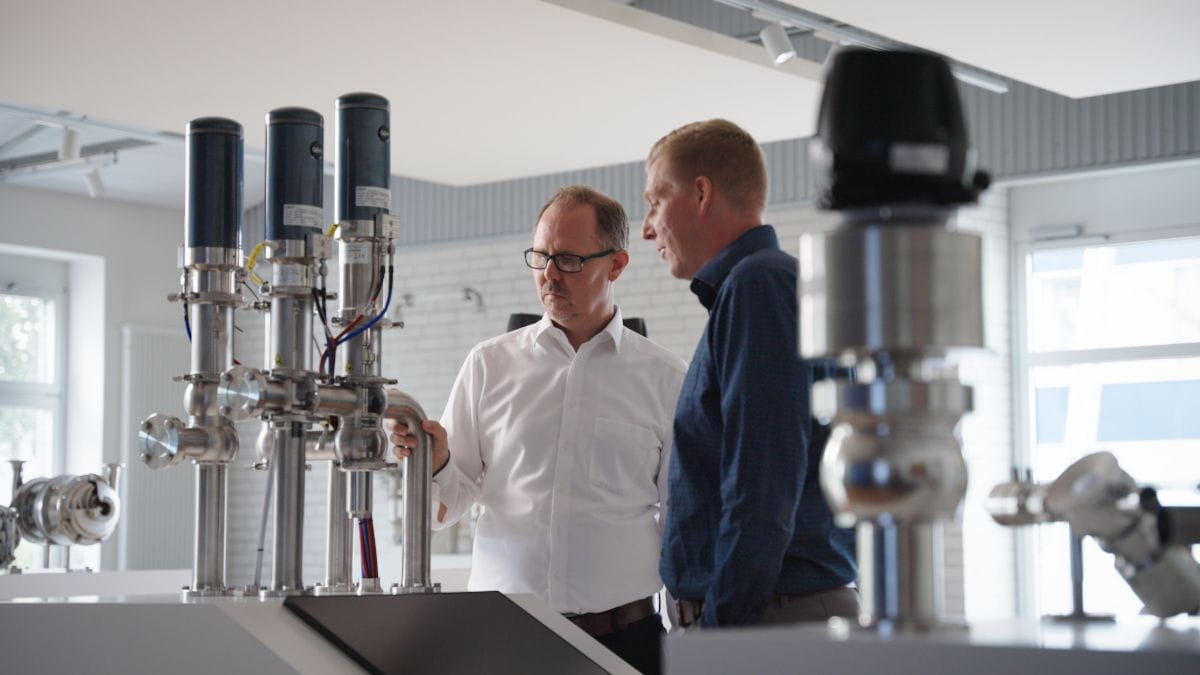
Come una valvola rivoluziona la produzione di alimenti e bevande
Negli impianti di produzione di alimenti e bevande, le valvole vengono solitamente azionate tramite aria compressa. GEA Hydract® Actuation Technology utilizza l'acqua all'interno di un circuito chiuso e controllato digitalmente. Il risultato è una valvola che può essere mantenuta esattamente in posizione e regolata con per piccoli incrementi con grande precisione. Ciò si traduce in un minor consumo energetico e in un maggiore controllo.
