

L'unità per la produzione di acqua sterile GEA è progettata per garantire una fornitura continua in loco di acqua sterile destinata agli omogeneizzatori asettici utilizzati nei processi UHT. Adatto sia per applicazioni UHT dirette che indirette, questo skid compatto e pronto all’uso eroga quantità controllate di acqua sterile per il lavaggio dei pistoni e delle sedi delle valvole negli omogeneizzatori asettici, soddisfacendo i requisiti di lavorazione asettica e contribuendo a mantenere condizioni operative igieniche.
Perché l'acqua sterile è importante
L'acqua sterile funge da barriera fondamentale che impedisce a batteri e spore di penetrare in parti degli omogeneizzatori asettici, dove potrebbero causare la contaminazione del prodotto. L'acqua sterile protegge le interfacce in movimento, quali pistoni e valvole omogeneizzatrici, e garantisce un processo stabile e igienico. L'unità per acqua sterile GEA garantisce questa fornitura in modo continuo, grazie a un processo di sterilizzazione convalidato, unitamente a un controllo preciso della temperatura e a un monitoraggio affidabile della temperatura, della contropressione e della portata.
Tecnologia di recupero del calore ad alta efficienza
L'unità rigenerativa per acqua sterile utilizza una tecnologia di scambio termico in combinazione con acqua dolce per ridurre drasticamente il fabbisogno energetico.
Rispetto alle stazioni di raffreddamento della condensa convenzionali, l'unità rigenerativa per acqua sterile offre:
- Consumo energetico ridotto fino al 90%
- Consumo idrico ridotto del 43%
- Riduzione di circa 130–141 tonnellate metriche di CO₂ prodotte ogni anno
- Perdite di calore radiante ridotte al minimo
- Minore usura meccanica grazie alle temperature di esercizio stabili
Tutto ciò si traduce in una riduzione dei costi operativi, in una più lunga durata delle attrezzature e in una maggiore stabilità dei processi.

Principali vantaggi dell'unità per acqua sterile GEA:
- Produzione in loco di acqua sterile per una completa indipendenza di processo
- Massima sicurezza asettica grazie al controllo della temperatura, della contropressione e della portata
- Minore manutenzione
- Skid completamente preassemblato e pronto all'uso (plug-and-play), compreso il quadro di comando
- Breve periodo di ammortamento, compreso tra 1 e 3 anni
- Ideale per i processi UHT sia diretti che indiretti
Applicazioni tipiche dell'unità per acqua sterile GEA:
L'unità per acqua sterile GEA è progettata per fungere da barriera sterile nei seguenti ambiti:
- Omogeneizzatori asettici
- Lavaggio delle sedi delle valvole
- Lavaggio delle tenute meccaniche
- Linee di lavorazione UHT asettiche
È ampiamente utilizzata negli ambienti di produzione di prodotti lattiero-caseari, bevande e alimenti a base vegetale.
Progettato per soddisfare i requisiti della lavorazione asettica
L'unità di acqua sterile è progettata per supportare i processi asettici, garantendo una fornitura continua di acqua sterile agli omogeneizzatori asettici. Il sistema eroga volumi d'acqua controllati per il lavaggio dei pistoni e delle sedi delle valvole, garantendo condizioni operative igieniche e l'integrità del processo durante l'intero ciclo produttivo.
La soluzione può aiutare i produttori a:
- Soddisfare i requisiti relativi alla lavorazione asettica
- Integrare l'approvvigionamento di acqua sterile nelle operazioni dell'omogeneizzatore
- Garantire un lavaggio controllato dei pistoni e delle sedi delle valvole
- Garantire un funzionamento affidabile negli ambienti di lavorazione UHT

Insignita dell'etichetta "Add Better"
L'unità per acqua sterile GEA ha ottenuto l'etichetta GEA Add Better per il suo comprovato contributo alla riduzione del consumo di risorse nei processi asettici.
Grazie alla tecnologia di scambio termico rigenerativo, il sistema recupera e riutilizza l'energia termica all'interno del processo, riducendo in modo significativo il consumo di risorse necessarie per la produzione di acqua sterile.
Per verificare tali vantaggi, il sistema è stato sottoposto a una valutazione specifica basata sulle norme ISO ed è stato validato in modo indipendente da TÜV Rheinland.
I risultati dimostrano che, rispetto alle stazioni di raffreddamento della condensa convenzionali, l'unità rigenerativa per acqua sterile può garantire un consumo energetico inferiore fino al 90%, un consumo idrico inferiore del 43% e una riduzione delle emissioni di CO₂ pari a circa 130-141 tonnellate metriche all'anno.
L'ottenimento dell'etichetta "Add Better" conferma i reali vantaggi per l'ambiente offerti dall'unità, pur garantendo i più elevati standard di sicurezza asettica e affidabilità di processo.
Downloads
Prodotti correlati

Serbatoio asettico GEA
Per garantire la massima sicurezza in ogni fase del processo di sterilizzazione.

GEA VARI-DOS-ASEPT
Dosaggio asettico di precisione per applicazioni nel settore lattiero-caseario, alimentare e delle bevande.

Soluzione asettica mobile GEA
L'innovazione per il trasporto asettico di liquidi sfusi
Approfondimenti GEA
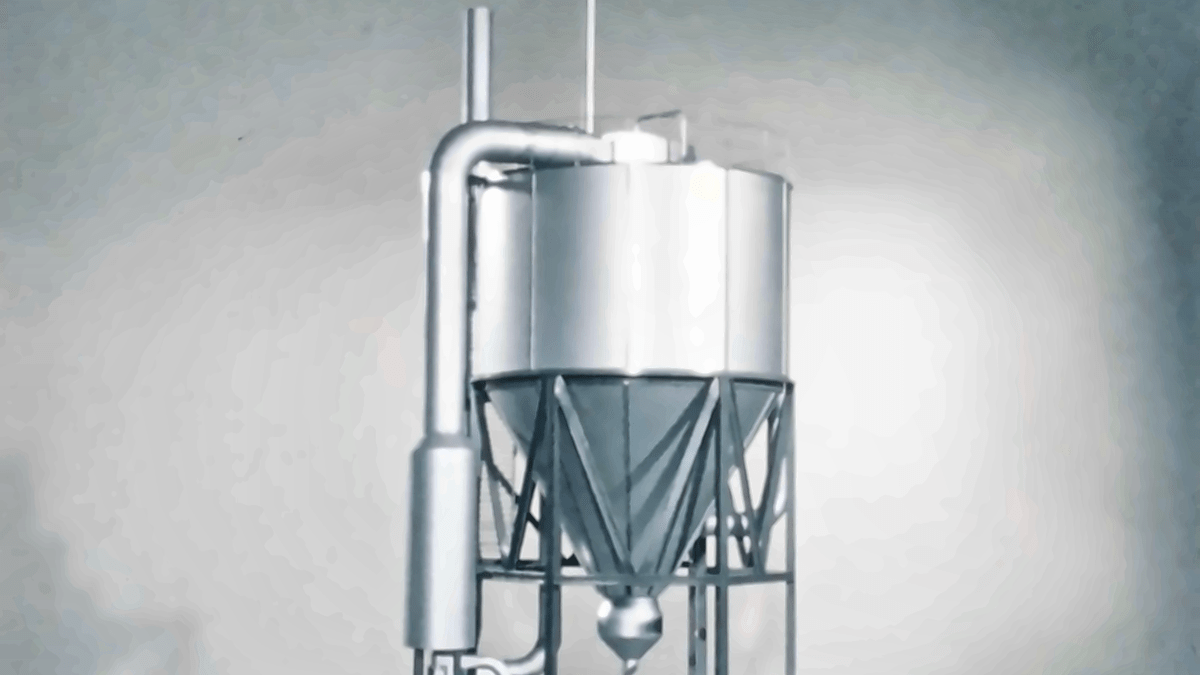
The breakthrough that changed spray drying
In 1976, NIRO engineers responded to a competitive challenge by rethinking what spray drying could do. Their idea became the multi-stage dryer MSD. Fifty years later, the same fundamental principle helps turn liquids into the powders used in essential nutrition products and important medicines around the world. Refined through decades of engineering expertise, customer insight and continuous development, MSD is a story of innovation with lasting impact.
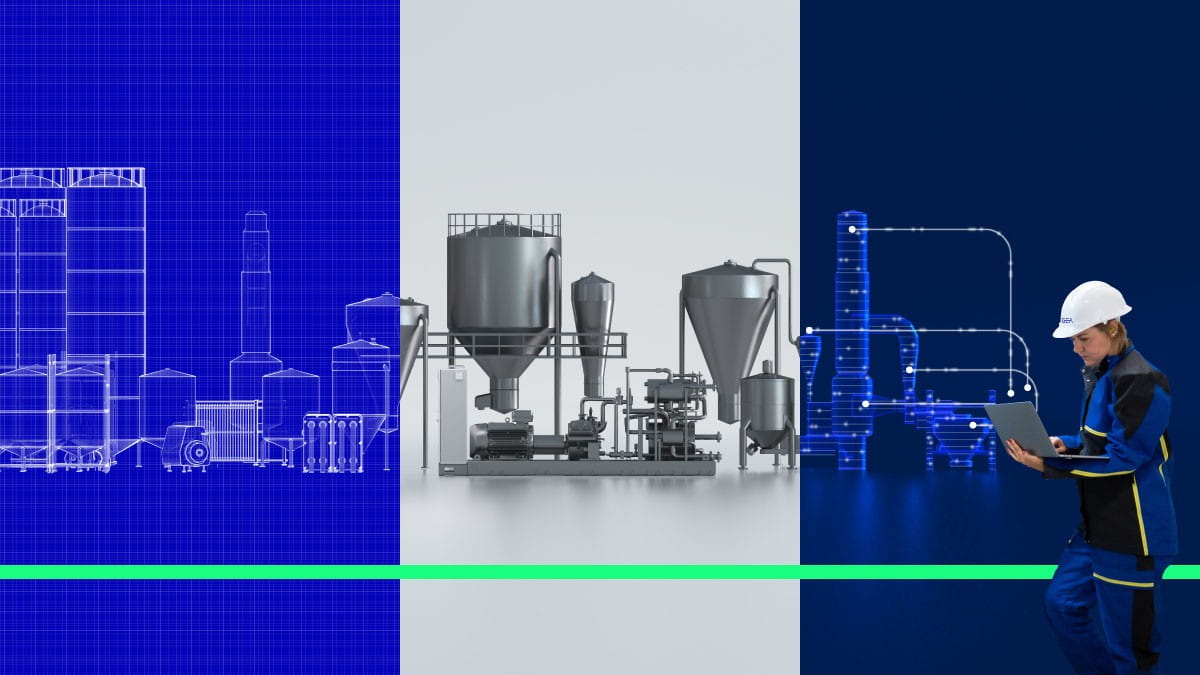
Oltre le macchine: come migliorare le prestazioni dell’impianto
Una macchina efficiente non garantisce automaticamente l'efficienza di uno stabilimento. Il vero miglioramento spesso inizia guardando oltre le singole attrezzature e comprendendo come i processi, i sistemi energetici e le decisioni operative si influenzino a vicenda. Si tratta di un approccio olistico pensato per individuare opportunità che altrimenti potrebbero sfuggire.
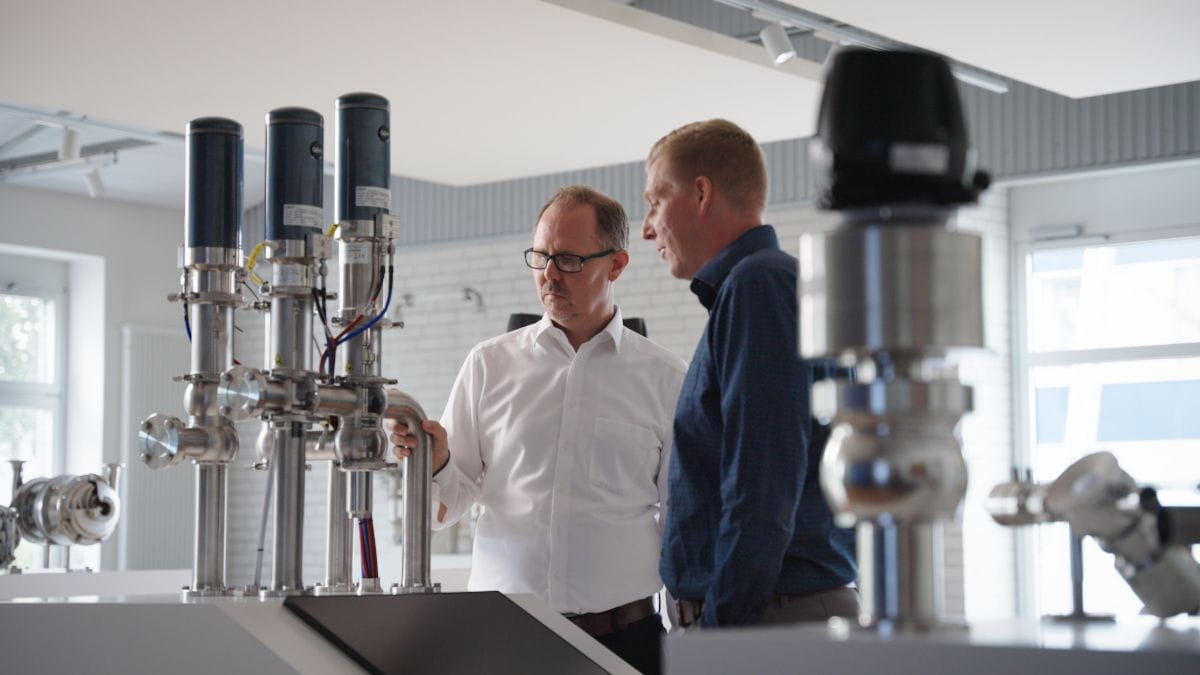
Come una valvola rivoluziona la produzione di alimenti e bevande
Negli impianti di produzione di alimenti e bevande, le valvole vengono solitamente azionate tramite aria compressa. GEA Hydract® Actuation Technology utilizza l'acqua all'interno di un circuito chiuso e controllato digitalmente. Il risultato è una valvola che può essere mantenuta esattamente in posizione e regolata con per piccoli incrementi con grande precisione. Ciò si traduce in un minor consumo energetico e in un maggiore controllo.
