

As energy prices rise and environmental regulations tighten worldwide, the dairy industry must adopt more efficient and environmentally responsible technologies - and GEA Econhex delivers precisely that. By smartly integrating Reverse Osmosis (RO) into a traditional dairy powder production line, this system achieves exceptional efficiency, reducing both energy consumption and initial capital expenditure while maintaining the highest product quality standards.
An innovative combination of technologies
At the heart of the GEA Econhex system is the seamless integration of GEA reverse osmosis, GEA heat treatment, GEA falling film evaporation and a GEA spray drying.
Reverse osmosis membranes pre-concentrate skim milk from 9% total solids up to a maximum of 36% total solids. This pre-concentration, prior to heat treatment, reduces the volume and so the steam and energy demand required.
Once pre-concentrated through reverse osmosis, the milk moves to the heat treatment section where the product is heated (to between 90-127°C depending on production capabilities) to achieve higher microbiological quality.
By combining this low-energy heat-treatment, with a reverse osmosis, GEA has created an energy efficient, electrically driven, resource efficient process.
Following heat treatment - which is typically integrated within the evaporator for even better efficiency, the product is further concentrated in the falling film evaporator, removing water up to final concentration prior to transportation to the GEA spray dryer. The evaporator can be of either the TVR (thermal vapor recompression) or MVR (mechanical vapor recompression) type.
The product is then spray dried in a GEA spray dryer where powders of precisely-defined characteristics can be produced reliably.

GEA Econhex - solution overview
GEA Econhex also supports advanced heat treatment technologies such as Direct Steam Injection (DSI) and UHT Infusion, depending on the production need and capability. This helps minimize fouling and scorching while ensuring optimal microbial reduction. This capability enhances the system’s performance and ensures long-term reliability and product consistency.
Economic efficiency and optimized total cost of ownership
GEA Econhex provides impressive economic benefits through both optimized capital expenditure and lowered operational costs. Reverse osmosis technology typically requires a substantially lower capital expenditure compared with traditional falling film evaporators for the same water removal capacity. This makes the initial cost of implementing GEA Econhex more attractive for dairy producers seeking efficient and cost-effective solutions.
The system’s built-in energy efficiency also reduces operational expenses (OPEX). Reverse Osmosis has a very low specific energy requirement per ton of water removed. By combining RO, heat treatment and falling film evaporation, GEA Econhex uses less steam and electricity overall. This translates into lower energy costs over time, without compromising product quality. Depending on energy costs and milk processing capacity, this solution could deliver up to 20% savings in both CAPEX and OPEX.
Uncompromised product quality and flexibility
Despite its efficiency and cost-effectiveness, GEA Econhex maintains the highest product quality standards. The system handles a wide range of heat treatments, enabling producers to achieve diverse powder qualities, from low-heat to high-heat treatment options. This flexibility ensures that the final product meets stringent microbiological standards and aligns with the various market requirements for texture, flavor, and nutritional value.
GEA technologies used:
Prodotti correlati

Dairy Evaporation Plants
Le nostre soluzioni per l'evaporazione abbracciano l'intero processo, dal pretrattamento, al trattamento termico e alla fase di evaporazione stessa, fino alla separazione e al post-trattamento

Sistema UHT GEA a infusione diretta
Il sistema UHT GEA a infusione utilizza un rapido riscaldamento a vapore per ridurre il carico termico rispetto ai metodi indiretti, preservando proteine, sostanze nutritive, sapore e colore per un prodotto più fresco e nutriente.

Spray dryer MSD®
Lo spray dryer MSD® è la scelta preferenziale per molti prodotti lattiero-caseari come latte in polvere e formule nutrizionali in cui sono richieste polveri uniformi, di grana grossa, agglomerate, scorrevoli e leggere.

Impianti di filtrazione progettati su misura
GEA progetta in modo personalizzato sistemi di filtrazione a membrana che sfruttano al meglio le tecnologie di microfiltrazione, ultrafiltrazione, nanofiltrazione o osmosi inversa per ogni applicazione specifica del cliente.
Approfondimenti GEA
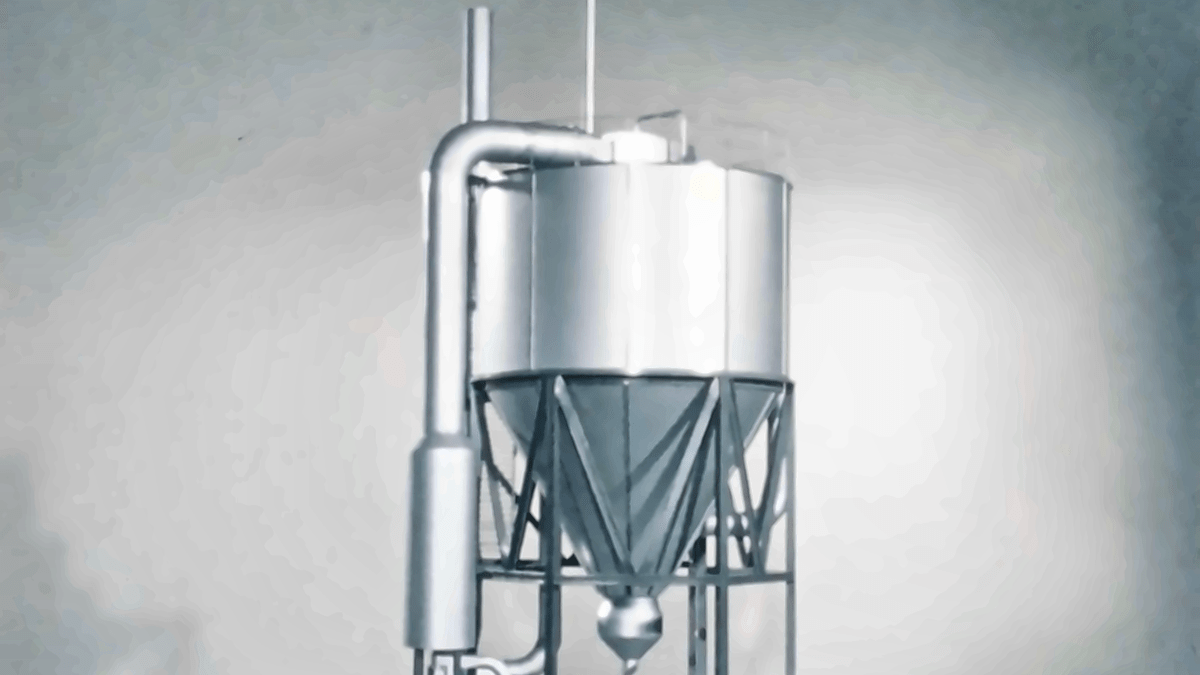
La svolta che ha rivoluzionato lo spray drying
Nel 1976, gli ingegneri di NIRO risposero a una sfida della concorrenza ripensando radicalmente le potenzialità dello spray drying. Da questa intuizione nacque l'essiccatore multistadio MSD. Cinquant'anni dopo, lo stesso principio fondamentale contribuisce a trasformare i liquidi nelle polveri utilizzate in prodotti nutrizionali essenziali e in importanti farmaci in tutto il mondo. Perfezionato grazie a decenni di competenza ingegneristica, attenzione alle esigenze dei clienti e sviluppo continuo, l'MSD rappresenta una storia di innovazione dall'impatto duraturo.
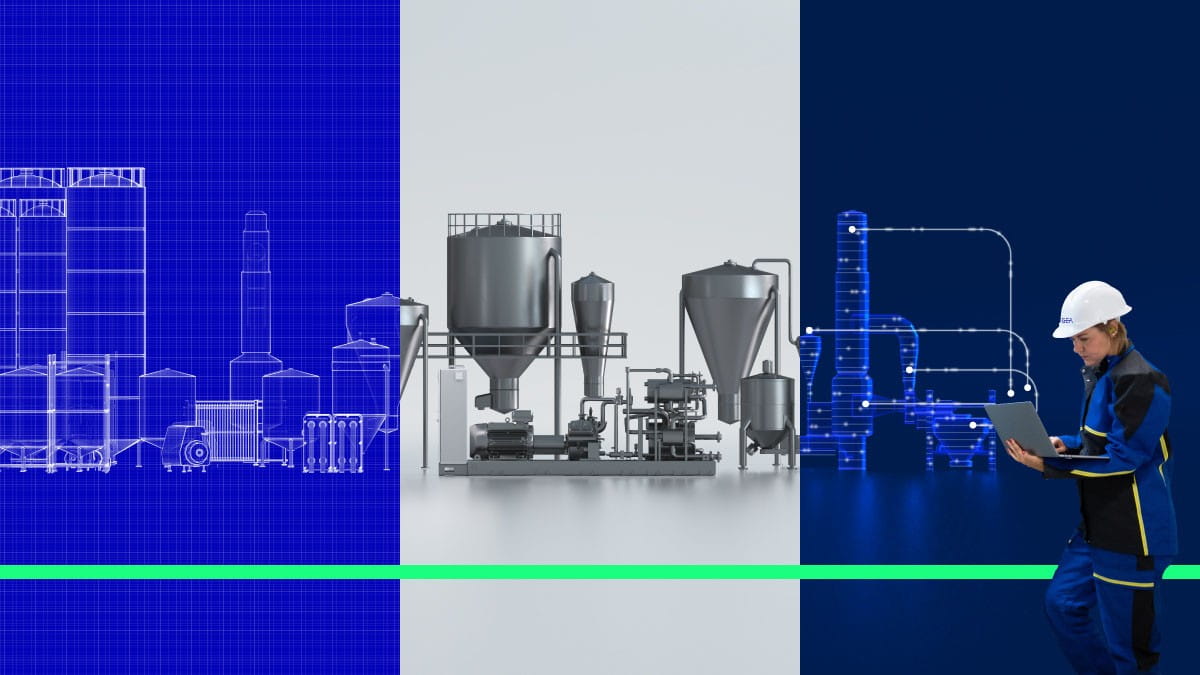
Oltre le macchine: come migliorare le prestazioni dell’impianto
Una macchina efficiente non garantisce automaticamente l'efficienza di uno stabilimento. Il vero miglioramento spesso inizia guardando oltre le singole attrezzature e comprendendo come i processi, i sistemi energetici e le decisioni operative si influenzino a vicenda. Si tratta di un approccio olistico pensato per individuare opportunità che altrimenti potrebbero sfuggire.
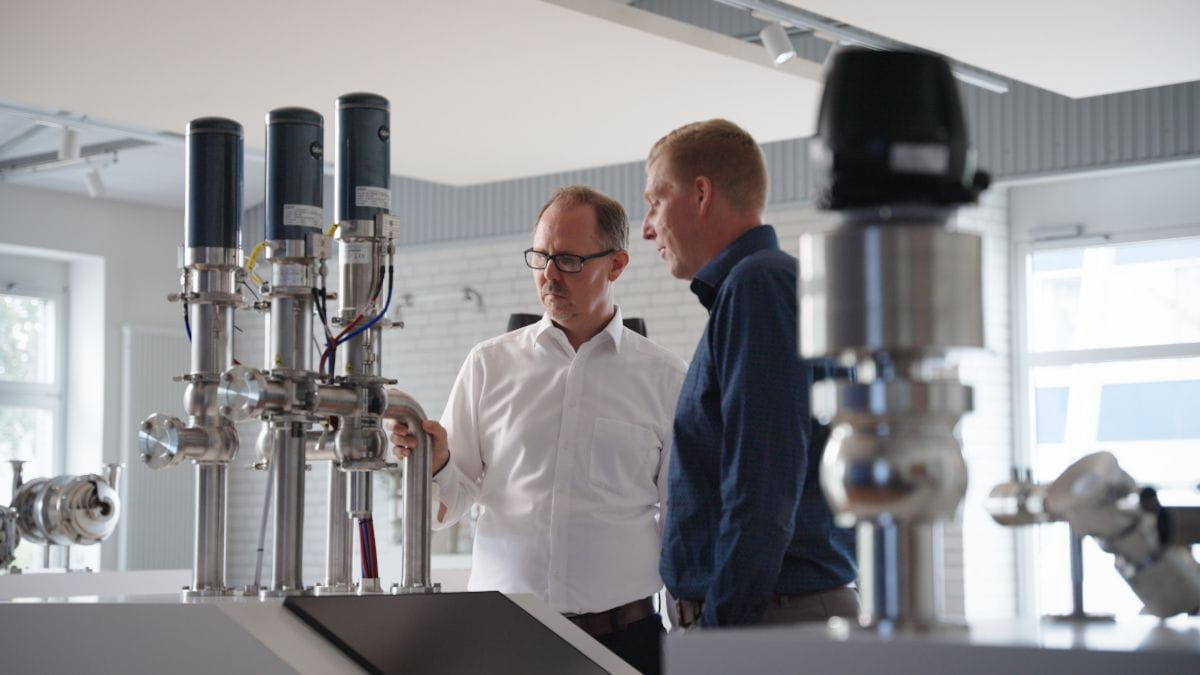
Come una valvola rivoluziona la produzione di alimenti e bevande
Negli impianti di produzione di alimenti e bevande, le valvole vengono solitamente azionate tramite aria compressa. GEA Hydract® Actuation Technology utilizza l'acqua all'interno di un circuito chiuso e controllato digitalmente. Il risultato è una valvola che può essere mantenuta esattamente in posizione e regolata con per piccoli incrementi con grande precisione. Ciò si traduce in un minor consumo energetico e in un maggiore controllo.
