

How does XECO® Waste Heat Recovery Solutions work?
The XECO® Waste Heat Recovery system consists of a heat exchanger (WHRU) and a heat carrier loop. In the WHRU, heat that would otherwise be released unused to the atmosphere or quenched via water or air, is transferred to a heat carrier medium. The heat carrier medium and the process gas are contacted in cross-counter current to optimize heat transfer efficiency.
We optimize operating and design parameters such as gas velocity, pipe diameter, pipe thickness and gradients in the WHRU. This ensures customized solutions for specific application and process requirements, even for gases with high dust content (>> 10g/m3 std. dry), sticky dust or abrasive elements. The optimization ensures stability and reliability in your production processes.
Thermal oil or water can be used as a heat transfer medium. We have comprehensive experience in a wide range of thermal oils and pressurized water systems. We constantly focus on the environmental compliance and the well-being of personnel during heat transfer operations.
Benefits of XECO® Waste Heat Recovery Solutions
The XECO® Heat Recovery Technologies utilize your waste heat to operate your CEBO® Carbon Capture system and thus reduces external energy requirements.
With decades of expertise in emission control, we have an in-depth understanding of the different flue gases in various industries. This knowledge is the most important resource for designing your XECO® Waste Heat Recovery system. Our aim is to ensure a long service life, minimal maintenance requirements and optimized operating costs – all with the least possible impact on your production process, whether in glass- or cement industry, or other sectors.
Applications of XECO® Waste Heat Recovery Technology
Cement Industry
The cement industry inherently emits CO2 during its processes. Based on our long-standing expertise in emission control, GEA has supplied scrubbers, dedusting and denitrification systems for the cement industry.
We offer a special XECO® Waste Heat Recovery system that has proven itself in the treatment of kiln exhaust gases and exhaust gases from clinker coolers. Especially for the challenging kiln flue gas with high dust loads and challenging pollutants, GEA has supplied systems that have proven themselves over many years with outstanding heat transfer performance. These systems are still in use today for process heat transfer and ORC applications and can be easily integrated into future CEBO® Carbon Capture plants.
Glass Industry
Among other heat-intensive production processes, the glass industry is also facing the challenge of becoming more sustainable.
GEA supports the glass industry in this field and has been supplying heat recovery systems for more than a decade. Whether upstream or downstream of an emission control system GEA offers a XECO® Waste Heat Recovery system that does not affect the production process while recovering a large amount of waste heat. Our online purification system, on the raw gas side, optimizes the efficiency of heat transfer over extended periods of time and ensures consistent performance.
The system currently used in the glass industry to generate electricity via ORC or for heating purposes is able to redirect the waste heat to utilize it for CEBO® Carbon Capture plants, for a more sustainable production.

Want to learn even more?
Webinar: GEA XECO® Waste Heat Recovery
- Learn how Waste Heat Recovery supports industrial energy management through the utilization of available energy streams.
- Explore examples and reference projects from the cement and glass industries.
- Gain insights into GEA’s approach to tailored Waste Heat Recovery solutions for specific plant requirements.
Prodotti correlati

CEBO® Carbon Capture Technology: Customized Solutions
Our CEBO® Carbon Capture Technology offers customized solutions for various industries to help reduce industrial CO2 emissions.

Innovative CO2 Solutions for Industry | GEA NAVO®
Explore GEA NAVO® technologies for effective CO2 capture and utilization, tailored for the cement, chemical and steel industries, among others.

Optimize Carbon Capture with GEA SETO® Gas Pretreatment
Improve industrial carbon capture efficiency with GEA’s advanced SETO® gas pretreatment. Our carbon capture solutions enhance gas treatment processes, ensuring efficient removal of NOx, SOx, and aerosols, while reducing maintenance and operational costs.
Approfondimenti GEA
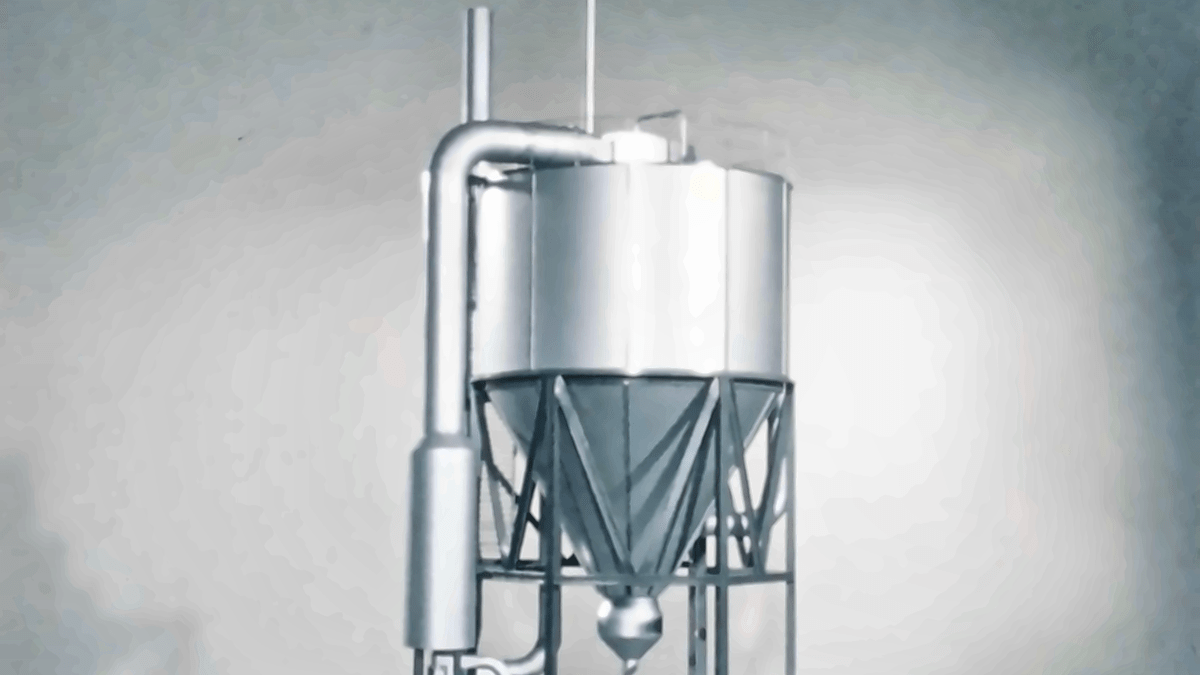
The breakthrough that changed spray drying
In 1976, NIRO engineers responded to a competitive challenge by rethinking what spray drying could do. Their idea became the multi-stage dryer MSD. Fifty years later, the same fundamental principle helps turn liquids into the powders used in essential nutrition products and important medicines around the world. Refined through decades of engineering expertise, customer insight and continuous development, MSD is a story of innovation with lasting impact.
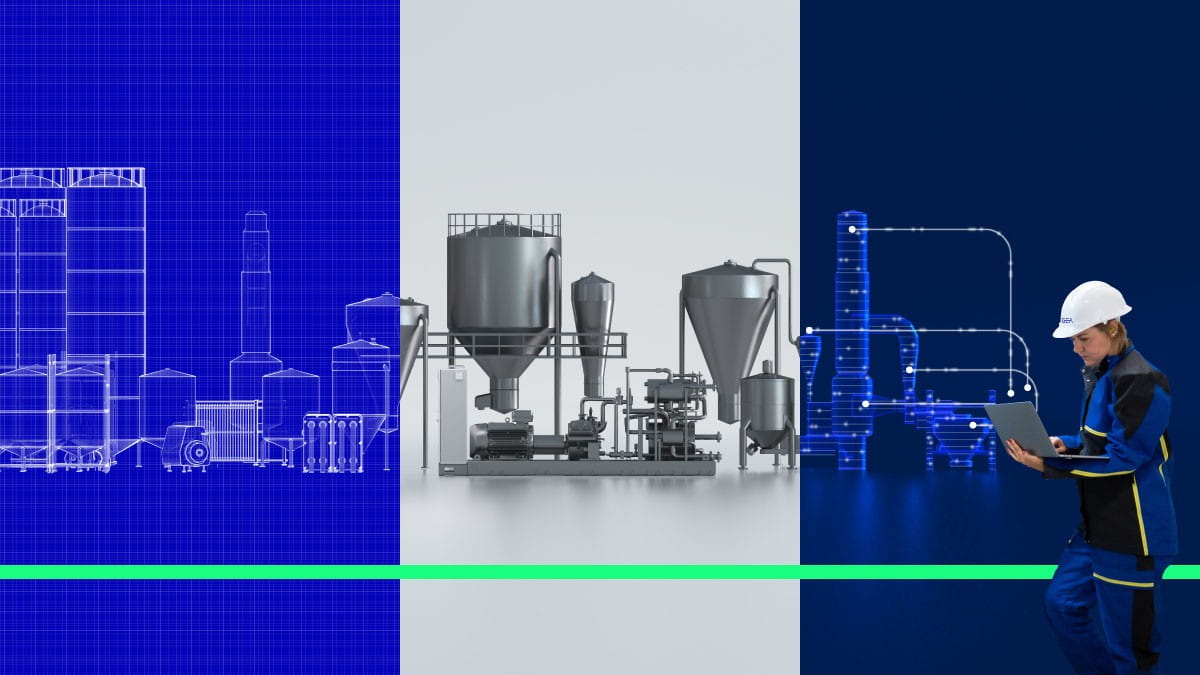
Oltre le macchine: come migliorare le prestazioni dell’impianto
Una macchina efficiente non garantisce automaticamente l'efficienza di uno stabilimento. Il vero miglioramento spesso inizia guardando oltre le singole attrezzature e comprendendo come i processi, i sistemi energetici e le decisioni operative si influenzino a vicenda. Si tratta di un approccio olistico pensato per individuare opportunità che altrimenti potrebbero sfuggire.
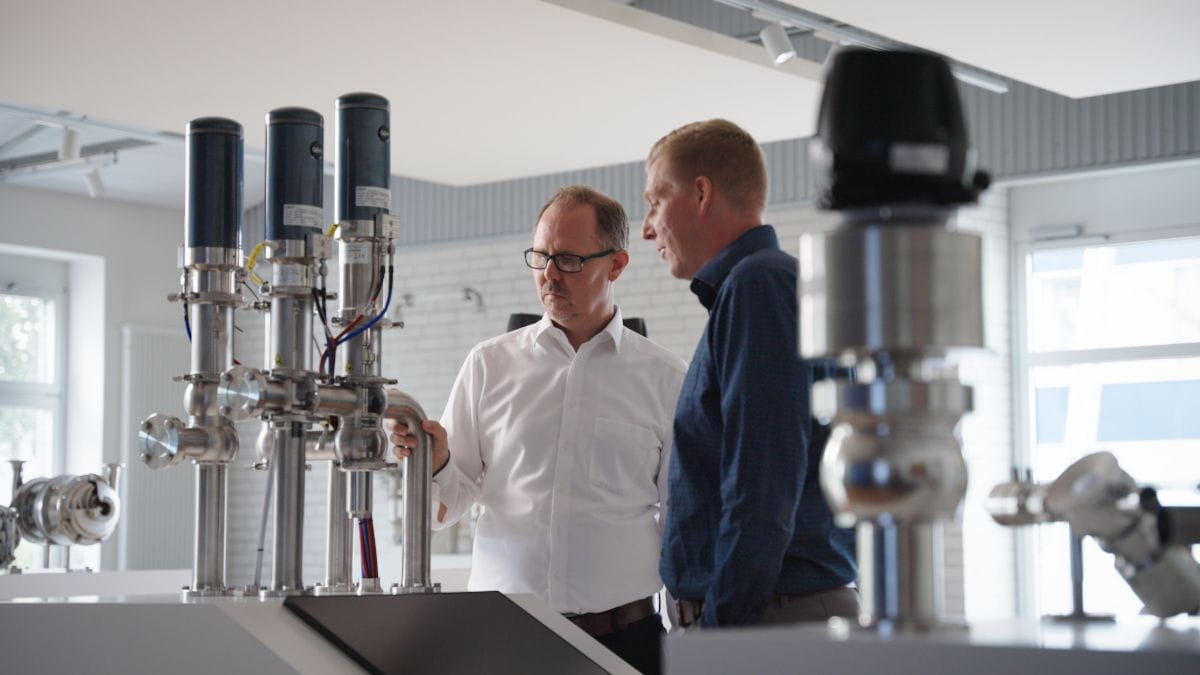
Come una valvola rivoluziona la produzione di alimenti e bevande
Negli impianti di produzione di alimenti e bevande, le valvole vengono solitamente azionate tramite aria compressa. GEA Hydract® Actuation Technology utilizza l'acqua all'interno di un circuito chiuso e controllato digitalmente. Il risultato è una valvola che può essere mantenuta esattamente in posizione e regolata con per piccoli incrementi con grande precisione. Ciò si traduce in un minor consumo energetico e in un maggiore controllo.
