
Consistent and hygienic cleaning-in-place (CIP) solution for small to medium craft breweries. A pre-assembled, skidded design, CIP-STAR® can be customized for flexible use in both hot and cold blocks
How the CIP-STAR® skid works
The CIP-STAR® Skid is a compact and modular CIP station that can be used across the entire brewery plant.
With a choice of buffer tanks available in 10hl or 15hl volumes, CIP-STAR® Skid can be configured to suit your own cleaning needs. Three detergent dosing pumps, and two separate feed lines for hot and cold liquids provide flexibility for simultaneous brewhouse and tank cellar cleaning


CIP-STAR® Skid benefits at a glance
Easy installation – modular, pre-assembled units for easy transportation, installation and set-up.
Agile design – space-saving footprint with compact process module and low-profile horizontal tanks.
Customizable – choose how many CIP buffer tanks you need alongside the main processing module for tailored cleaning.
Versatile cleaning – three detergent dosing pumps (caustics, acid and disinfectant) and separate hot and cold CIP feed lines to carry out a wide range of cleaning tasks.
Technical highlights


Approfondimenti GEA
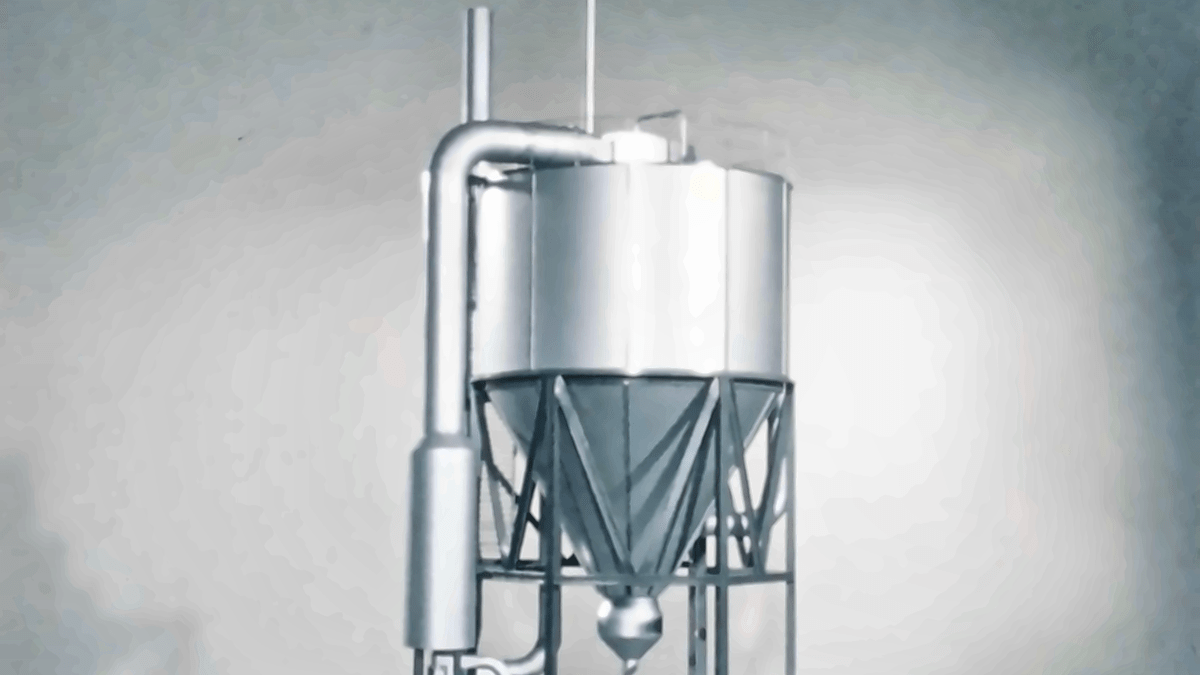
The breakthrough that changed spray drying
In 1976, NIRO engineers responded to a competitive challenge by rethinking what spray drying could do. Their idea became the multi-stage dryer MSD. Fifty years later, the same fundamental principle helps turn liquids into the powders used in essential nutrition products and important medicines around the world. Refined through decades of engineering expertise, customer insight and continuous development, MSD is a story of innovation with lasting impact.
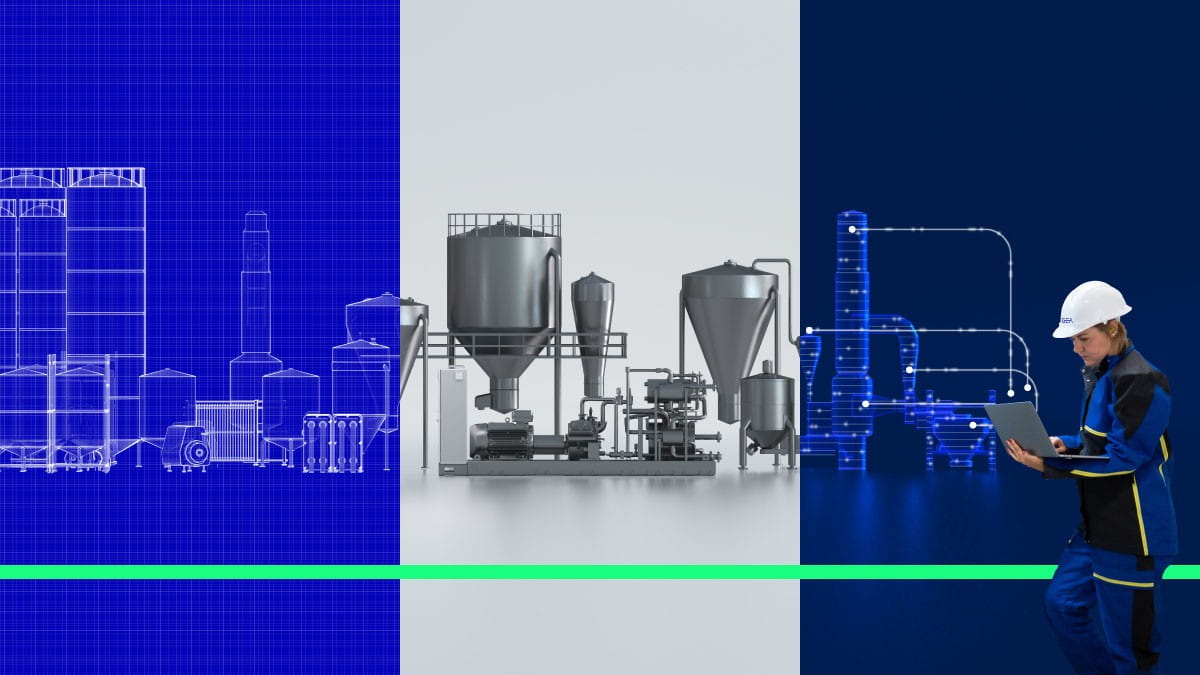
Oltre le macchine: come migliorare le prestazioni dell’impianto
Una macchina efficiente non garantisce automaticamente l'efficienza di uno stabilimento. Il vero miglioramento spesso inizia guardando oltre le singole attrezzature e comprendendo come i processi, i sistemi energetici e le decisioni operative si influenzino a vicenda. Si tratta di un approccio olistico pensato per individuare opportunità che altrimenti potrebbero sfuggire.
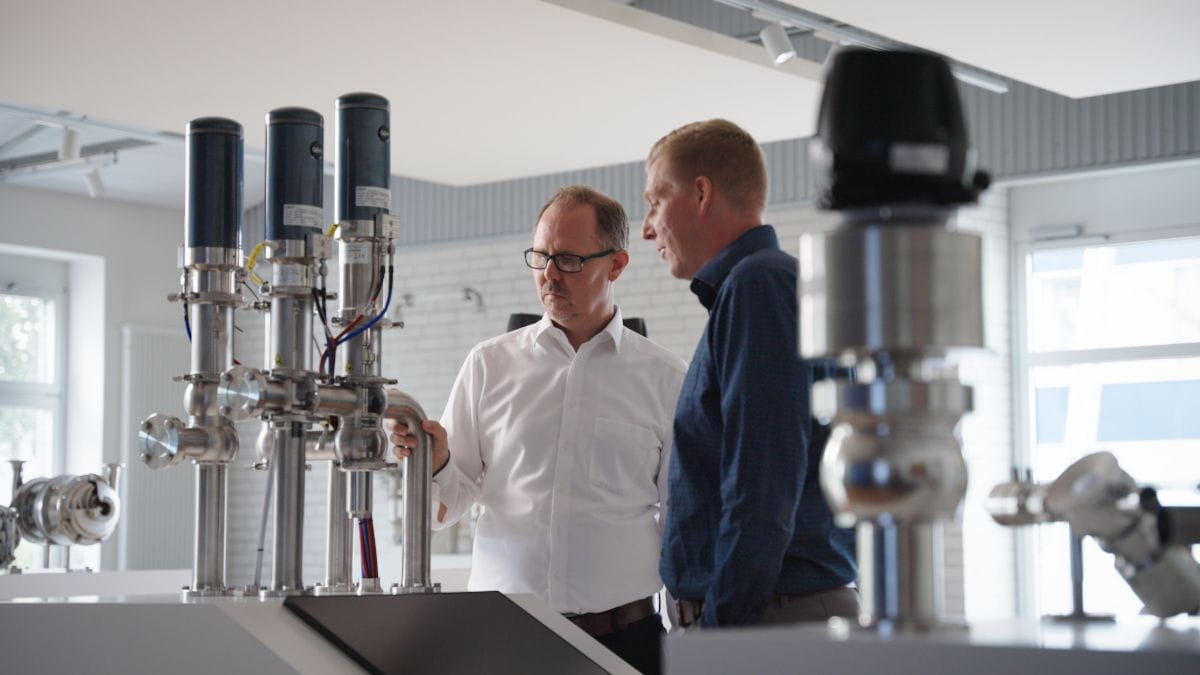
Come una valvola rivoluziona la produzione di alimenti e bevande
Negli impianti di produzione di alimenti e bevande, le valvole vengono solitamente azionate tramite aria compressa. GEA Hydract® Actuation Technology utilizza l'acqua all'interno di un circuito chiuso e controllato digitalmente. Il risultato è una valvola che può essere mantenuta esattamente in posizione e regolata con per piccoli incrementi con grande precisione. Ciò si traduce in un minor consumo energetico e in un maggiore controllo.
