
Manufacturing Hormone and Steroid Drugs: Ensuring Operator Health and Safety
Steroids, endogenous hormones such as estrogen and testosterone and the adrenal cortex hormones, cortisol and aldosterone, play a key role in metabolic processes and have a number of pharmaceutical applications, including contraception, hormone therapy, antirheumatic, antiarthritic and bodybuilding preparations.
Predominantly used in global hormone replacement therapy, the three major segments comprise estrogen, growth and thyroid hormone, and testosterone replacement therapy. A major market driver is the increased awareness of postmenopausal hazards amongst women; others include an aging population, innovative drug delivery systems and the pharmerging economies.
Occupational steroid exposure can occur when the active ingredients are inhaled, ingested or absorbed through exposed skin. Although exposure can occur at any point in the production process, the greatest potential for worker exposure during steroid/hormonal drug production occurs during weighing, material transfer, equipment loading or milling.
Nevertheless, unit operations such as blending, granulation, drying, tablet compression and coating can also present hazards. It can even occur in the packaging area, during sampling and quality control, the testing of raw materials, intermediates and finished products, and during maintenance and cleaning.
Manufacturers have the responsibility to protect their operators, particularly those working with potent and toxic compounds, and set defined areas or controls necessary to eliminate the risk of product cross-contamination on a case-by-case basis.
GEA can help you to achieve these goals. From facility design and layout, manufacturing process controls (including adherence to standard operating procedures) and environmental control systems (HVAC) to extraction systems, industrial hygiene solutions and fully integrated, end-to-end containment solutions. We can advise and assist you to determine what level of containment is required where and when, optimizing the manufacturing process and making it efficient, safe and cost-effective.
Produits et technologies
Affichage de 4 sur 26

Automatisation des procédés
En tant qu’intégrateurs de systèmes, nous associons notre savoir faire en matière de technologie de process et d'engineering aux logiciels de contrôle commande et de supervision développés par des leaders du marché.

Contained Materials Handling Systems
Contained Materials Handling solutions for Primary and Secondary Pharmaceuticals and Healthcare. With extensive experience within the generics sector, supply a wide range of technologies and equipment that improve and enhance the efficiency and performance of Oral Solid Dosage production.

Continuous Direct Compression Line
The ConsiGma® DC for direct compression is the latest expansion of GEA's continuous portfolio for cost effective, compact, high yield manufacturing systems. It offers a robust and flexible manufacturing method for a wide range of products.
Continuous Granulation Lines
Continuous Processing is becoming more and more important in the pharmaceutical industry. GEA takes the lead in introducing this innovative technology with ConsiGma® - continuous high-shear granulation and drying lines.


Downloads
GEA Insights
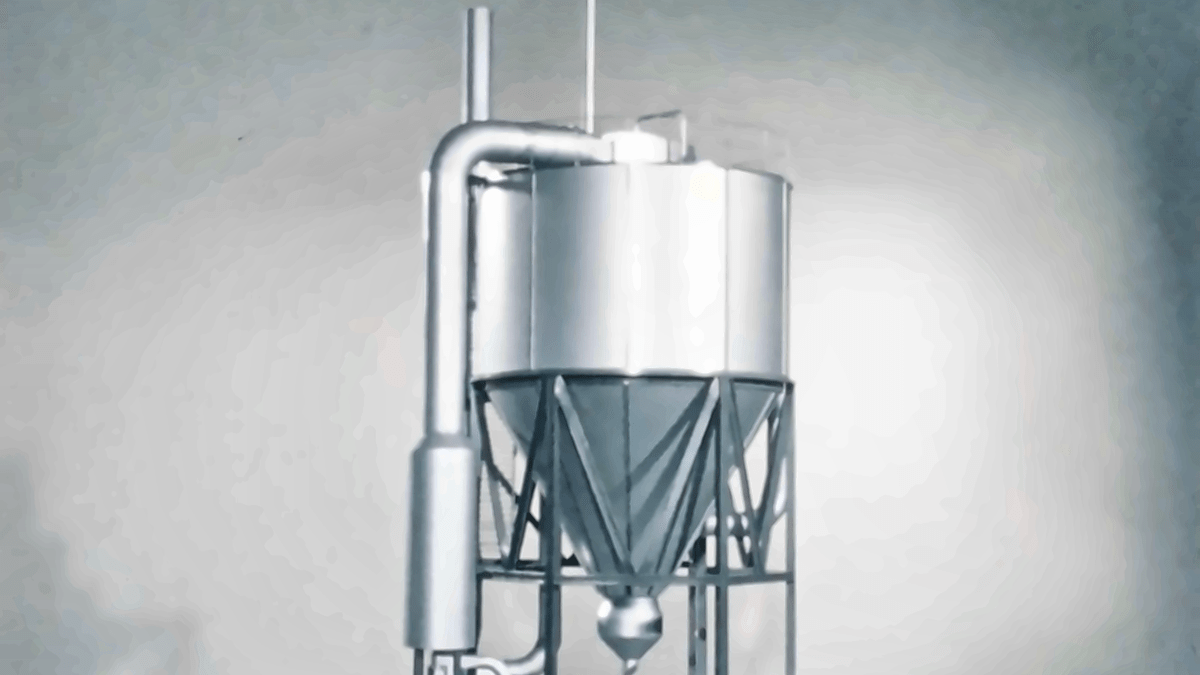
La percée qui a révolutionné le séchage par atomisation
En 1976, les ingénieurs de NIRO répondaient à un défi concurrentiel en repensant ce que pouvait faire le séchage par atomisation. Leur idée est à l'origine du sécheur-atomiseur à plusieurs étages MSD. Cinquante ans plus tard, ce même principe fondamental aide à transformer les liquides en poudres, qui sont utilisées dans des produits nutritionnels essentiels et des médicaments importants partout dans le monde. Perfectionné au cours de plusieurs décennies d'expertise technique, d'enquêtes clientèle et de développement continu, le MSD est une histoire d'innovation aux retombées durables.

Au-delà des machines : exploiter les gisements de performance des installations
Ce n'est pas parce que vous avez des machines efficaces que votre usine l'est. Une trajectoire d'amélioration efficace commence souvent par une analyse qui ne se limite pas aux équipements pris individuellement, et cherche à comprendre comment les processus, les systèmes énergétiques et les décisions opérationnelles s'influencent mutuellement. C'est une démarche holistique, conçue pour repérer des opportunités qui, sans cela, risqueraient de passer inaperçues.

Comment une vanne révolutionne la production des aliments et des boissons
Dans les installations agroalimentaires, les vannes sont généralement actionnées en utilisant de l'air comprimé. La technologie d'actionnement GEA Hydract® Actuation Technology, quant à elle, actionne les vannes en utilisant de l'eau, au sein d'un circuit fermé à commande numérique. Résultat, une vanne peut être maintenue en place de manière exacte et réglée par petits paliers. Cela se traduit par une consommation d'énergie en baisse et un meilleur contrôle.
