


The BUCK® AC Valve from GEA brings solvent-resistant functionality to a range of powder transfer applications in multiple industries.
BUCK® AC Valve Principles
The new BUCK® AC Valve from GEA builds on the functionality and performance of the tried-and-tested MC split butterfly valve. Designed using exactly the same core principles, with two identical half valves that are both driven by a common actuator, the AC has the same footprint as the BUCK® MC Valve and even uses the same control architecture, actuators and other accessories.
The docking system comprises two half valves that are able to independently seal two different containers. A corresponding actuator ring is used to lock and activate the two half valves, which then allows contained powder transfer.
Features and Applications
Complementing GEA’s other pressure-rated valves, the AC has been built to operate at high temperature (up to 150 °C) conditions, and at up to 2.5 bar in the open position and 6 bar in the closed position. Previous versions were only pressure-rated in the closed position.
This next-generation addition to GEA’s valve portfolio also makes it suitable for applications using previously incompatible solvents. The seal in any valve determines its level of solvent resistance, which also governs what types of materials you can work with and process.
And whereas the BUCK® MC Valve continues to be the default choice for the contained transfer of active powders from one vessel to another in oral solid dosage pharmaceutical manufacturing lines, the AC takes this performance to the next level for more physically demanding environments.
Compared with the original MC valve seal, the AC version has been completely reworked to make it smaller, lighter and more sustainable. Reducing both the size (10 times smaller) and weight (80% lighter) of the seal not only makes it easier to produce, it also reduces the amount of raw material use means that there’s less waste when it comes to replacing the wear parts. And, by being able to cost-effectively utilize a more exotic rubber compound in the AC, GEA is now able to provide a valve that’s compatible with a wider range of solvents. In addition, the seal is now also scratch-resistant, which means that the AC valve can be used in both secondary pharmaceutical applications as well as in agrochemical processes and systems for the production of active pharmaceutical ingredients (APIs) wherein alcohol-based and/or organic solvents are widely used.
With regards to flexibility and modularity, the AC valve offers the same options as the MC version.
Designed for both current and future applications, the BUCK® AC Valve confirms GEA’s position as a pioneer in containment solution and is a timely addition to the #ContainedThinking range of high-quality components that address the needs of a broad array of customers. With sustainable sourcing and use in mind, the AC adds high-pressure, high temperature, solvent-resistant performance to almost any campaign and any concept.
Downloads
Productos relacionados

BUCK® MC Containment Valves
BUCK® valves were the first commercially available split valves on the market. Used for the contained transfer of active powders from one vessel to another in pharmaceutical production, BUCK® technology is the result of thousands of successful applications worldwide and more than 15 years of experience.

Digital Canary protects your people
Based on the traditional concept of a live coal-mine canary, the 21st century equivalent from GEA is a continuous real-time monitoring system that’s been designed to detect breaches in contained pharmaceutical production lines. By providing an additional level of monitoring, the Digital Canary reduces the need for routine occupational health chec...
GEA Insights
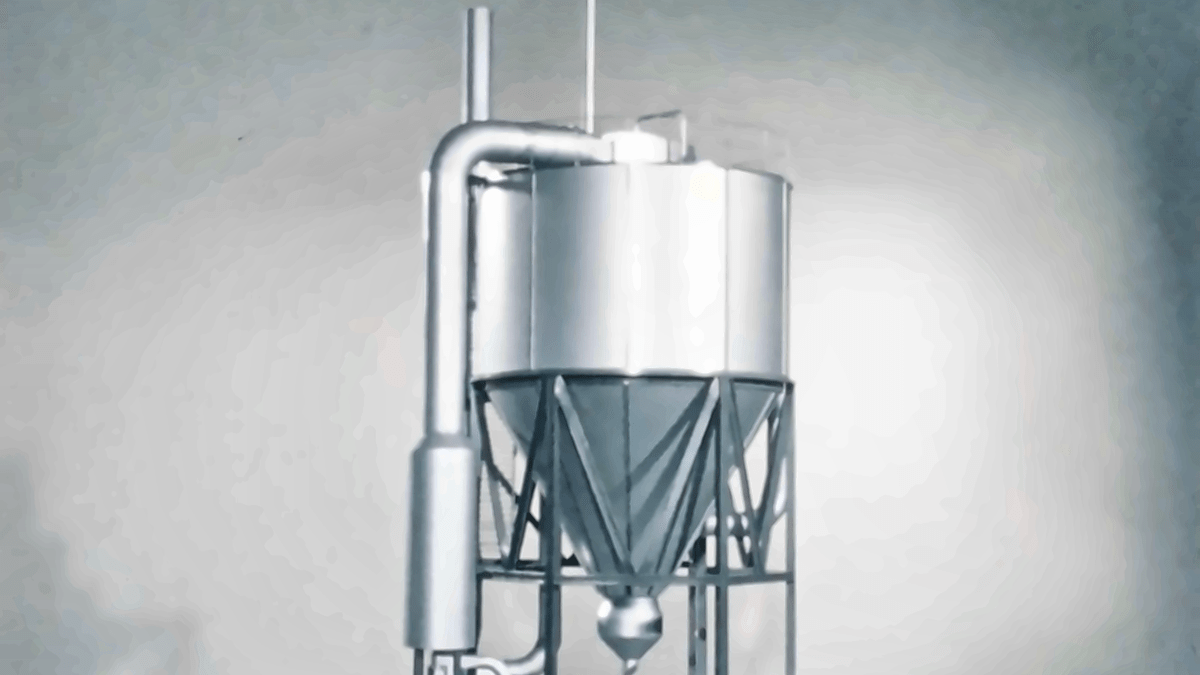
El avance que revolucionó el secado por atomización
En 1976, los ingenieros de NIRO respondieron a un reto competitivo replanteándose las posibilidades del secado por atomización. Su idea se materializó en la torre multietapa MSD. Cincuenta años después, ese mismo principio fundamental contribuye a transformar los líquidos en los productos en polvo que se utilizan en productos nutricionales esenciales y en medicamentos importantes en todo el mundo. Perfeccionada a lo largo de décadas de experiencia en ingeniería, conocimiento de las necesidades de los clientes y desarrollo continuo, la torre de atomización MSD es una historia de innovación con un impacto duradero.

Más allá de la máquina: cómo potenciar el rendimiento de la planta
El hecho de que una máquina sea eficiente no significa que la fábrica lo sea. La mejora real suele comenzar por ir más allá de los equipos individuales y comprender cómo los procesos, los sistemas energéticos y las decisiones operativas se influyen mutuamente. Se trata de un enfoque holístico diseñado para descubrir oportunidades que, de otro modo, podrían pasarse por alto.

Cómo una válvula transforma la manera de elaborar alimentos y bebidas
En las plantas de alimentación y bebidas, las válvulas suelen accionarse mediante aire comprimido. GEA Hydract® Actuation Technology mueve las válvulas mediante agua, en un circuito cerrado controlado digitalmente. El resultado es una válvula que puede mantenerse en su sitio con exactitud y regularse con precisión. Esto se traduce en un menor consumo energético y un mayor control.
