

Combining efficiency with resource savings
Imagine adding value to your utilities savings and contributing to a more sustainable world. Only by choosing a GEA homogenizer.
GEA AirFlow (D&G) is the oil-to-air cooling unit for homogenizers that allows for tangibly reducing the consumption of water for cooling oil. This water‑saving device dissipates heat from the transmission body or drive end (AirFlow D) and gearbox (AirFlow G) using air instead of traditional water‑based methods.
Key benefits
- Efficient oil-to-air cooling unit
- Proved water savings
- Short payback time
Water savings
| Without AirFlow [l/h] | With AirFlow [l/h] | |
|---|---|---|
| Water used for cooling drive end oil | 200 | 0-50* |
| Water used for cooling gearbox oil | 800 | 0-50* |
Resource-efficient configuration for homogenizers
GEA AirFlow is part of the resource-efficient configuration for homogenizers. Learn more >>
*Actual water savings depend on the homogenizer model and specific application.
Productos relacionados

Homogeneizadores Serie Ariete
Las máquinas Ariete son la tecnología más avanzada para los homogeneizadores fiables de alta presión y las soluciones a medida.

ReFlow Water-Saving Unit for Plungers
GEA ReFlow recirculates up to 95% of the plant process water used by high-pressure homogenizers to cool and lubricate plungers, thus making the operation of GEA Homogenizers more resource-efficient.

O.P.S. Sistema de Purificación de Aceite
El sistema de purificación de aceite (O.P.S.) es la unidad de filtración (con by-pass) capaz de mantener la alta calidad del aceite y de garantizar su regeneración continua al eliminar las partículas, agua, gases corrosivos y las impurezas, incrementando la vida útil y calidad del aceite y la seguridad en el equipo.
GEA Insights
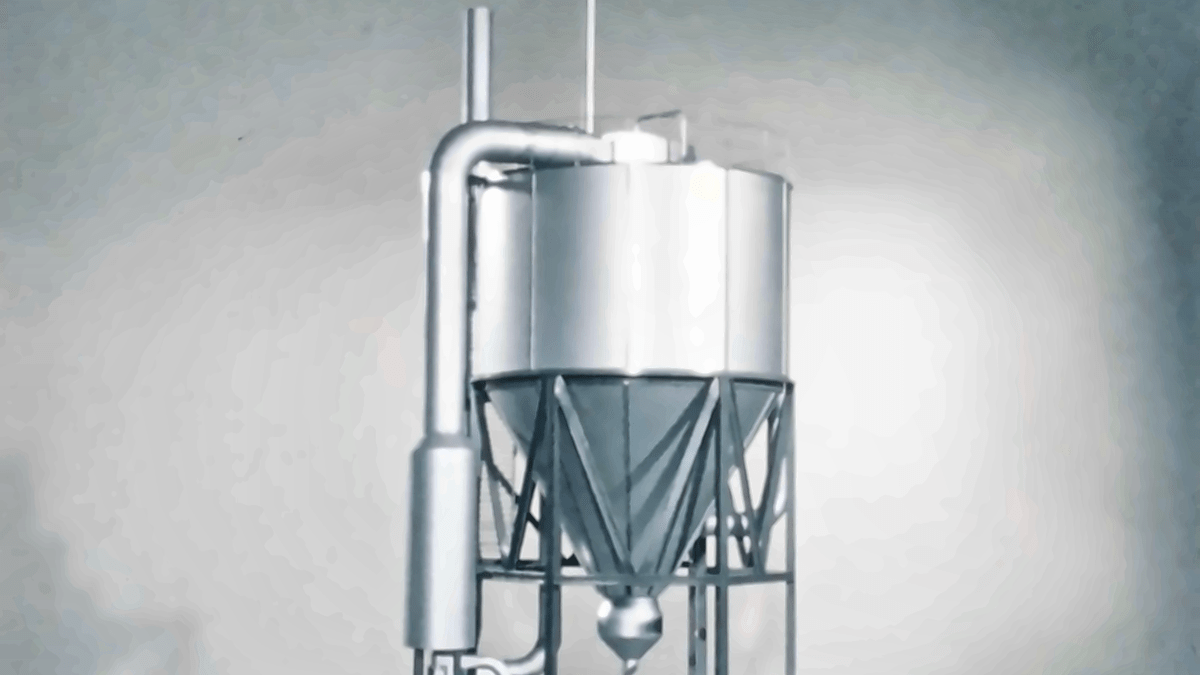
The breakthrough that changed spray drying
In 1976, NIRO engineers responded to a competitive challenge by rethinking what spray drying could do. Their idea became the multi-stage dryer MSD. Fifty years later, the same fundamental principle helps turn liquids into the powders used in essential nutrition products and important medicines around the world. Refined through decades of engineering expertise, customer insight and continuous development, MSD is a story of innovation with lasting impact.
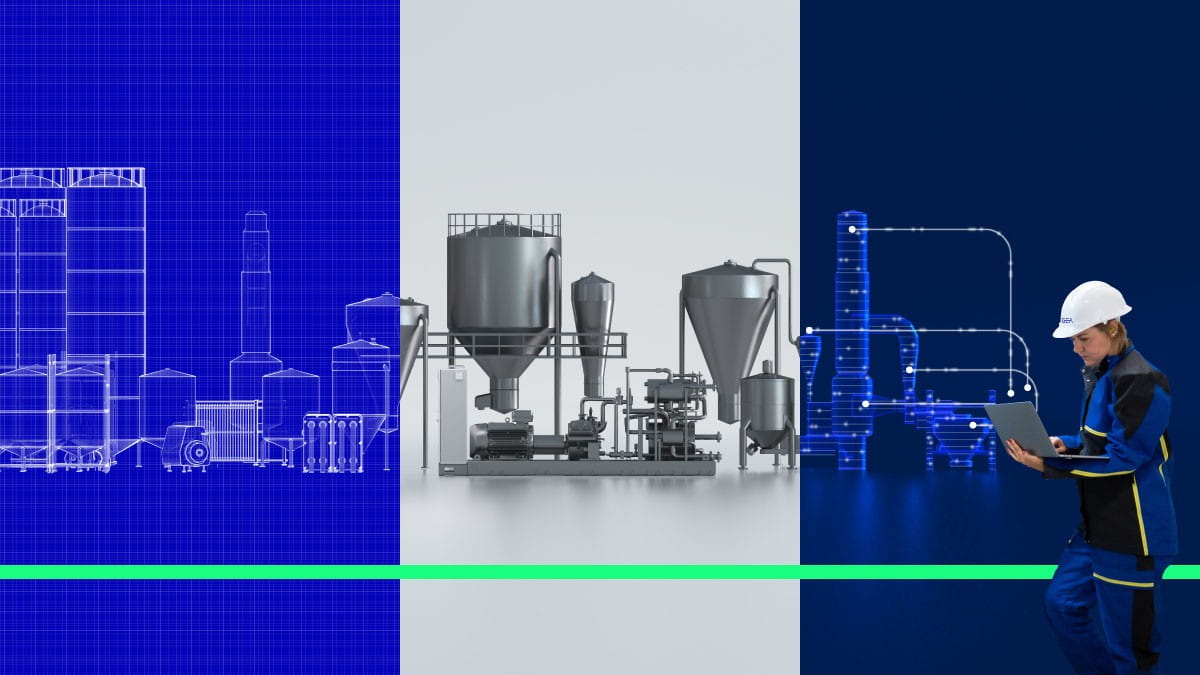
Más allá de la máquina: cómo potenciar el rendimiento de la planta
El hecho de que una máquina sea eficiente no significa que la fábrica lo sea. La mejora real suele comenzar por ir más allá de los equipos individuales y comprender cómo los procesos, los sistemas energéticos y las decisiones operativas se influyen mutuamente. Se trata de un enfoque holístico diseñado para descubrir oportunidades que, de otro modo, podrían pasarse por alto.
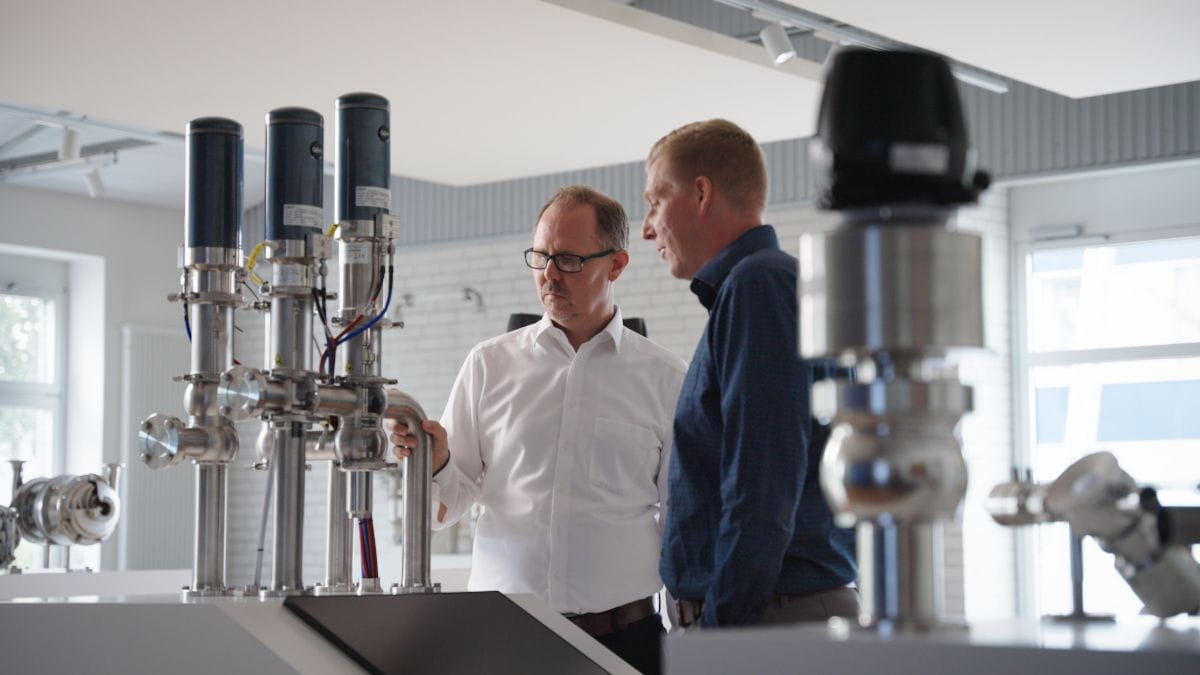
Cómo una válvula transforma la manera de elaborar alimentos y bebidas
En las plantas de alimentación y bebidas, las válvulas suelen accionarse mediante aire comprimido. GEA Hydract® Actuation Technology mueve las válvulas mediante agua, en un circuito cerrado controlado digitalmente. El resultado es una válvula que puede mantenerse en su sitio con exactitud y regularse con precisión. Esto se traduce en un menor consumo energético y un mayor control.
