
Every pharmaceutical plant and system from GEA is a unique union of proven technology and individual solutions. Based on standard components such as bottom- and top-driven high shear granulators, mixers and fluid bed dryers, we supply plants for cGMP production configured to meet the customer’s specific requirements.
For full compliance with national, local and in-house regulations, GEA offers a range of emission control options including solvent recovery systems, outlet filters and full containment plants. Equipment can be supplied to meet explosion-proof and pressure shock standards as required.
Products
Mostrar 4 de 4

Gral High Shear Granulators
Whether the customer’s requirement is for high shear mixing or granulation, GEA has a solution for every processing challenge and can help select the technology that is most suitable for your Pharma application.

PharmaConnect® PLUS
GEA has expanded its popular PharmaConnect® system with the introduction of PharmaConnect®-PLUS, extending the unit’s high shear granulation capacity to encompass batch sizes of up to 60 kg.
PMA High Shear Processor
PMA Bottom-drive High Shear Granulators suitable for the high speed dispersion of dry powders, aqueous or solvent granulations, effervescent production and melt pelletization for Pharmaceutical applications.
UltimaPro Single Pot Processors
UltimaPro Single Pot Processors (One-Pot Processor) offer a choice of mixing, granulation and drying options integrated into one processing vessel. With our help, choose the most appropriate technique for the product.
Downloads
GEA Insights
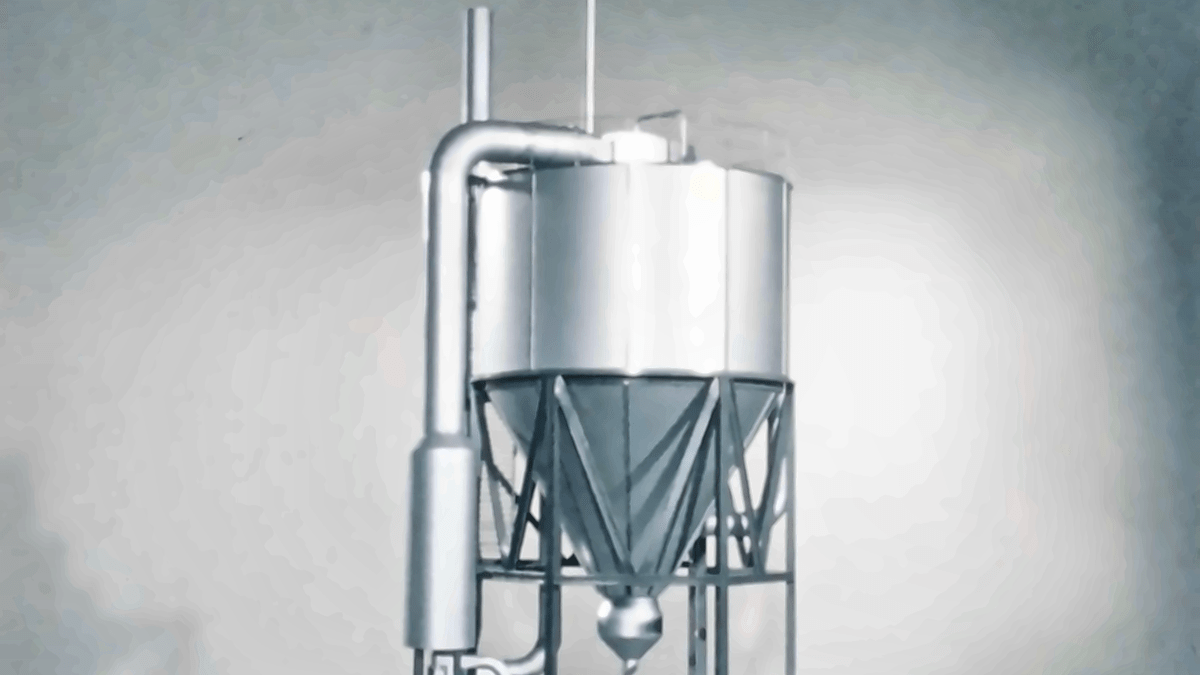
The breakthrough that changed spray drying
In 1976, NIRO engineers responded to a competitive challenge by rethinking what spray drying could do. Their idea became the multi-stage dryer MSD. Fifty years later, the same fundamental principle helps turn liquids into the powders used in essential nutrition products and important medicines around the world. Refined through decades of engineering expertise, customer insight and continuous development, MSD is a story of innovation with lasting impact.
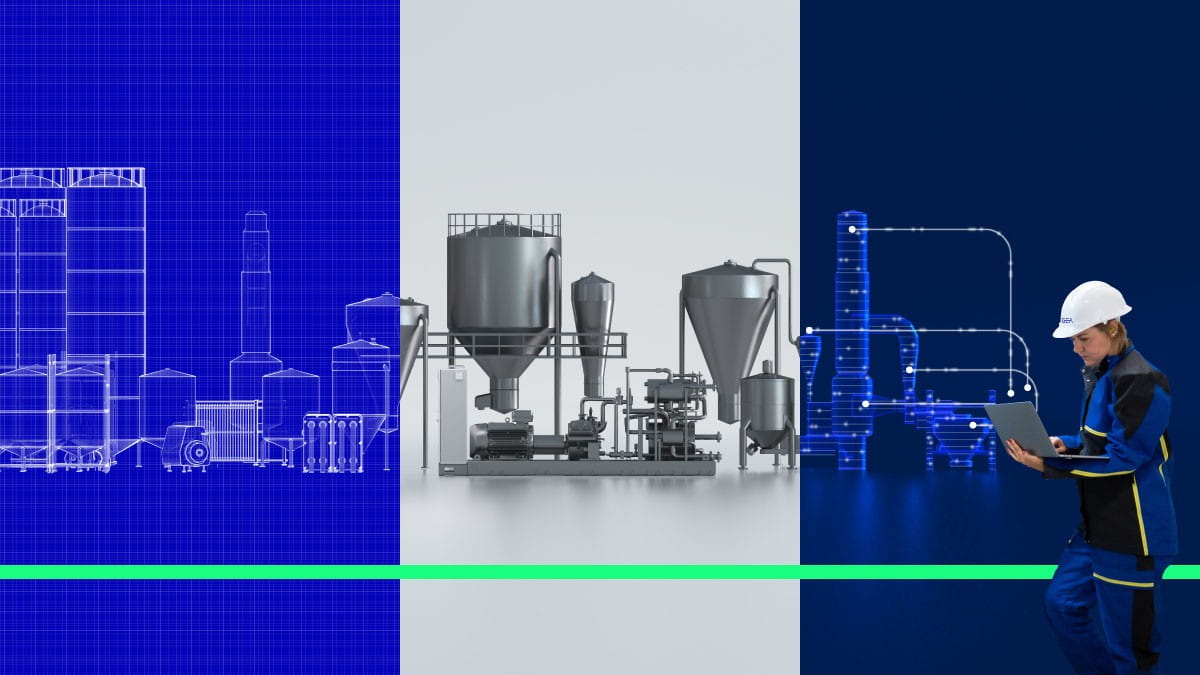
Más allá de la máquina: cómo potenciar el rendimiento de la planta
El hecho de que una máquina sea eficiente no significa que la fábrica lo sea. La mejora real suele comenzar por ir más allá de los equipos individuales y comprender cómo los procesos, los sistemas energéticos y las decisiones operativas se influyen mutuamente. Se trata de un enfoque holístico diseñado para descubrir oportunidades que, de otro modo, podrían pasarse por alto.
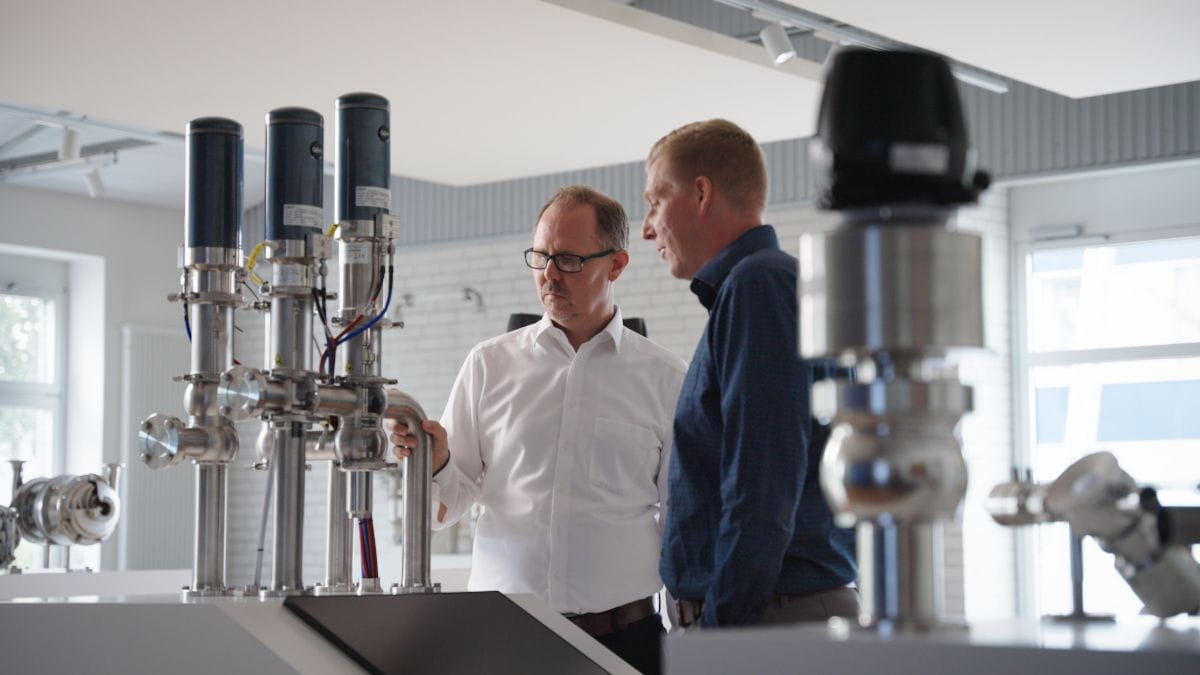
Cómo una válvula transforma la manera de elaborar alimentos y bebidas
En las plantas de alimentación y bebidas, las válvulas suelen accionarse mediante aire comprimido. GEA Hydract® Actuation Technology mueve las válvulas mediante agua, en un circuito cerrado controlado digitalmente. El resultado es una válvula que puede mantenerse en su sitio con exactitud y regularse con precisión. Esto se traduce en un menor consumo energético y un mayor control.
