

GEA offers a comprehensive range of disk-stack separators specifically engineered for the efficient processing of animal fats and proteins.
Whether the objective is maximum fat or protein yields or qualities, efficient defatting of i.e. stickwater streams, whether basic or high sanitary standards, our high-speed separator portfolio for animal by-products provide reliable, proven solutions for every processing requirement.
GEA separators for processing animal by-products are designed for two key process objectives:
Defatting:
Removal of fat from stickwater or presswater
Focus on minimizing fat content in the water phase (= heavy liquid phase)
To achieve the best possible defatting of the water phase, the rising channel in the disk-stack has to be positioned at the stack's center. In the rising channel, the two liquid phases separate from one another; if the channel is positioned close to the disk-stack's center the heavy phase (water) is given as much space as possible inside the disk-stack. This allows even the smallest impurities to be removed from the water.
Polishing:
Final cleaning of fats and oils
Focus on achieving optimal fat quality and purity (= light liquid phase)
If the focus is on a maximally purified light phase - that is, the oil or fat - the rising channel should be positioned on the outside so that the oil phase has as much space as possible inside the disk-stack.
Catcher & Sanitary Design Options
Our separators are available with different catcher configurations, enabling optimal adaptation to sanitary and process needs.
Standard
Cast iron catcher
Food Grade
Stainless steel 1‑piece catcher
Stainless steel 2‑piece catcher (highest hygienic standard)
Sanitary design options

Cast iron catcher
Cost-competitive solution for processes with no CIP and low sanitary standards

One-piece stainless steel catcher
For higher sanitary requirements, CIP-capable

Two-piece stainless steel catcher
For processes with high demands on cleanability and sanitary design, CIP-capable
Why choose GEA separators for animal by-products processing?
- Proven GEA separator technology
- Flexible standardized and customized designs
- Optimized for animal fats and proteins
- Designed for hygienic, reliable, and efficient operation
- Scalable portfolio – from small to high-capacity plants
Downloads
Productos relacionados

Decanters for high-quality animal fat and protein recovery
Decanter centrifuges in sanitary design for the recovery of animal fats and proteins as ingredients in food, petfood and cosmetic applications.

GEA meat Decanter pro series for animal by-products
The GEA meat Decanter pro series is engineered for efficient, robust, and cost-competitive separation for the processing of animal by-products.

Automation & Controls Separation
Even the best centrifuges cannot function optimally if they are not partnered with control systems of equal quality. For their range of separators and decanters, GEA offers standardized as well as tailor-made solutions for machine automation with many features to meet customer requirements.
Productos de servicio


Vídeos relacionados
Direct drive. Direct Impact. Separators with exchangeable direct drives.
Let’s get connected – digital solutions for GEA centrifuges
Let’s get connected – digital solutions for GEA separators and decanters
GEA Insights
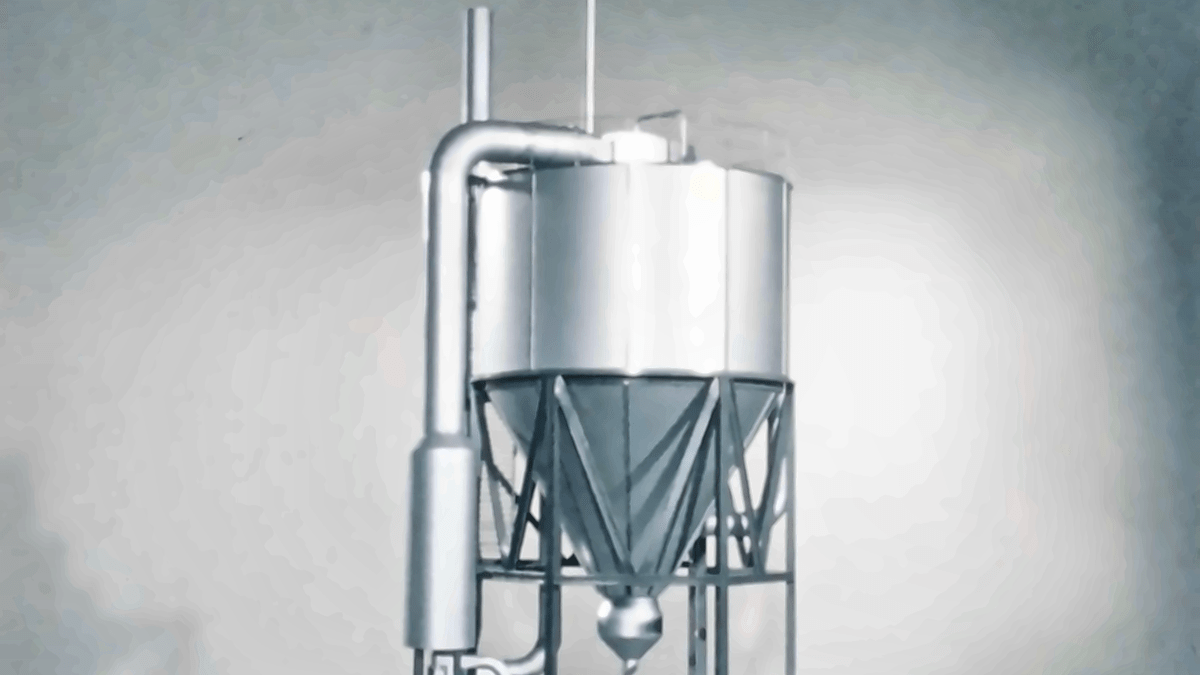
The breakthrough that changed spray drying
In 1976, NIRO engineers responded to a competitive challenge by rethinking what spray drying could do. Their idea became the multi-stage dryer MSD. Fifty years later, the same fundamental principle helps turn liquids into the powders used in essential nutrition products and important medicines around the world. Refined through decades of engineering expertise, customer insight and continuous development, MSD is a story of innovation with lasting impact.
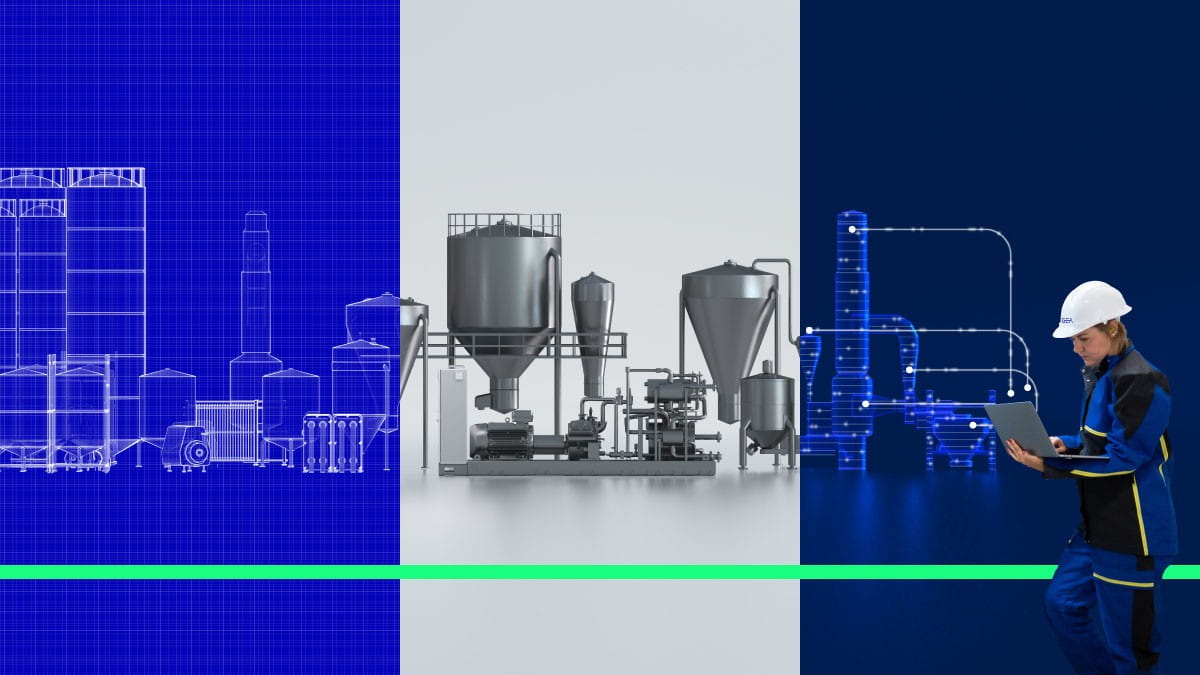
Más allá de la máquina: cómo potenciar el rendimiento de la planta
El hecho de que una máquina sea eficiente no significa que la fábrica lo sea. La mejora real suele comenzar por ir más allá de los equipos individuales y comprender cómo los procesos, los sistemas energéticos y las decisiones operativas se influyen mutuamente. Se trata de un enfoque holístico diseñado para descubrir oportunidades que, de otro modo, podrían pasarse por alto.
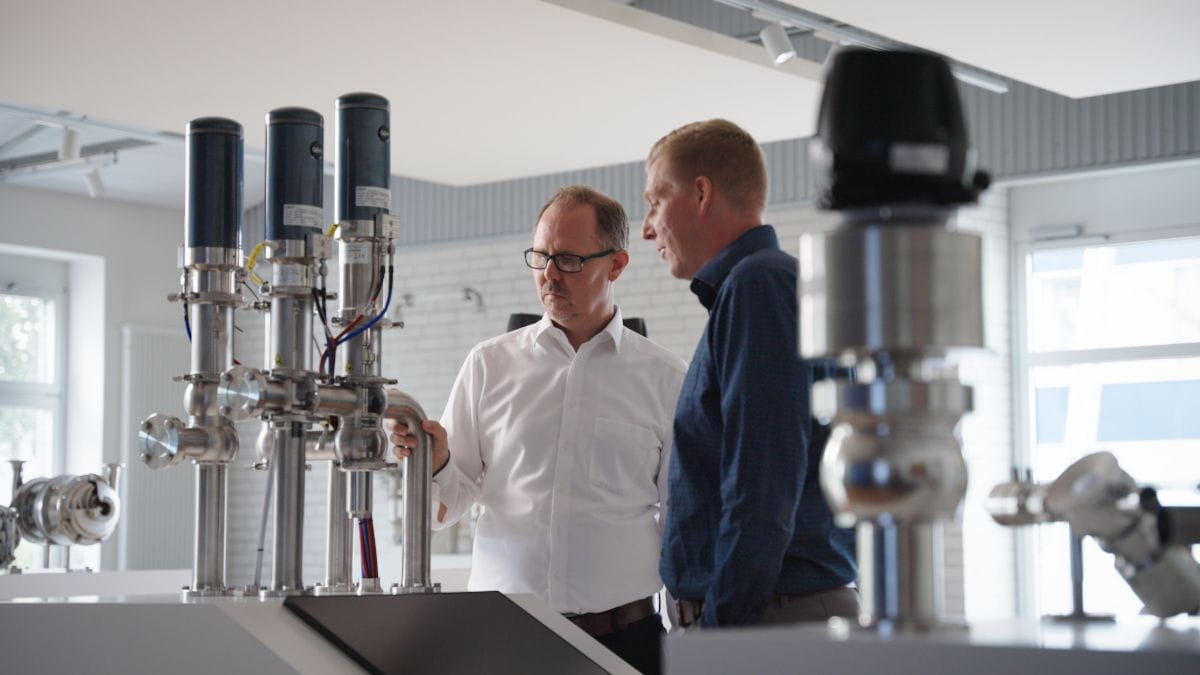
Cómo una válvula transforma la manera de elaborar alimentos y bebidas
En las plantas de alimentación y bebidas, las válvulas suelen accionarse mediante aire comprimido. GEA Hydract® Actuation Technology mueve las válvulas mediante agua, en un circuito cerrado controlado digitalmente. El resultado es una válvula que puede mantenerse en su sitio con exactitud y regularse con precisión. Esto se traduce en un menor consumo energético y un mayor control.
