
The vast majority of ocean-going vessels run on heavy fuel oil. This contributes to about 3 percent of global CO2 emissions and ship owners need to consider more sustainable fuel sources. The switch to alternative fuels is necessary to limit greenhouse gas emissions in international maritime transport as quickly as possible and to achieve the IMO's CO2reduction targets.

Potential of biofuels for shipping
Among the various fuel solutions available to ship operators, biofuels offer a good alternative. Carbon emissions are lower compared to fossil fuels and sustainability criteria can be met.
Existing engines can generally use biofuels without major fuel line modifications. Therefore, biofuels are already seen as a bridge fuel for future fuels and are being used as a retrofit for existing vessels to achieve initial energy and CO2 savings.
GEA biofuel Separators
GEA biofuel Separators are specifically designed for the unique characteristics of biofuels, efficiently separating water and contaminants to meet the stringent requirements of the industry.
GEA also offers the option of upgrading older generations such as OSC, OSD, and OSE Separators to make them compatible with the unique characteristics of biofuels. For many years, GEA separators, regardless of generation, have proven excellent separation performance for biofuels on board ships.
Productos y tecnologías
Mostrar 0 de 0

Pushing the limits. The GEA marine Separator.

GEA marine Upgrade Kit for separators
Downloads
GEA Insights
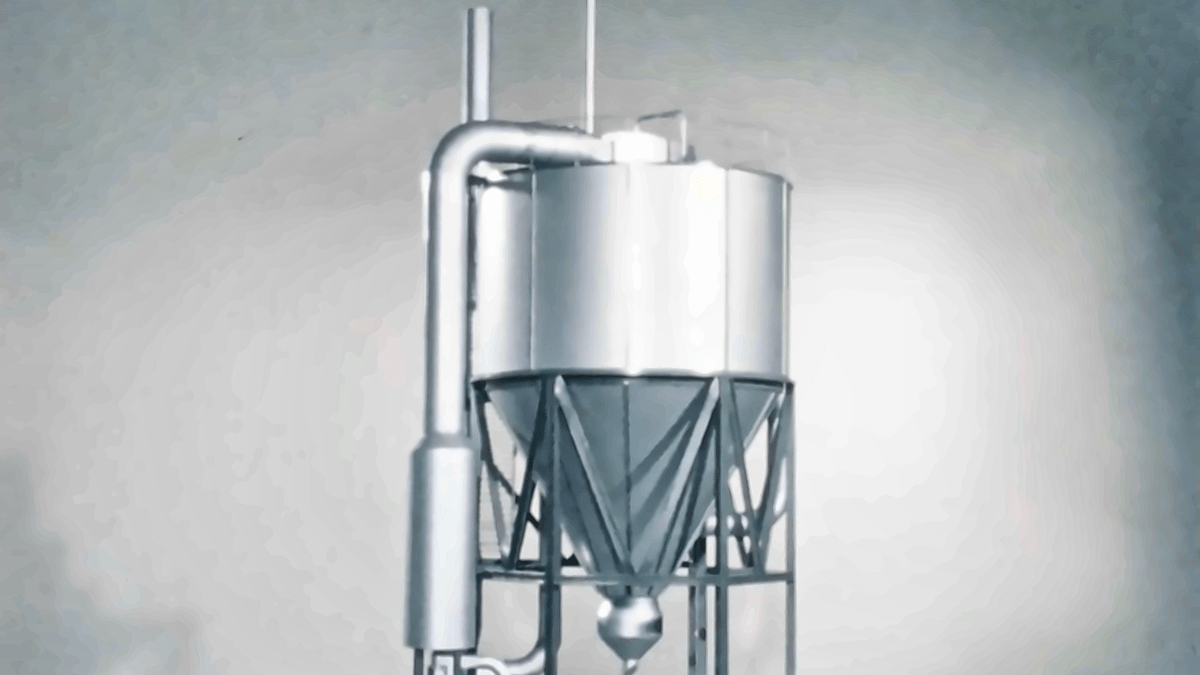
The breakthrough that changed spray drying
In 1976, NIRO engineers responded to a competitive challenge by rethinking what spray drying could do. Their idea became the multi-stage dryer MSD. Fifty years later, the same fundamental principle helps turn liquids into the powders used in essential nutrition products and important medicines around the world. Refined through decades of engineering expertise, customer insight and continuous development, MSD is a story of innovation with lasting impact.

Más allá de la máquina: cómo potenciar el rendimiento de la planta
El hecho de que una máquina sea eficiente no significa que la fábrica lo sea. La mejora real suele comenzar por ir más allá de los equipos individuales y comprender cómo los procesos, los sistemas energéticos y las decisiones operativas se influyen mutuamente. Se trata de un enfoque holístico diseñado para descubrir oportunidades que, de otro modo, podrían pasarse por alto.

Cómo una válvula transforma la manera de elaborar alimentos y bebidas
En las plantas de alimentación y bebidas, las válvulas suelen accionarse mediante aire comprimido. GEA Hydract® Actuation Technology mueve las válvulas mediante agua, en un circuito cerrado controlado digitalmente. El resultado es una válvula que puede mantenerse en su sitio con exactitud y regularse con precisión. Esto se traduce en un menor consumo energético y un mayor control.
