

The VARITOP® tank safety system is a modular system for individual applications. It is used for tank cleaning, for protection against impermissible overpressure and underpressure, as well as for the aeration and degassing of tanks.
GEA offers different types of safety valves: Hygienic vacuum valves protect pipelines as well as tanks in processing plants from inevitable vacuums (such as after sterilization). Our safety valves reliably protect process plants from overpressure.
Control valves serve as actuators in control loops. In this context, the respective control valve functions as a throttling device that sets the desired flow rate by changing the pressure drop in a pipeline.
The modular design of the VARIVENT® system offers the possibility to individually adapt control valves to specific process requirements.
Products
Showing 4 of 10

Vacuum valve Aseptomag®
Hygienic vacuum valves are used to secure lines in processing plants against impermissibly occurring vacuums.

VARINLINE® Sampling valves
These valves are used for taking random samples for monitoring the biological condition of product lines. Suitable products: media without suspended particles and of low viscosity, e.g. water, beer, milk, juices without fruit pulp.

VARITOP® Tank safety systems
The tank safety system VARITOP® is a modular system based on standardized components. VARITOP® is used for tank cleaning, to protect tanks against inadmissible overpressure and vacuum and for controlled gassing and degassing.

VARIVENT® Constant pressure valve
VARIVENT® constant pressure valves are used to adjust the inlet pressure of the valve on a constant level. In case of any process-related pressure fluctuations, the valve opens or closes to compensate them. The needed product pressure will set through the air supply pressure to the actuator. Therefore a constant air control pressure is required.
Downloads

GEA Insights
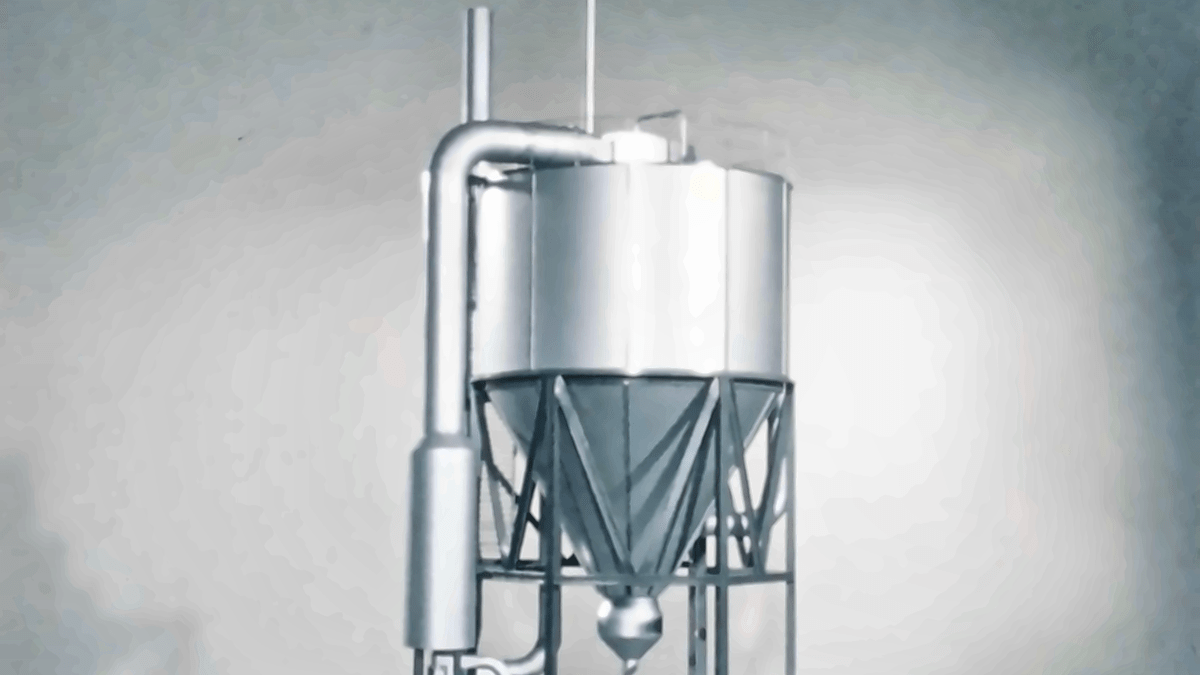
The breakthrough that changed spray drying
In 1976, NIRO engineers responded to a competitive challenge by rethinking what spray drying could do. Their idea became the multi-stage dryer MSD. Fifty years later, the same fundamental principle helps turn liquids into the powders used in essential nutrition products and important medicines around the world. Refined through decades of engineering expertise, customer insight and continuous development, MSD is a story of innovation with lasting impact.
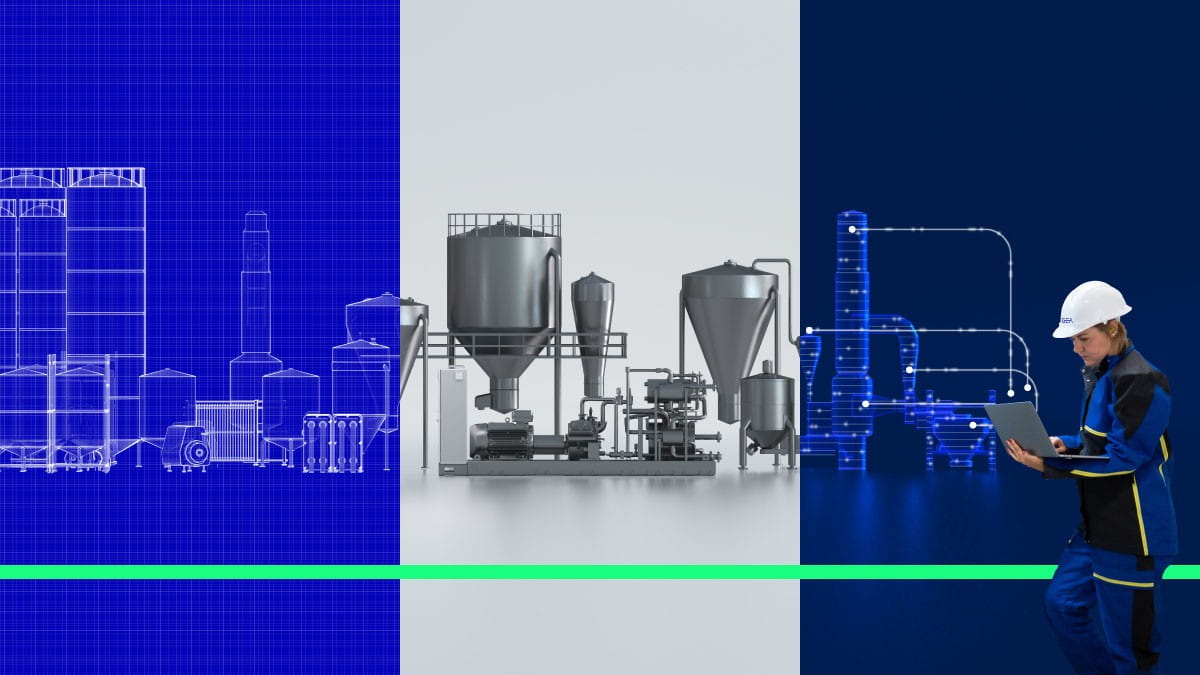
Beyond the machine: unlocking better plant performance
An efficient machine does not automatically make an efficient factory. Real improvement often starts by looking beyond individual equipment and understanding how processes, energy systems and operating decisions affect one another. It’s a holistic approach designed to uncover opportunities that might otherwise be missed.
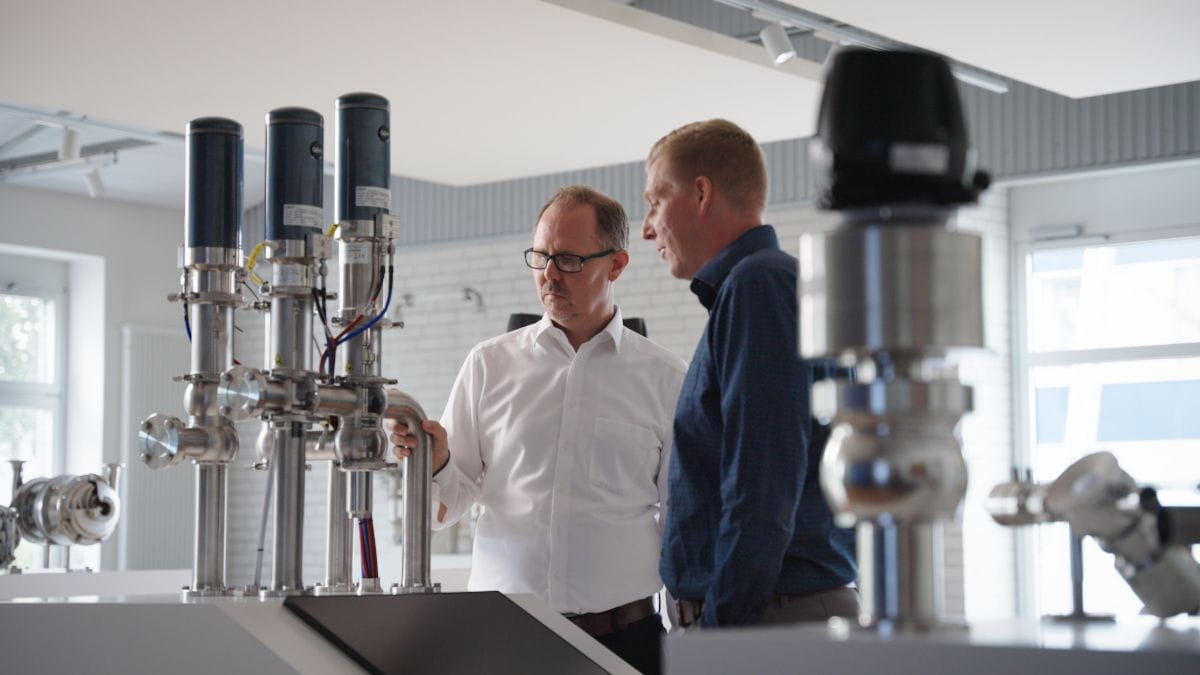
How a valve reshapes the way food and drinks are made
In food and beverage plants, valves are commonly operated using compressed air. GEA Hydract® Actuation Technology moves valves with water instead, in a closed, digitally controlled circuit. The result is a valve that can be held exactly in place and steered in fine-tuned steps. This results in lower energy use and greater control.
