


Corresponds to the highest hygiene requirements
Only high-quality materials are used for the GEA Hilge HYGIA, which have been carefully selected for use in hygienic processes and meet the highest hygiene standards worldwide. The housings, for example, are made of deep-drawn CrNiMo rolled steel and have a smooth, pore- and blowhole-free surface (Hygienic Design). This ensures optimum cleanability and high process reliability for a wide variety of applications in the beverage, food, dairy and pharmaceutical industries.
Flexible and individually optimized pump series
The GEA Hilge HYGIA also offers a high degree of flexibility.
Thanks to its great variability in connections and mountings, the HYGIA can be ideally adapted to individual customer requirements. Thanks to the extensive range of mechanical seals, an optimum sealing solution is available for every pumped medium.
The stepless alignment of the discharge port and different housing variants for up to 25 bar system pressure make the pump a flexible component in any system.
The various impeller sizes and geometries make the pumps highly efficient. Additional flexibility can be achieved by operation on an integrated frequency converter.
Certified pump design
The CIP and SIP capable HYGIA pumps facilitate the qualification of the pump in the plant through extensive customer and requirement specific documentation and certificates like EHEDG, 3-A, FDA. Thanks to the mechanical seal optimally positioned in the pump, a flushed design can often be avoided. In addition, the pump in completely self-draining if installed vertically, even without a drain valve.
Suitable also for ATEX areas
For pumps that are used in potentially explosive areas, the HYGIA is available in the Adapta variant. This design, which has an EC declaration of conformity in accordance with the ATEX guideline 2014/34/EU, can be used in device categories 2 and 3.
Service-friendly concept due to quick and easy replacement of wearing parts
The quick-opening pump housing of the HYGIA series allows easy access to wearing parts. One sealing concept for the entire centrifugal pump portfolio minimizes the stocking of wear parts logistics, which is a clear advantage in terms of cost and availability for customers.
The patented Adapta design allows quick and easy motor replacement, where the pump can remain in the pipeline. Thus, revalidation of the system after an engine change is not necessary for pharmaceutical applications.
GEA Hilge Fast Track Program – We give you priority
For emergencies or when fast delivery within two days is required, we have developed the GEA Hilge Fast Track program. Each pump within the program is ready to ship in 2 days, Guaranteed! Here you can find the models and information about the ordering process.
Wide range of applications for the premium centrifugal pump
The GEA Hilge HYGIA pump can be used flexibly for all areas of application where reliable hygienic pump functionality is required. These include:
Beverage:
- Beer (incl. wort, mash, yeast)
- Alcoholic drinks
- Juices and concentrates
- Soft drinks
- CIP
Dairy:
- Milk
- Milk-mix drinks
- CIP
- WFI (water for injection)
- Infusion
- Insulin
- Blood and blood plasma
- Nutrient solutions
- CIP
Food:
- Flavors
- Proteins
- Liquid food
- Oils
- CIP
Technical data
| GEA Hilge HYGIA | 50 Hz | 60 Hz |
|---|---|---|
| Flow | 170 m³/h | 170 m³/h |
| Head | 77 m | 110 m |
| Operating temperature | up to 95 °C (150 °C upon request) | |
| Sterilization temperature | up to 140 °C (SIP) | |
| Operating pressure | PN 16 (PN 25 upon request) | |
Design variants
| Standard variants | Description |
|---|---|
| GEA Hilge HYGIA Adapta | Close-coupled pump with bearing bracket and coupling, horizontal installation |
| GEA Hilge HYGIA Adapta-SUPER | Close-coupled pump with bearing bracket and coupling, horizontal installation, motor with stainless steel shroud |
| GEA Hilge HYGIA K | Close-coupled pump with plug-in shaft connection, horizontal installation (up to 22kW) |
| GEA Hilge HYGIA K-SUPER | Close-coupled pump with plug-in shaft connection, motor with stainless steel shroud, horizontal installation |
| Variations upon request | Description |
|---|---|
| GEA Hilge HYGIA tronic | Motor with built-in frequency converter (up to 22 kW) |
GEA Hilge HYGIA - Performance curves


A wide variety of sealing options are available for customers to choose from
- Single mechanical seals in sterile execution
- Double mechanical seals (tandem or back-to-back)
- Standard seal face material: carbon/stainless steel and SiC/SiC
- Standard O-ring material: EPDM or FKM
- Additional designs and materials available upon request

HYGIA pumps prove versatility in isomaltulose production


GEA Hilge HYGIA pump from 1972 | Quality pays dividends
Based in Bischberg in the German region of Franconia, the Hausbrauerei Zur Sonne may be a microbrewery but the modern family business takes a macro view of technology. GEA Hilge HYGIA pumps fit into that approach and have been passed down from one generation to the next.

Hygienic Pumps for pharma and biopharma applications

Built to last – 60 years of HYGIA premium hygienic pumps
Downloads
Related Products

GEA Hilge HYGIA H
The high-pressure version of the proven HYGIA series for the dairy, food and beverage industry.

GEA Hilge CONTRA
The GEA Hilge CONTRA pump series includes single- and multi-stage end-suction centrifugal pumps designed according to Qualified Hygienic Designs (QHD) criteria for certified safety and maximum adaptation options to demanding processes.

GEA Hilge MAXA
Single-Stage End-Suction Centrifugal Pumps for Advanced Applications

GEA Hilge NOVALOBE
Revolutionary Design for Viscous Media - The GEA Hilge NOVALOBE range is specifically designed for viscous media – and for applications where gentle pumping or dosing is required.

Service videos
GEA Hygienic pumps
Related Videos
GEA Hilge HYGIA Hygienic Pump Animation
The Pulse of Bodenheim - The global Center of Competence for Hygienic Pumps
The Pulse of Global Manufacturing
GEA Insights
The breakthrough that changed spray drying
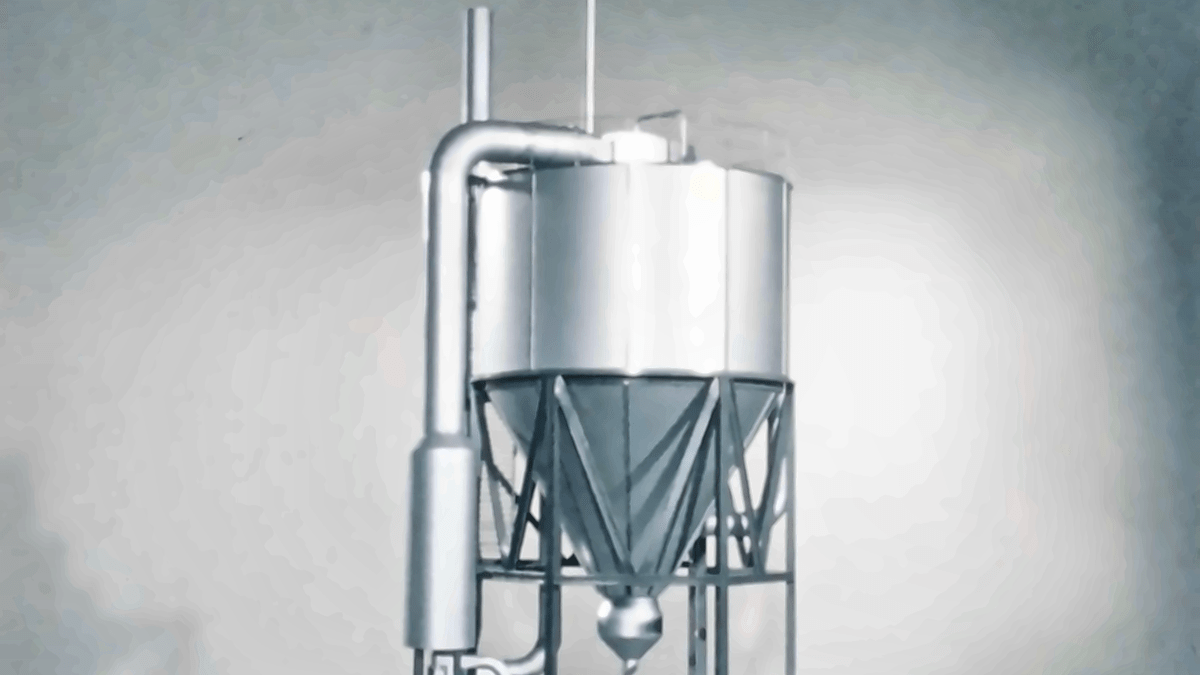
In 1976, NIRO engineers responded to a competitive challenge by rethinking what spray drying could do. Their idea became the multi-stage dryer MSD. Fifty years later, the same fundamental principle helps turn liquids into the powders used in essential nutrition products and important medicines around the world. Refined through decades of engineering expertise, customer insight and continuous development, MSD is a story of innovation with lasting impact.

Beyond the machine: unlocking better plant performance
An efficient machine does not automatically make an efficient factory. Real improvement often starts by looking beyond individual equipment and understanding how processes, energy systems and operating decisions affect one another. It’s a holistic approach designed to uncover opportunities that might otherwise be missed.
How a valve reshapes the way food and drinks are made
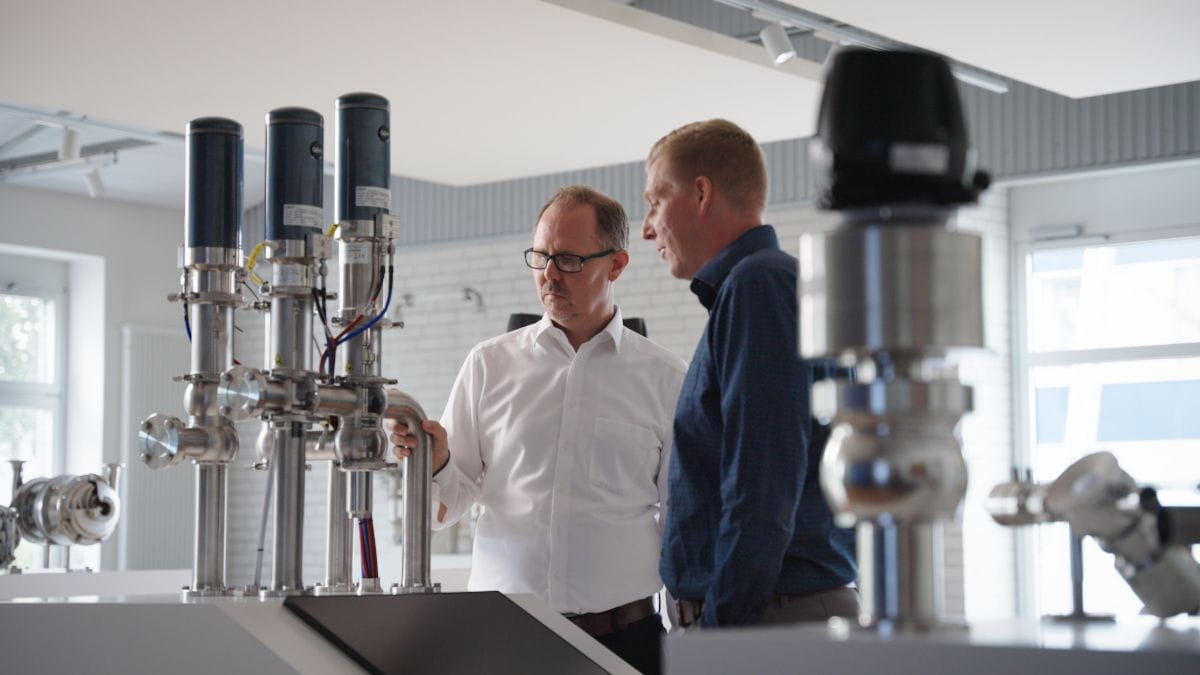
In food and beverage plants, valves are commonly operated using compressed air. GEA Hydract® Actuation Technology moves valves with water instead, in a closed, digitally controlled circuit. The result is a valve that can be held exactly in place and steered in fine-tuned steps. This results in lower energy use and greater control.
