

The process of offering a product of the tradition, requires maximum precision in both size and composition of the dough, which comes from years of experience and innovation developed through a close relationship with clients and final consumers. The final product is excellent both in terms of quality when cooked, and precision of form and color.
Calibration Rollers

The rollers simulate the manual rolling movement and achieve same results in terms of quality. Thanks to their particular structure, made of a stainless steel mesh, the rollers allow the product to be separated according to the dimensions required by the client, and to simplify maintenance and cleaning operations.
Steam cooker

GEA technology has permitted the development of a steam cooker which is able to produce high quality couscous using very little energy. The correctly sized product coming from the calibration rollers is evenly spread out throughout the conveyor belt by a screw feeder. Here the couscous is evenly cooked by vapor injected from the bottom and rising to the top throughout the cooker. At the end of the process the two crushing axles mix and turn the grains of couscous all along the conveyor belt in such a way as to avoid the creation of clusters and favor even gelatinization.
Rotary dryer

The rotary dryer, which was designed specifically for the couscous lines, is extremely efficient ensuring simplicity of use and cleaning. It works with a wide range of temperatures (up to 130 °C) and has a large free surface area, which maximizes the flow of air. High efficiency is made possible by its special structure, which keeps the couscous in constant movement and rapidly dries the grains, as well as a product recovery and recycling system which reduces losses to zero.
Downloads

Get the GEA Cous Cous brochure.
Discover the full potential of complete cous cous production lines with our explanatory brochure. Learn the secrets of how to respect tradition using industrial processes.
GEA Insights
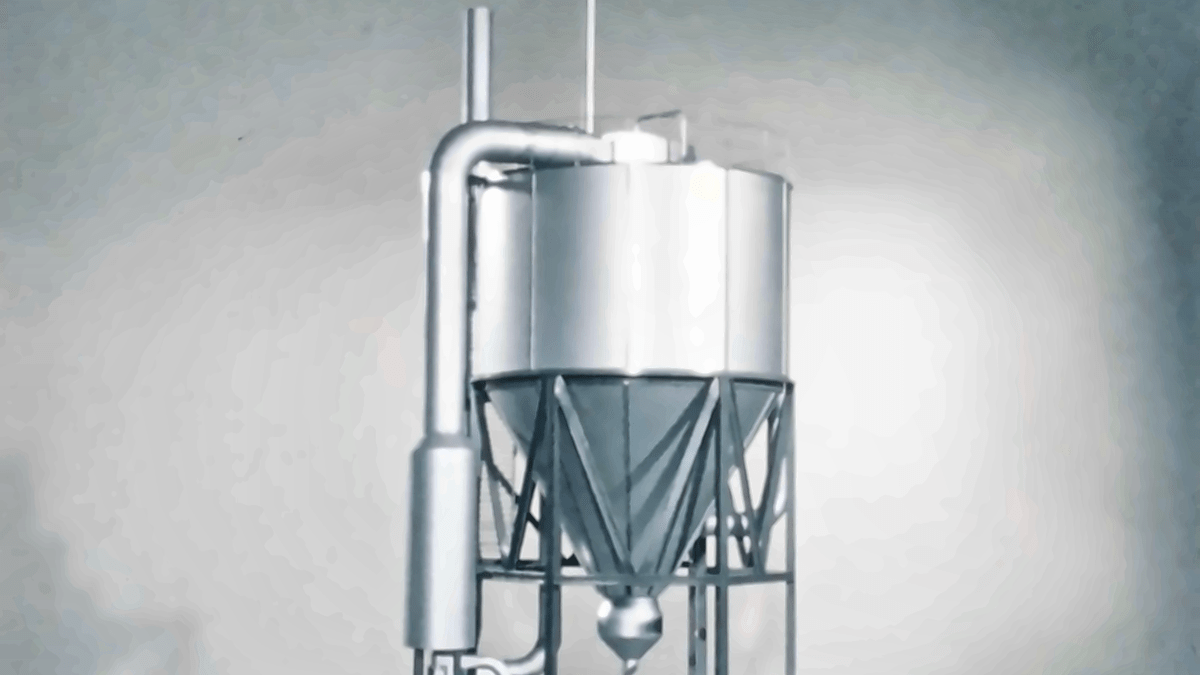
The breakthrough that changed spray drying
In 1976, NIRO engineers responded to a competitive challenge by rethinking what spray drying could do. Their idea became the multi-stage dryer MSD. Fifty years later, the same fundamental principle helps turn liquids into the powders used in essential nutrition products and important medicines around the world. Refined through decades of engineering expertise, customer insight and continuous development, MSD is a story of innovation with lasting impact.

Beyond the machine: unlocking better plant performance
An efficient machine does not automatically make an efficient factory. Real improvement often starts by looking beyond individual equipment and understanding how processes, energy systems and operating decisions affect one another. It’s a holistic approach designed to uncover opportunities that might otherwise be missed.
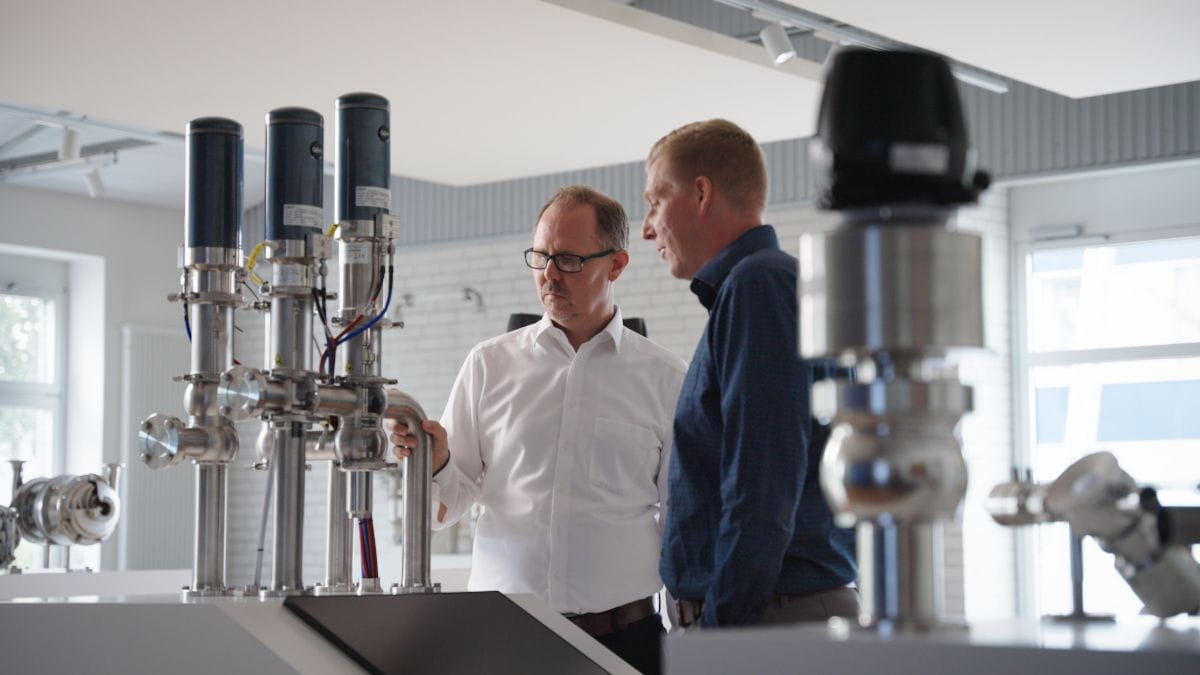
How a valve reshapes the way food and drinks are made
In food and beverage plants, valves are commonly operated using compressed air. GEA Hydract® Actuation Technology moves valves with water instead, in a closed, digitally controlled circuit. The result is a valve that can be held exactly in place and steered in fine-tuned steps. This results in lower energy use and greater control.
