
Key Features.

Higher capacity with shorter processing times.
Boost Performance.
- Up to +10% productivity thanks to direct discharge from the press to the pre dryer.
- Up to –20% total drying time enabled by an improved pre drying section and a completely renewed ventilation concept.
- More efficient airflow management ensures a stronger drying effect, better reliability and reduced wear on ventilation components.
Together, these innovations translate into higher throughput, a smaller dryer configuration and a shorter overall process cycle.

Stability and precision from the very first step.
Ensure Quality.
- Double vacuum seals on all shafts improve dough structure formation and ensure higher product stability.
- Continuous flour moisture measurement automatically adjusts hydration for optimal dough consistency and fewer deviations.
- AI based humidity control stabilizes the process after recipe or parameter changes, reducing waste and keeping product geometry within target standards.
- Vision based cutting and shape control monitors thickness, length and geometry to prevent defects before they occur.

Easier access, quicker maintenance and shorter installation.
Maximize Availability.
- Pre wired services and modular components reduce installation time and simplify line configuration.
- Fewer, larger, slower rotating fans lower maintenance requirements and extend component lifetime.
- Removable cladding panels and optimized access points offer full accessibility for cleaning and service tasks.
- Re engineered press layout, including external gearboxes and motors, cuts extraordinary maintenance time by up to 75% and speeds up routine procedures such as oil changes.
A Smarter Production Line.
Automation and data intelligence built in:
- Real time process data, continuous moisture sensing and NIR input feed the AI algorithms for stable operation.
- Smart control adjusts parameters autonomously to maintain the ideal humidity window.
- Integration with the GEA IIoT ecosystem enables remote diagnostics, predictive maintenance and advanced performance insights.
With NexGen, pasta producers gain a more predictable, more efficient and more digital ready operation.
A Modular Concept for Today and Tomorrow.
The first NexGen model delivers 4,200 kg/h capacity and is based on a modular architecture that simplifies scaling, upgrades and future integration.
Standardized components, harmonized ventilation modules and extruded longerons ensure faster installation, easier alignment and consistently high performance across the range.
Experience the Value of NexGen.
NexGen combines measurable performance improvements with cleaner design, reduced complexity and more robust quality control. Whether you aim to increase throughput, stabilize product quality or reduce operating costs, NexGen gives you a clear, data proven advantage in every area of OEE.
Boost your OEE across performance, quality and availability with GEA NexGen Pasta.
GEA NexGen at a glance.
Performance.
GEA NexGen Pasta increases throughput, enhances drying efficiency and reduces process time for stable and optimized OEE
Quality.
Advanced vacuum design, continuous moisture measurement and AI driven control ensure consistent pasta shape with minimal waste.
Availability.
Modular design, easy accessibility and reduced wear components decrease downtime and simplify maintenance.

GEA Insights
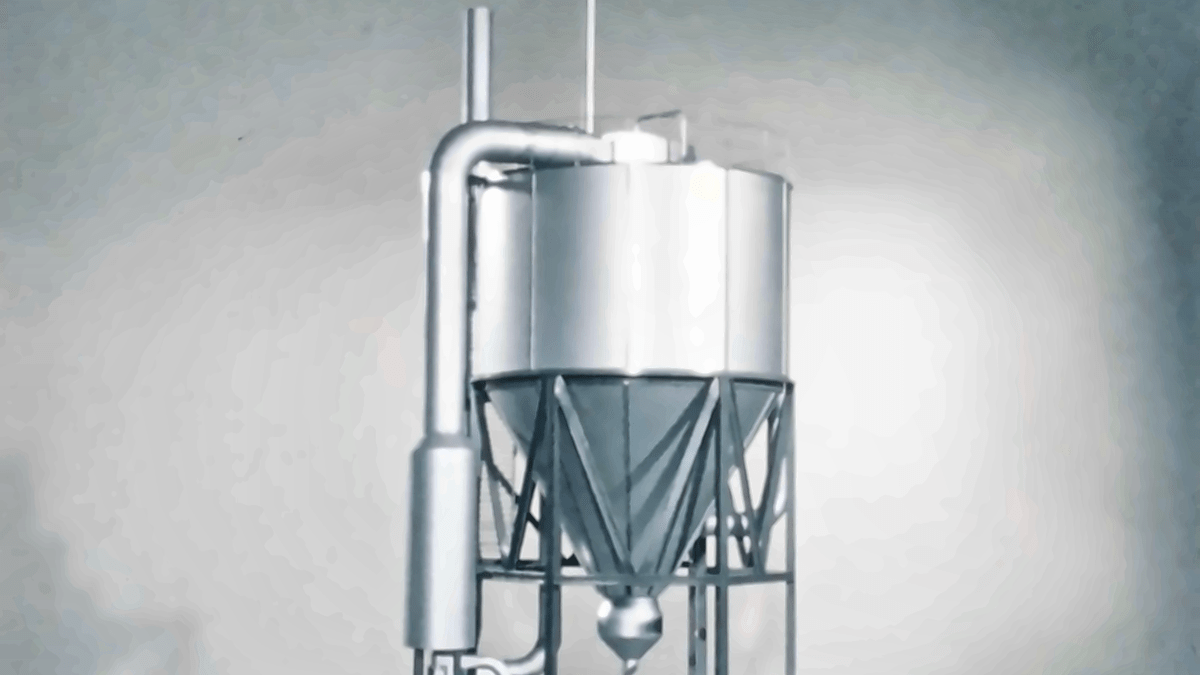
The breakthrough that changed spray drying
In 1976, NIRO engineers responded to a competitive challenge by rethinking what spray drying could do. Their idea became the multi-stage dryer MSD. Fifty years later, the same fundamental principle helps turn liquids into the powders used in essential nutrition products and important medicines around the world. Refined through decades of engineering expertise, customer insight and continuous development, MSD is a story of innovation with lasting impact.
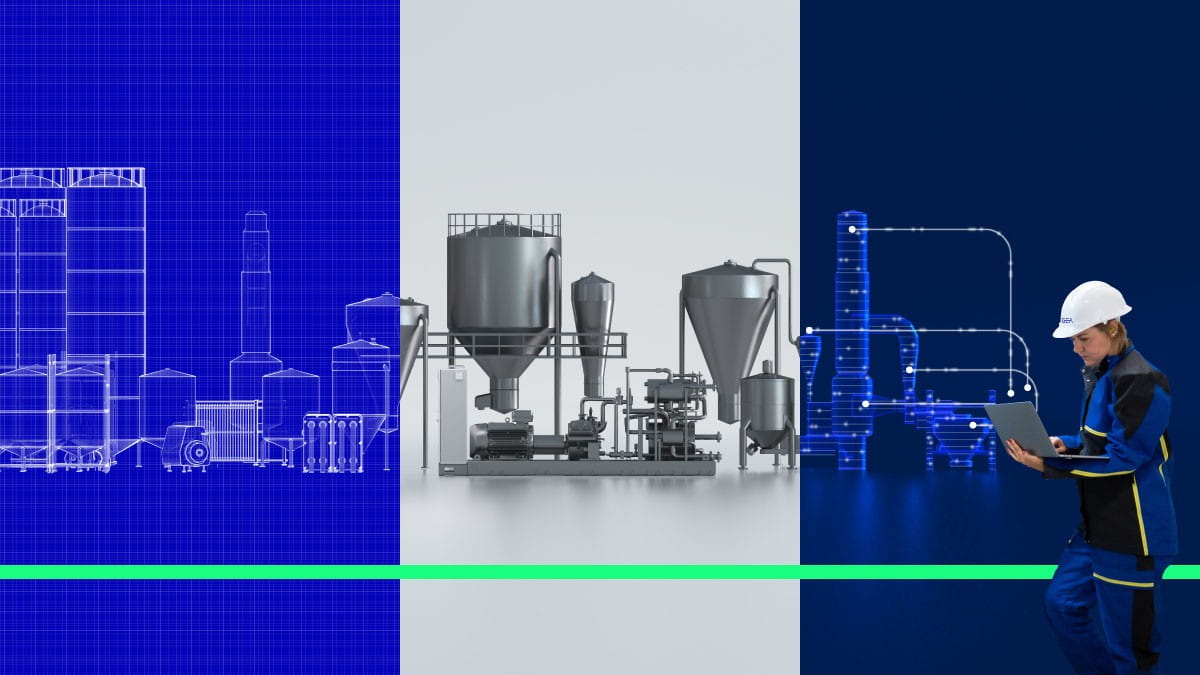
Beyond the machine: unlocking better plant performance
An efficient machine does not automatically make an efficient factory. Real improvement often starts by looking beyond individual equipment and understanding how processes, energy systems and operating decisions affect one another. It’s a holistic approach designed to uncover opportunities that might otherwise be missed.
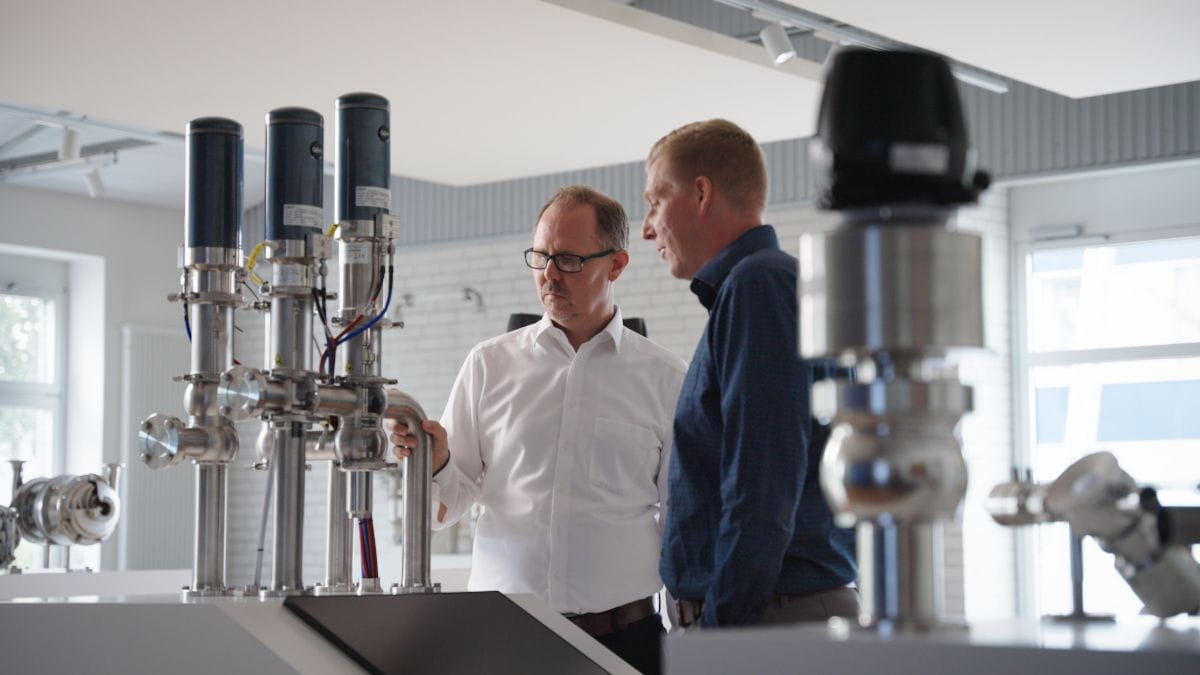
How a valve reshapes the way food and drinks are made
In food and beverage plants, valves are commonly operated using compressed air. GEA Hydract® Actuation Technology moves valves with water instead, in a closed, digitally controlled circuit. The result is a valve that can be held exactly in place and steered in fine-tuned steps. This results in lower energy use and greater control.
