


TopFlow milking cluster for goats and sheep: overview of the most important features and benefits
- Milking without a claw: the milking shell is easy to position, even for single-teat sheep
- Air inlet and special valve technology for fast milk transportation and gentle milking
- Transparent silicon teat cup liners for optimal visual control during milking
- Low strength vacuum milking: Gentler milking process and improved udder health.
- Very short milking time: Fast milking minimizes the mechanical strain on the teats.
- Low weight: More convenience and less stress for the milking staff
A milking cluster has to be efficient and gentle. This is true for both cows and sheep. Designed specifically for sheep and goats' udders, and with specialized valve technology, the TopFlow milking cluster from GEA ensures that these requirements are met.
TopFlow milking cluster: durable, long-lasting materials
GEA uses only durable materials that ensure that the TopFlow milking cluster will last. The teat cup liners are made from transparent silicone which is resistant to acidity and adjusts to fit the teats perfectly. The milk collection container is constructed from high quality plastic, making it impact-resistant and easy to clean. All of the components are transparent: from the milking shells to the hoses that transport the milk. This means that you can detect and identify errors immediately during milking.
The specialized valve on the TopFlow milking cluster prevents air ingress
The key feature of the TopFlow milking cluster from GEA is its valve technology. It ensures that the vacuum is automatically interrupted if the milking shells fall off. This prevents the milk from being contaminated with bacteria, ensuring that your milk is always of high quality. You can also suppress the vacuum yourself by simply turning the milking shell. It is convenient to operate, making your work simpler and more efficient. Your sheep and goats' udders are also protected by a low strength vacuum. This gentle milking process is controlled using the Apex pulsator by GEA, your complete systems provider.
TopFlow milking cluster: no claw for easier operation and faster flowing milk
The TopFlow milking cluster works without a claw: It consists of two milking shells that are each connected via a hose to the main hose. This has a number of advantages. It means that the milking shells can be attached easily and securely, even on unusually shaped udders. It also increases the speed of the milk flow. The TopFlow milking cluster is aerated right at the milking shells. This also helps to increase the speed of the milk flow as it prevents blockages. The result is high-quality milk from your sheep and goats. The TopFlow is also very efficient: The fast milk flow and intelligent design of the milking cluster ensure that the whole milking process is completed quickly. This increases throughput and therefore the efficiency of your operation.

Downloads
Related Products


GEA Insights
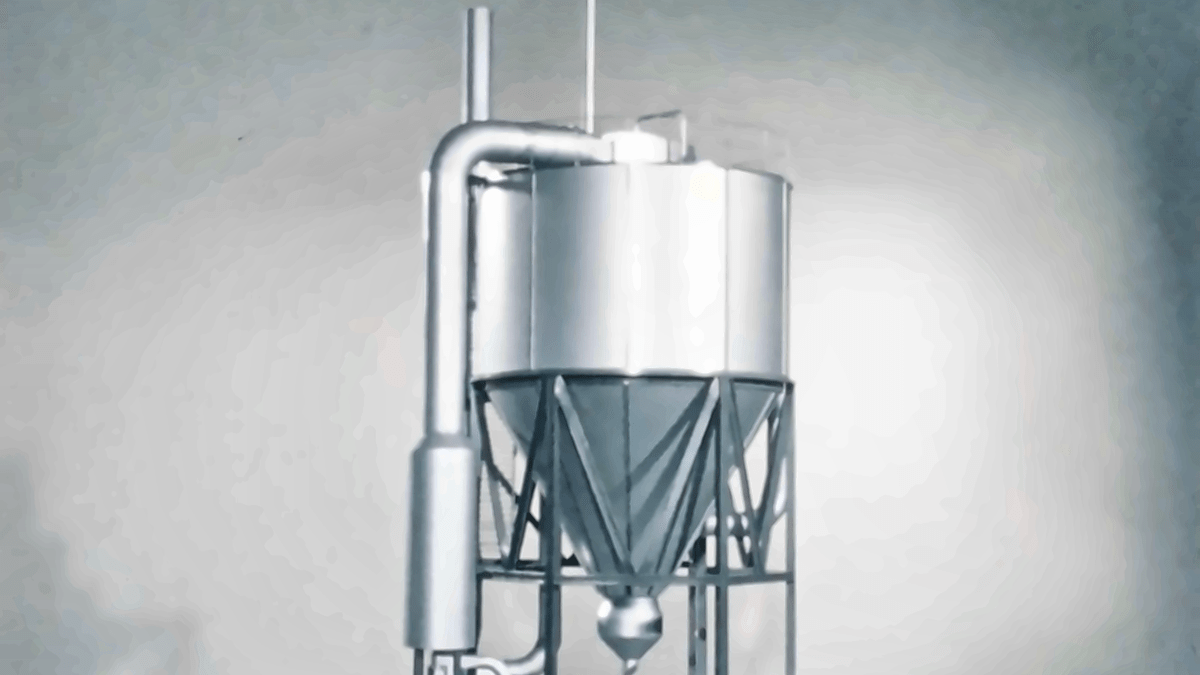
The breakthrough that changed spray drying
In 1976, NIRO engineers responded to a competitive challenge by rethinking what spray drying could do. Their idea became the multi-stage dryer MSD. Fifty years later, the same fundamental principle helps turn liquids into the powders used in essential nutrition products and important medicines around the world. Refined through decades of engineering expertise, customer insight and continuous development, MSD is a story of innovation with lasting impact.

Beyond the machine: unlocking better plant performance
An efficient machine does not automatically make an efficient factory. Real improvement often starts by looking beyond individual equipment and understanding how processes, energy systems and operating decisions affect one another. It’s a holistic approach designed to uncover opportunities that might otherwise be missed.

How a valve reshapes the way food and drinks are made
In food and beverage plants, valves are commonly operated using compressed air. GEA Hydract® Actuation Technology moves valves with water instead, in a closed, digitally controlled circuit. The result is a valve that can be held exactly in place and steered in fine-tuned steps. This results in lower energy use and greater control.
