

Ultra-high temperature (UHT) heat treatment is the main process step in aseptic processing for producing safe, stable liquid dairy, beverage and food products that can offer end users a long shelf life without refrigeration. Here at GEA, we understand that every product undergoing UHT treatment needs to be processed under precisely defined heating and cooling conditions to ensure complete safety and retain great product quality. We also recognize that as a manufacturer you need to stay flexible and are tasked with improving process sustainability by reducing energy and resource use and cutting waste and carbon footprint. We also recognize the need for manufacturers to stay flexible and improve process sustainability by reducing energy and resource use, cutting waste, and minimizing the carbon footprint.
Leveraging our decades of industry, process and engineering knowhow to develop a comprehensive range of indirect and direct heating UHT plants that can be configure to match your process and product needs, regardless of capacity Where possible, we have integrated energy recovery systems into our UHT plants, which can recycle up to 90% of heat energy, significantly reducing overall energy requirements and environmental impact.
Our UHT systems are designed to be gentle but effective on heat-sensitive products and ideally suited to handling other challenging products, including those containing particles or fibers.
Products
Showing 4 of 5

GEA UHT system direct infusion
GEA UHT Infusion uses rapid steam heating to reduce heat load compared to indirect methods, preserving proteins, nutrients, flavor, and color for a fresher, more nutritious product.

GEA UHT system direct injection
GEA direct UHT cuts heat load vs. indirect methods, preserving proteins, nutrients, color, and flavor for better nutrition and fresher taste.

GEA UHT system indirect
GEA UHT Indirect ensures consistent, gentle heating for extended shelf life while maintaining product quality, stability, and energy-efficient performance.

GEA UHT system indirect product-to-product
GEA UHT systems with product-to-product exchangers use the product itself for heat transfer, boosting efficiency over traditional indirect heating methods.
We aim to provide technology that gives you confidence in reliable heat treatment without compromise. Our experts take the time to understand your products and processes, and your current and potential future requirements and expectations. We then collaborate with you to design and tailor the best UHT plant for your needs, budget, and setup. Additionally, we offer pilot-scale systems so that you can evaluate new processes or test production scale-up for existing and new products.

Features
Direct steam injection UHT & Direct steam infusion
- Combines either steam injection- or steam infusion-based direct heating with flash cooler technology for rapid heating and cooling.
- Product is held at high heat for just a few seconds
- Compatible with energy recovery technology.
- Lower heat load compared to indirect heating, reducing protein denaturation and preserving color and flavor.
- Ideal for heat-sensitive products like dairy milk, infant formula, oat drinks, and cream.
Compared with direct injection heating UHT, direct infusion systems provide even gentler heating, and this can further reduce heat-related effects to better preserve the sensory and nutritional qualities of heat-sensitive products.

Features
Indirect UHT
- Indirect heating with tubular heat exchangers for reliable product treatment.
- No direct contact between heating medium and product.
- Up to 90% heat recovery through regenerative heat exchange.
- Lower operating costs through optimized process design.
- Flexible configurations for diverse products and production requirements.
- Precise temperature control for consistent processing results.
- Typically lower maintenance requirements than direct heating systems.
- Suitable for a broad range of beverage, dairy, and food applications.

Features
Indirect product-to-product UHT
- Similar concept to traditional indirect heating UHT technology, but the heat exchangers contain heated product as the initial heat transfer medium.
- Heat energy from the hot, sterilized product is used to preheat the incoming cold product.
- Final heating of the preheated product is carried out using more conventional heat exchangers that use water as the heating medium.
- This system allows for lower overall energy requirements, when compared with traditional indirect UHT heating systems, resulting in reduced operating costs and cutting environmental footprin

Features
UHT pilot plant
- Small-scale batch production ideal for testing, optimizing processes, product/process R&D, and quality control applications.
- Configurable to run both direct (steam injection or infusion) and indirect heat exchanger-based processes.
- Customizable to swap in/ out heat exchangers, homogenizers or holding tubes.
- Precise control of temperature and residence time under heating conditions.
- Advanced monitoring, control, data logging and automation functionality.
- Easy sampling for in-process evaluation and quality control.
- Results from pilot-scale processing are scalable to industrial systems.
- Suitable for a wide range of product types.


Hochwald Foods
One of the largest dairy companies in Germany, wants to use the new facility to process roughly 800 million liters of milk per year to produce high-quality dairy products.

GEA Insights
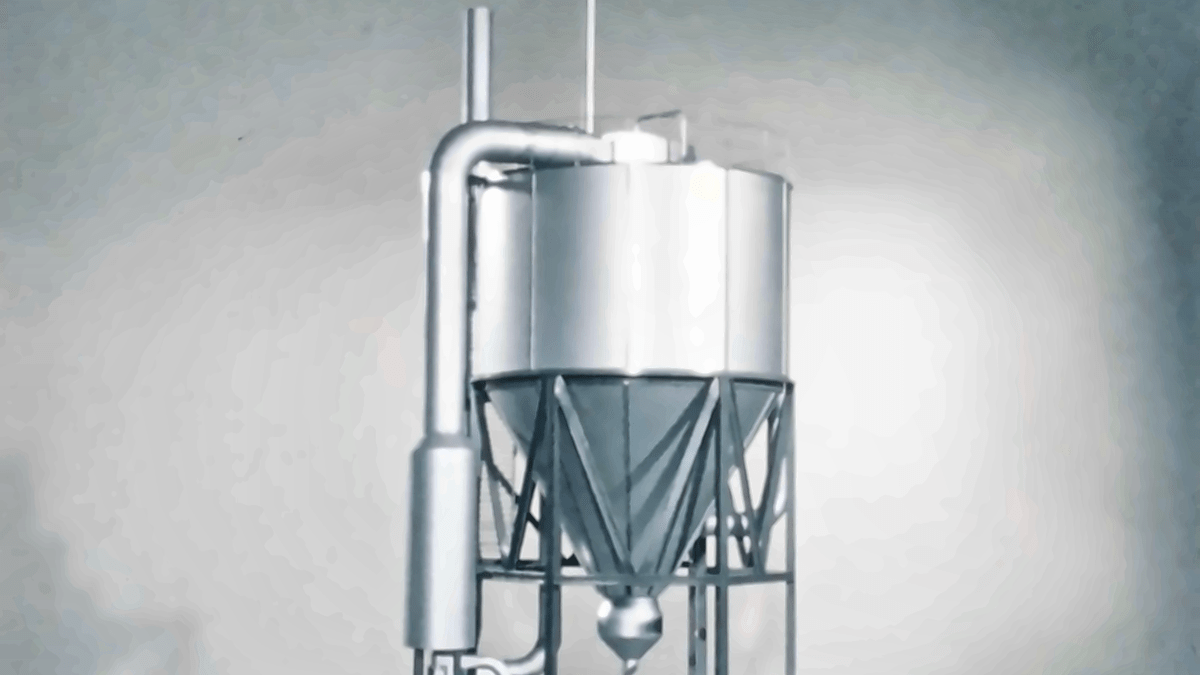
The breakthrough that changed spray drying
In 1976, NIRO engineers responded to a competitive challenge by rethinking what spray drying could do. Their idea became the multi-stage dryer MSD. Fifty years later, the same fundamental principle helps turn liquids into the powders used in essential nutrition products and important medicines around the world. Refined through decades of engineering expertise, customer insight and continuous development, MSD is a story of innovation with lasting impact.
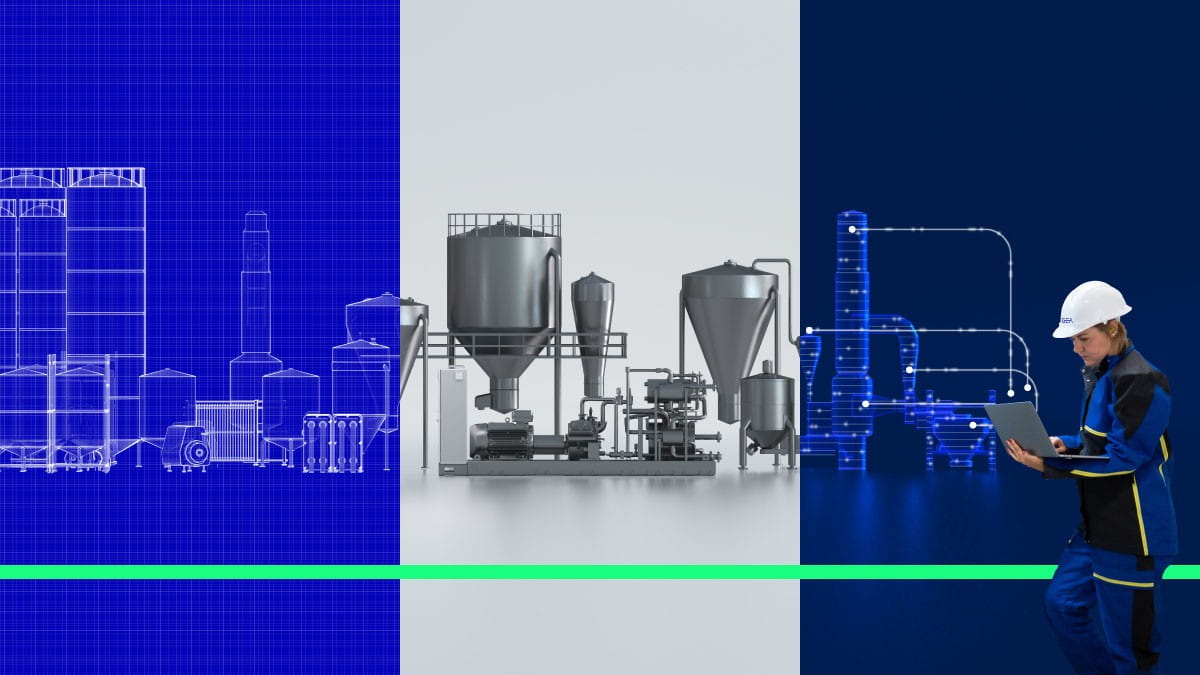
Beyond the machine: unlocking better plant performance
An efficient machine does not automatically make an efficient factory. Real improvement often starts by looking beyond individual equipment and understanding how processes, energy systems and operating decisions affect one another. It’s a holistic approach designed to uncover opportunities that might otherwise be missed.
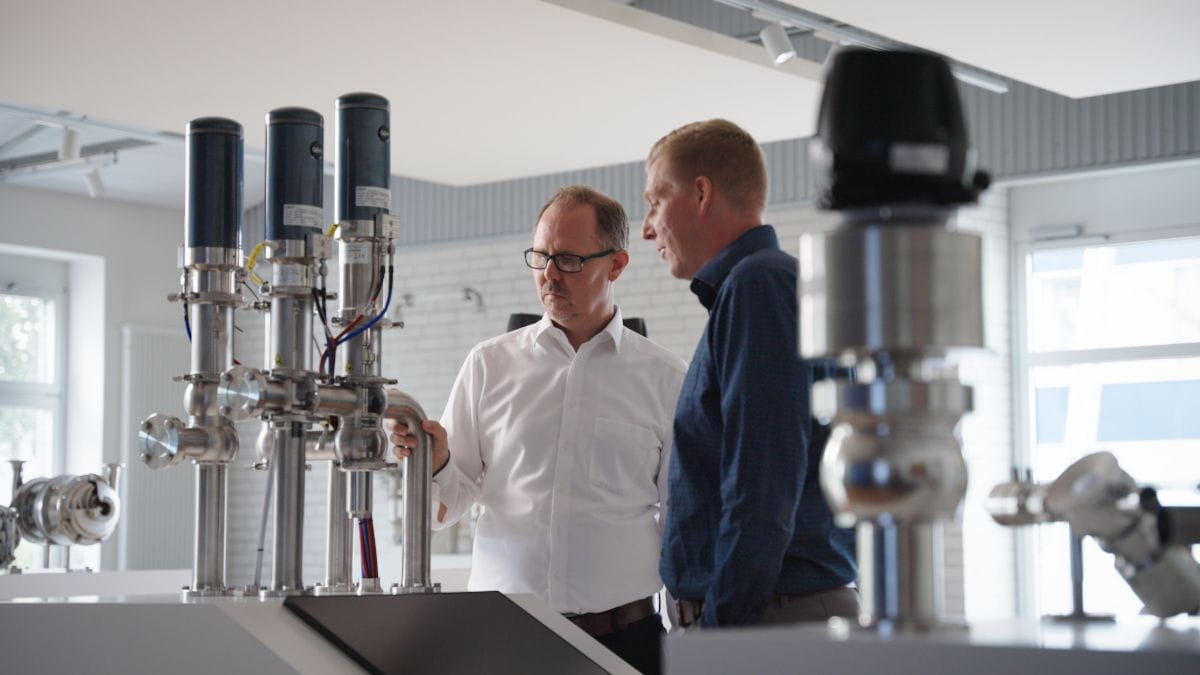
How a valve reshapes the way food and drinks are made
In food and beverage plants, valves are commonly operated using compressed air. GEA Hydract® Actuation Technology moves valves with water instead, in a closed, digitally controlled circuit. The result is a valve that can be held exactly in place and steered in fine-tuned steps. This results in lower energy use and greater control.
