


Meeting consumer expectations
Today’s world of non-alcoholic beverages encompasses an almost endless variety of fruit, vegetable and water-based drinks, juices, smoothies and concentrates. And as consumers we expect all of our non-alcoholic beverages to be safe, retain key nutritional components, but we also want them to taste, look and smell great.
So here at GEA we’ve worked with the industry for many years to develop a wide and flexible range of standardized, and customized continuous pasteurization solutions that can be used for hot filling, cold aseptic filling or ultra clean filling.
Standardized and custom-designed solutions

Our standardized equipment is fully featured, robust and can be delivered and installed quickly for reliable day-to-day processing. For more complex applications, or if you need to switch rapidly between different products and want the flexibility to develop new applications, we can work with you to tailor a custom-designed pasteurization system that integrates with your upstream functionality, and lets you process multiple products on the same machine. Ultimately, we aim to make sure you have the best system for your product and process requirements, which also fits in with your existing plant setup. And, of course, you can expect the highest levels of hygiene by design. Our pasteurization systems offer easy maintenance, and fast, thorough cleaning.
Heat recovery and process efficiency

For additional heat integration, optional GEA heat pump technology can capture and reuse available heat from other processes within the plant. Heat pumps can be integrated into both new and existing pasteurization systems, offering further options for optimizing the plant’s overall heat management.
Staying agile in fast-changing markets

As a producer you may need to switch between products multiple times a day and develop new products for fast-changing markets. Options such as recovery tanks, and mixed phase detection systems help to reduce product losses, and speed switchover, so you don’t waste valuable product, or production time. And with full automation and pasteurizing unit (PU) control, our systems are easy to use, reducing hands on time.
Here are some facts and figures, at a glance:
Temperature range:
- Pasteurizer plants up to 98°C
- High heating pasteurizers up to 125°C
- UHT plants up to 145°C
Flow rate ranges:
- Plate heat exchangers are available for flow rates of 200 – 120,000 l/h, with up to 95% heat recovery (for particle free products)
- Tubular heat exchangers are available for flow rates of 200 – 70,000 l/h, with up to 92% heat recovery (for most product types)
- Flow range from 20% to 100% of the maximum speed on one pasteurizer using dual stream pasteurizer technology
Invest with confidence
Our goal is always to give you the best options for your requirements, and we may also be able to offer pilot plant testing, so you can evaluate your processes using our pasteurization technology. When it comes to testing, we are by your side.
Downloads

GEA Insights
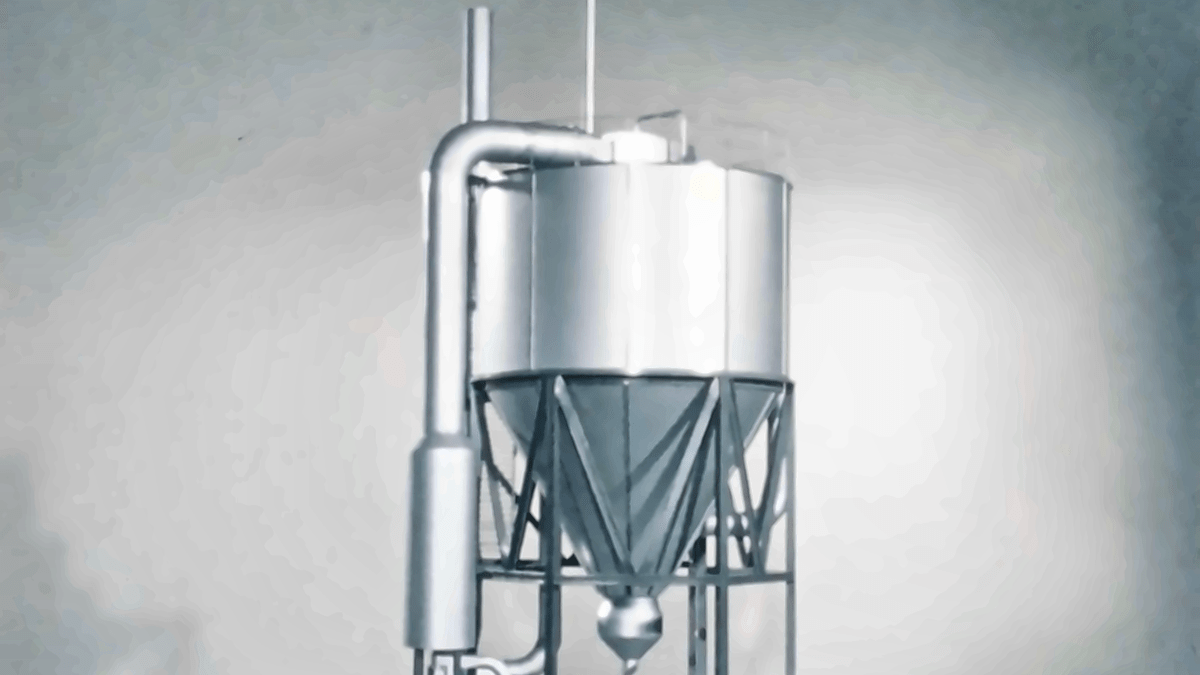
The breakthrough that changed spray drying
In 1976, NIRO engineers responded to a competitive challenge by rethinking what spray drying could do. Their idea became the multi-stage dryer MSD. Fifty years later, the same fundamental principle helps turn liquids into the powders used in essential nutrition products and important medicines around the world. Refined through decades of engineering expertise, customer insight and continuous development, MSD is a story of innovation with lasting impact.

Beyond the machine: unlocking better plant performance
An efficient machine does not automatically make an efficient factory. Real improvement often starts by looking beyond individual equipment and understanding how processes, energy systems and operating decisions affect one another. It’s a holistic approach designed to uncover opportunities that might otherwise be missed.

How a valve reshapes the way food and drinks are made
In food and beverage plants, valves are commonly operated using compressed air. GEA Hydract® Actuation Technology moves valves with water instead, in a closed, digitally controlled circuit. The result is a valve that can be held exactly in place and steered in fine-tuned steps. This results in lower energy use and greater control.
