
Products
Showing 3 of 3

GEA DIOX-2 Water Deaeration System
GEA has developed the DIOX two-stage deaeration systems for use by the juice and soft drinks industries.

GEA VARIDOX-C Cold Water Deaeration System
GEA has developed the VARIDOX deaeration systems for use by the beverage and brewery industries. For cold deaeration with water temperatures of >10°C we recommend the VARIDOX-C.

GEA VARIDOX-H for Hot Water Deaeration System
GEA has developed the VARIDOX deaeration systems for use by the beverage and brewery industries. For hot deaeration we recommend the VARIDOX-H.
Downloads

GEA Insights

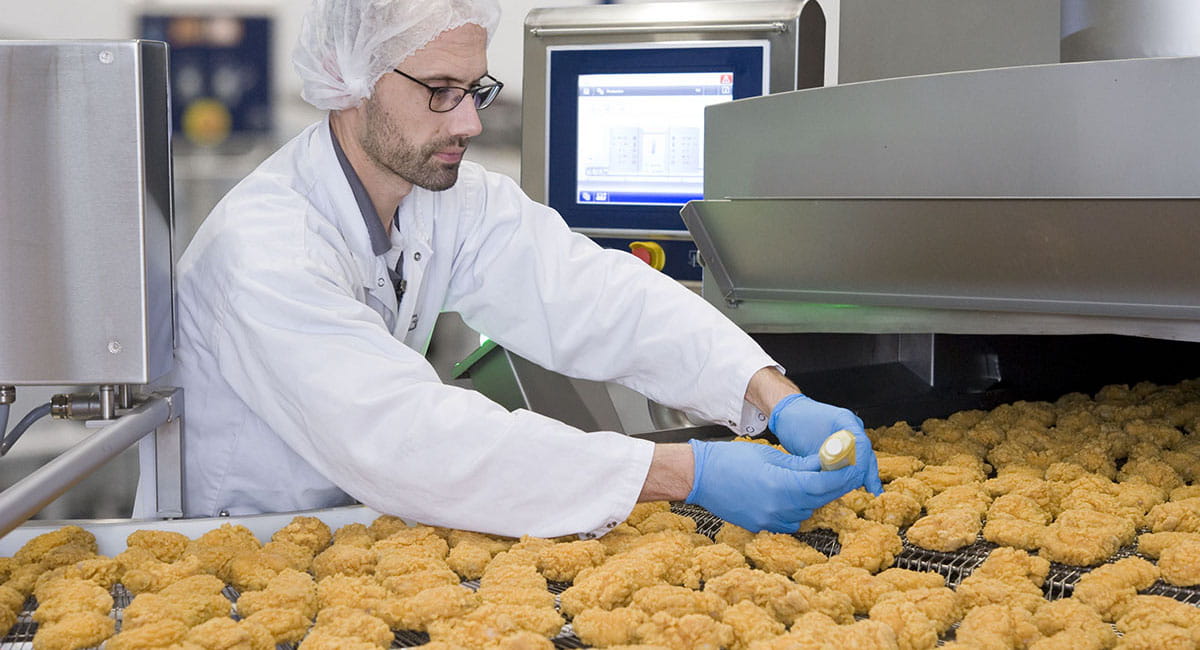

The water equation
Across Europe, drought is a recurring reality – and no longer confined to the south. While water increasingly shapes where industries locate, its value is determined by local context. There are many technological routes to water efficiency in industrial processes, but location, energy needs and other factors are also key.
