

How it works
A booster pump conveys the ready-mixed beverage to the GEA Venturi saturator. The reduction in pressure at the narrowest section of the saturator creates a partial vacuum, generating the suction effect required to draw CO₂ into the product stream. The flow velocity through the saturator is controlled within a defined operating range. The increased flow velocity supports the distribution of CO₂ gas and its mixing into the beverage.
CO₂ is supplied from a pressure tank to the saturator. The pressure maintained in the tank supports the carbonation process and provides a continuous supply of CO₂ to the system.
Beverage carbonation depends on the tank pressure, which is adjusted according to the required CO₂ setpoint of the specific beverage and is set slightly above the product's saturation pressure. Temperature compensation adjusts the tank pressure in line with the relevant saturation curve. The system is sized according to the required flow rate of the overall process.
The DICAR-C can also be used to process non-carbonated products on the same production line.
GEA DICAR-C aseptic carbonating system
The GEA DICAR-C technology can optionally be designed and installed as an aseptic system that exhibits the same features and functionality as the non-aseptic system. The focus here is on the choice and design of the individual components - which have to meet all requirements for aseptic processing - as well as the ability to sterilize the complete system, including the CO2 supply. The DICAR-C aseptic carbonation solution can be configured to produce non-alcoholic beverages as well as alcopops, sparkling wines, hard seltzer and other products.
The aseptic system employs sterile valves and a sterile filter to supply the CO2. The complete system can also be steam treated. A thermo siphon (TS) unit is installed on the base frame of the system. In this TS unit, sterile steam, which is fed in from outside the system, is cooled down in a controlled manner. The resulting condensate is then used to rinse the double-acting mechanical pump seals. The TS system fulfils all the tasks of a locking system, such as leakage compensation, lock fluid circulation through a thermo siphon effect, pressure build-up in the lock room, and prevention of dry running.
Advantage of aseptic carbonation
When installed as part of your aseptic filling processes, GEA aseptic carbonation technology can help to save on both investment and energy costs, as it allows pasteurization to be carried out at a lower pressure, which can reduce energy requirements for the pumps.
Key features and benefits of the DICAR-C carbonation system
- Achieves highest possible concentration of CO2
- Product-specific CO2 content control
- GEA saturator designed to ensure efficient CO2 dissolution
- No CO2 loss during carbonation in continuous process
- GEA Venturi saturator helps to ensure fine dispersion of CO2
- User friendly operation
- Versatile carbonation module can be combined with the GEA DICON® in-line blending unit, and with the GEA DIOX-2 water deaerating unit, as part of the single unit GEA DIMIX-C continuous mixer, for the production of carbonated beverages
- Recipe management system
- Option to configure as an aseptic version
Downloads
Related Products

GEA DIOX-2 Water Deaeration System
GEA has developed the DIOX two-stage deaeration systems for use by the juice and soft drinks industries.

GEA DIMIX-C Mixer/Carbonator
The GEA carbonating system type DIMIX-C has been designed for high-precision continuous mixing and carbonation of soft drinks.

GEA DICON® Continuous Blenders for Beverage
GEA DICON® continuous in-line blending concept for the beverage industry.
GEA Insights
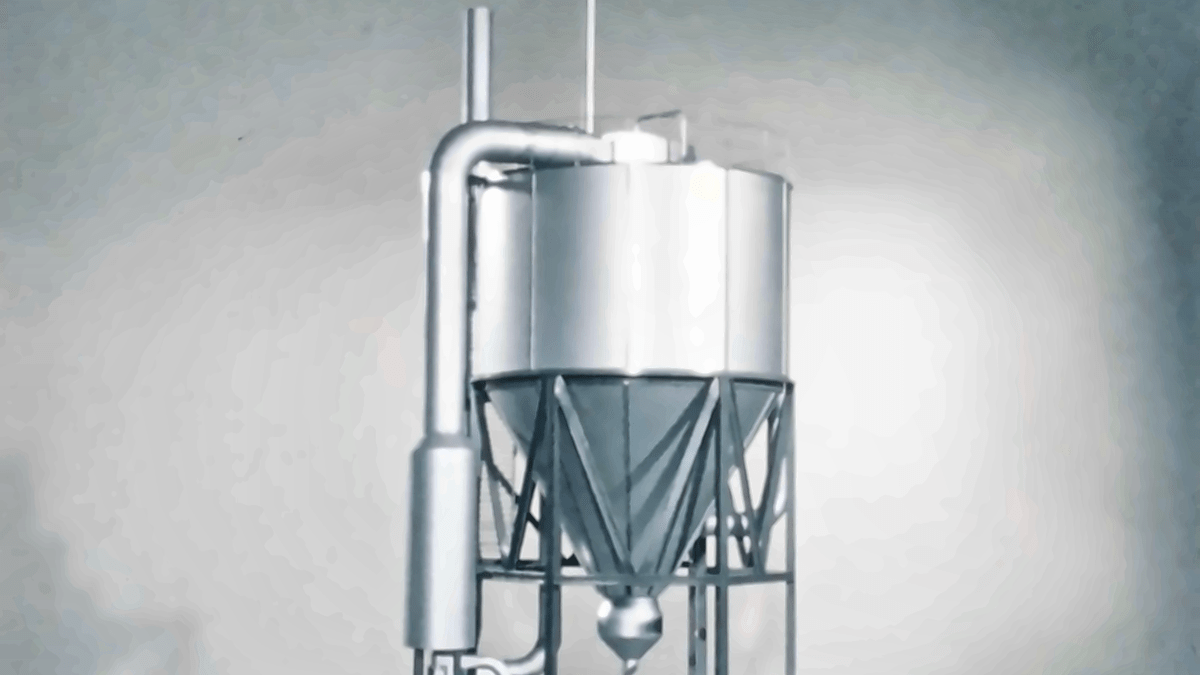
The breakthrough that changed spray drying
In 1976, NIRO engineers responded to a competitive challenge by rethinking what spray drying could do. Their idea became the multi-stage dryer MSD. Fifty years later, the same fundamental principle helps turn liquids into the powders used in essential nutrition products and important medicines around the world. Refined through decades of engineering expertise, customer insight and continuous development, MSD is a story of innovation with lasting impact.
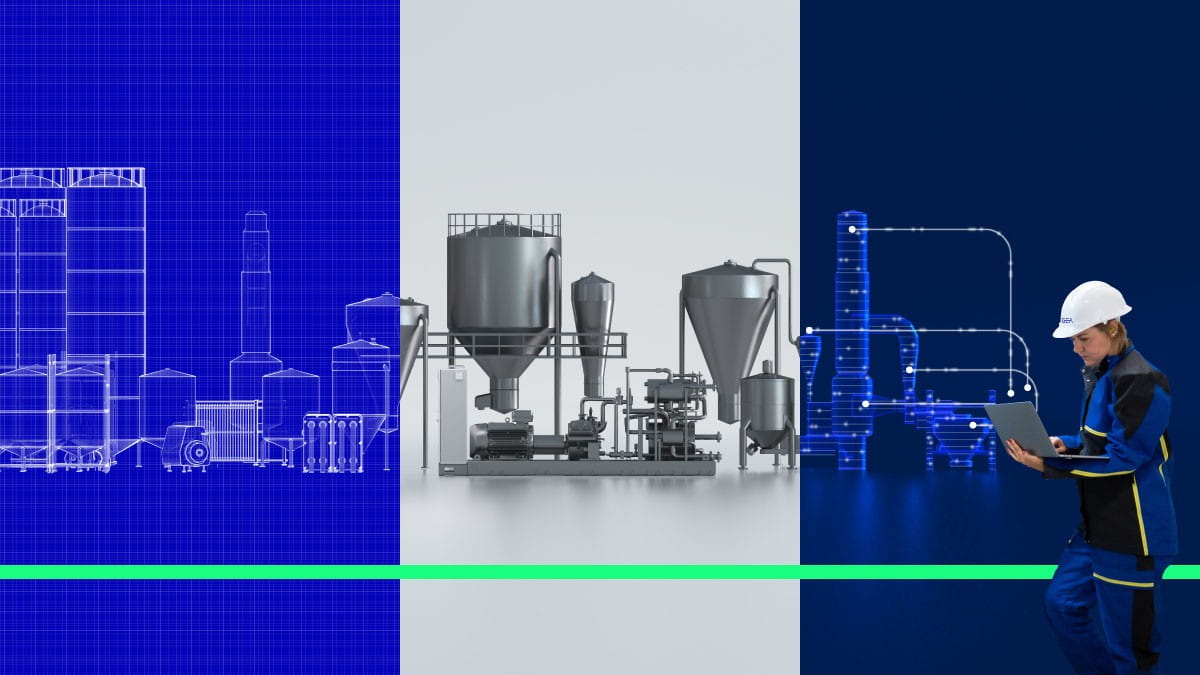
Beyond the machine: unlocking better plant performance
An efficient machine does not automatically make an efficient factory. Real improvement often starts by looking beyond individual equipment and understanding how processes, energy systems and operating decisions affect one another. It’s a holistic approach designed to uncover opportunities that might otherwise be missed.
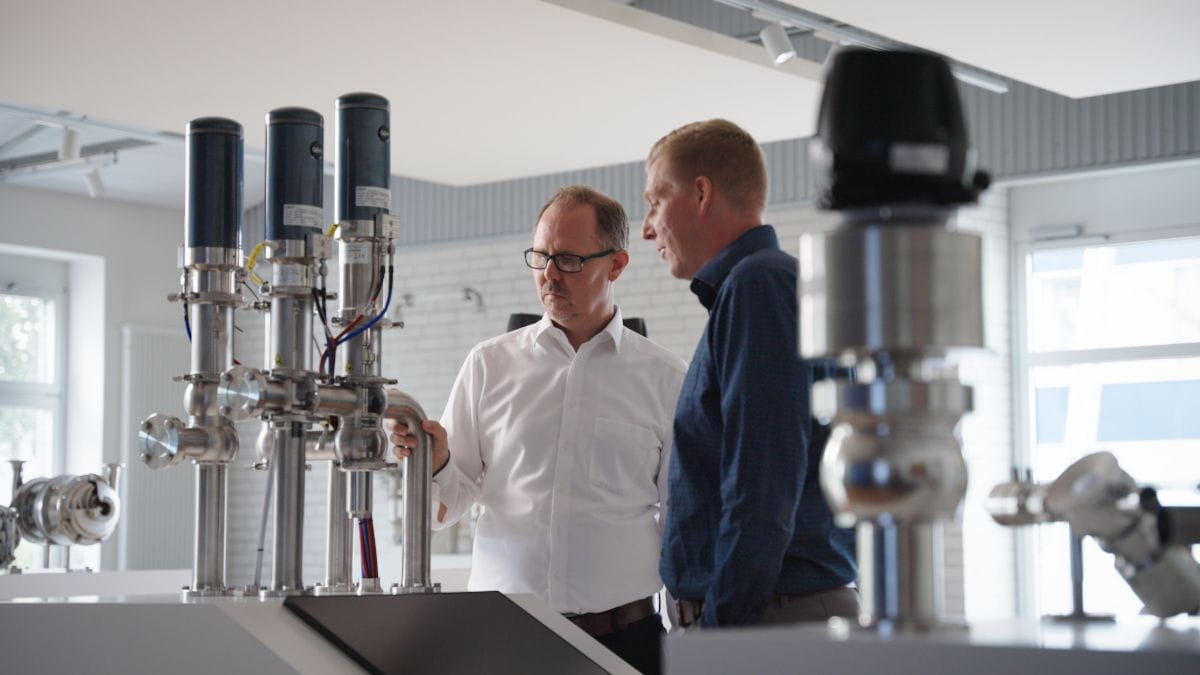
How a valve reshapes the way food and drinks are made
In food and beverage plants, valves are commonly operated using compressed air. GEA Hydract® Actuation Technology moves valves with water instead, in a closed, digitally controlled circuit. The result is a valve that can be held exactly in place and steered in fine-tuned steps. This results in lower energy use and greater control.
