

The GEA sterile water unit is designed to provide a continuous on-site supply of sterile water for aseptic homogenizers operating within UHT processes. Suitable for both direct and indirect UHT applications, this compact plug-and-play skid delivers controlled quantities of sterile water to flush pistons and valve seats in aseptic homogenizers, supporting aseptic processing requirements and helping maintain hygienic operating conditions.
Why sterile water matters
Sterile water acts as a crucial barrier that prevents bacteria and spores from entering parts of aseptic homogenizers that might then lead to product contamination. The sterile water protects moving interfaces such as pistons and homogenizing valves, and ensures a stable, hygienic process. The GEA sterile water unit provides this supply continuously, using a validated sterilization process, alongside precise temperature control and reliable monitoring of temperature, backpressure and flow.
High‑efficiency regenerative heat technology
The regenerative sterile water unit uses heat exchange technology in combination with soft water to dramatically lower energy demand.
Compared with conventional condensate cooling stations, the regenerative sterile water unit offers:
- Up to 90% lower energy consumption
- 43% less water usage
- Reduction of approx. 130–141 metric tons of CO₂ produced per year
- Minimized radiant heat losses
- Reduced mechanical wear thanks to stable operating temperatures
This all results in lower operating costs, longer equipment lifetime, and improved process stability.

Key benefits of the GEA sterile water unit:
- On‑site sterile water generation for complete process independence
- Maximum aseptic safety through controlled temperature, backpressure and flow
- Lower maintenance
- Fully pre‑assembled plug‑and‑play skid, including control cabinet
- Short payback period of 1–3 years
- Ideal for both direct and indirect UHT processes
Typical applications for the GEA sterile water unit:
The GEA sterile water unit is designed for use as a sterile barrier in:
- Aseptic homogenizers
- Valve seat flushing
- Mechanical seal flushing
- Aseptic UHT processing lines
It is widely used in dairy, beverage, and plant‑based food production environments.
Designed for aseptic processing requirements
The sterile water unit is designed to support aseptic processing by providing a continuous supply of sterile water for aseptic homogenizers. The system delivers controlled water volumes for flushing pistons and valve seats, supporting hygienic operating conditions and process integrity throughout production.
The solution can help manufacturers to:
- Support aseptic processing requirements
- Integrate sterile water supply into homogenizer operations
- Maintain controlled flushing of pistons and valve seats
- Support reliable operation within UHT processing environments

Recognized with the “Add Better” label
The GEA Sterile Water Unit has been awarded with the GEA Add Better label for its proven contribution to reducing resource consumption in aseptic processing.
Using regenerative heat exchange technology, the system recovers and reuses thermal energy within the process, significantly reducing the utilities required for sterile water generation.
To verify these benefits, the system underwent a dedicated evaluation based on ISO standards and was independently validated by TÜV Rheinland.
The results demonstrate that, compared to conventional condensate cooling stations, the regenerative Sterile Water Unit can deliver up to 90% lower energy consumption, 43% lower water usage, and a reduction of approximately 130-141 metric tons of CO₂ emissions per year.
Receiving the Add Better label confirms the unit's measurable environmental benefits while maintaining the highest standards of aseptic safety and process reliability.
Downloads


GEA Insights
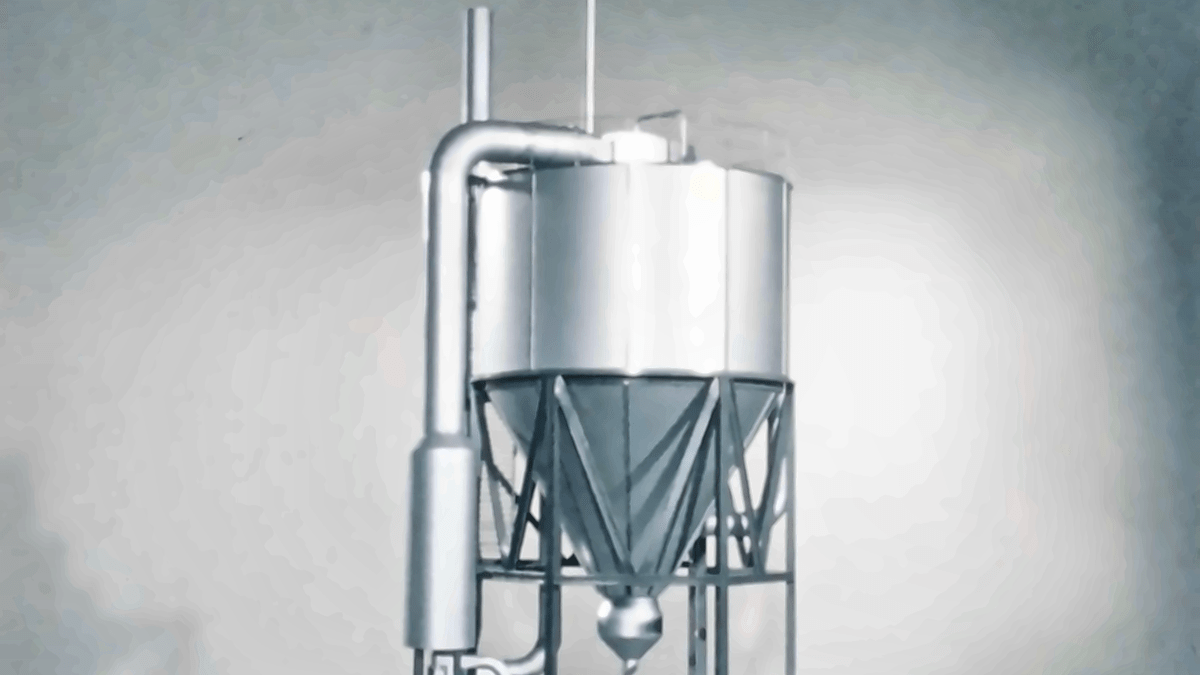
The breakthrough that changed spray drying
In 1976, NIRO engineers responded to a competitive challenge by rethinking what spray drying could do. Their idea became the multi-stage dryer MSD. Fifty years later, the same fundamental principle helps turn liquids into the powders used in essential nutrition products and important medicines around the world. Refined through decades of engineering expertise, customer insight and continuous development, MSD is a story of innovation with lasting impact.
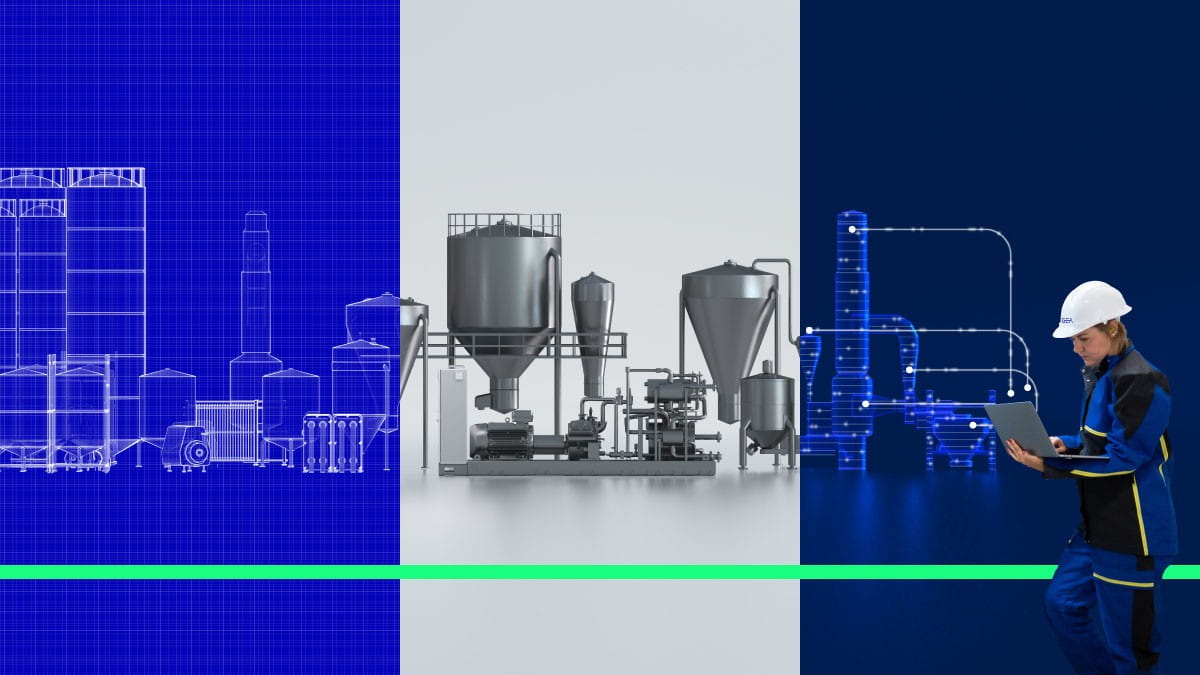
Beyond the machine: unlocking better plant performance
An efficient machine does not automatically make an efficient factory. Real improvement often starts by looking beyond individual equipment and understanding how processes, energy systems and operating decisions affect one another. It’s a holistic approach designed to uncover opportunities that might otherwise be missed.
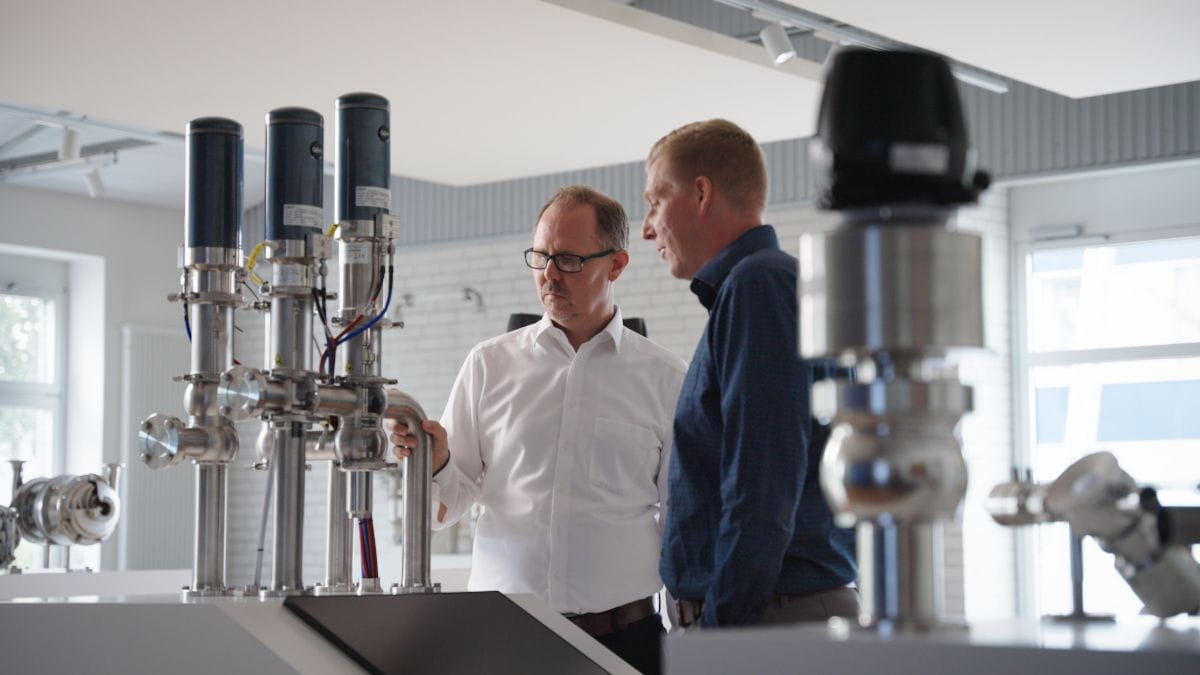
How a valve reshapes the way food and drinks are made
In food and beverage plants, valves are commonly operated using compressed air. GEA Hydract® Actuation Technology moves valves with water instead, in a closed, digitally controlled circuit. The result is a valve that can be held exactly in place and steered in fine-tuned steps. This results in lower energy use and greater control.
