
Besides Filtration and Separation dedusting devices, Sorption and Scrubbers -as flue gas and other gaseous components removal devices-, Selective Catalytic reactors for NOx removal or units to cool, quench and condition gas streams; GEA offers some specific processes for diverse dedicated applications.
These specific processes are:
- Heavy Metal removal
Applicable mainly for industrial applications in the cement and non-ferrous industries.
- Converter Gas Recovery (LT Process)
Applicable mainly for Iron & steel industries.
- Spray Drying Evaporator
Mainly for industrial applications in waste to Energy and non-ferrous industries.
- EP Absorber
Mainly for industrial applications in cement and non-ferrous industries.
- Bubble column
Mainly for industrial applications in the chemical industry.
- Aerosol Separator systems
Mainly for industrial applications in the chemical industry.
Products
Showing 4 of 5

Aerosol separator systems
A suspension of fine solid particles or liquid droplets, in gas is called aerosol and can be separated by different working principles.

Bubble column reactor
Bubble Columns feature a high liquid to gas volume ratio, beneficial when conducting rather slow reactions in the liquid phase as large reaction volumes can be realized. Ideal when dry spots must be avoided in the contactor.

Converter gas recovery (LT process)
The conversion of hot metal into steel produces CO-laden gases of high caloric value. The recovery of these gases means to save a considerable amount of energy. The LT-Steel Gas Process has established worldwide.

EP Absorber
Gas cleaning for FCC units is a core area of expertise for GEA in the refinery industry. By combining process engineering know-how with advanced gas treatment technologies, GEA helps refiners manage emissions, optimize process performance and meet site-specific operational requirements.
Downloads
GEA Insights
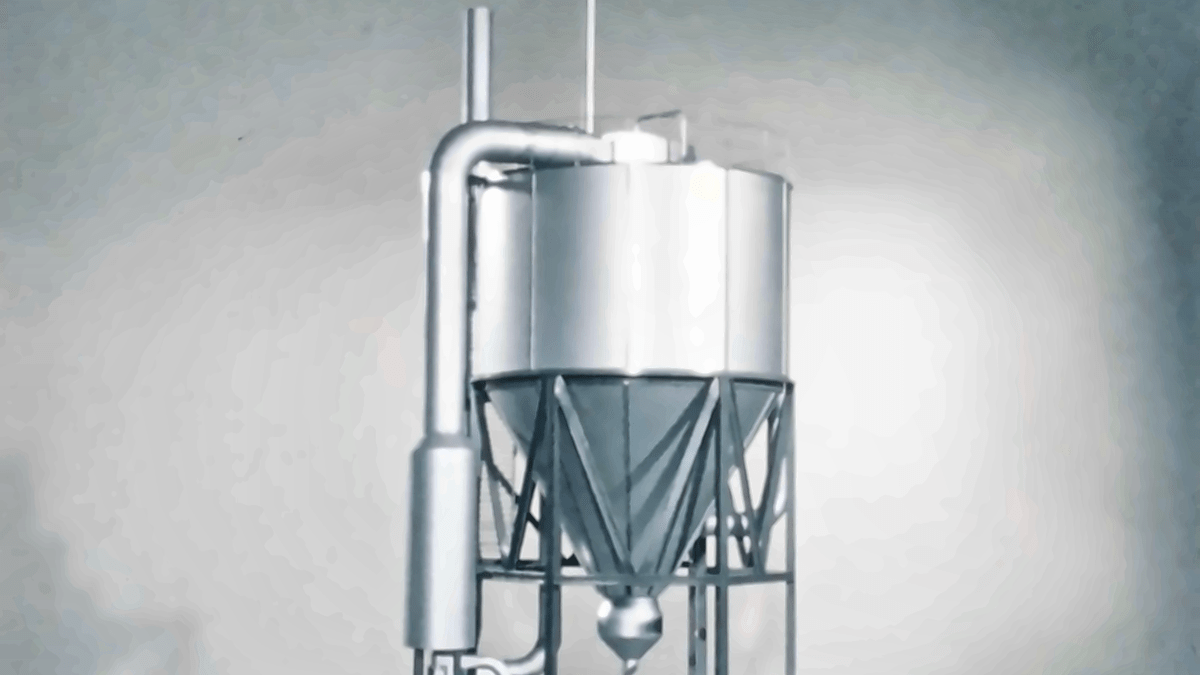
The breakthrough that changed spray drying
In 1976, NIRO engineers responded to a competitive challenge by rethinking what spray drying could do. Their idea became the multi-stage dryer MSD. Fifty years later, the same fundamental principle helps turn liquids into the powders used in essential nutrition products and important medicines around the world. Refined through decades of engineering expertise, customer insight and continuous development, MSD is a story of innovation with lasting impact.
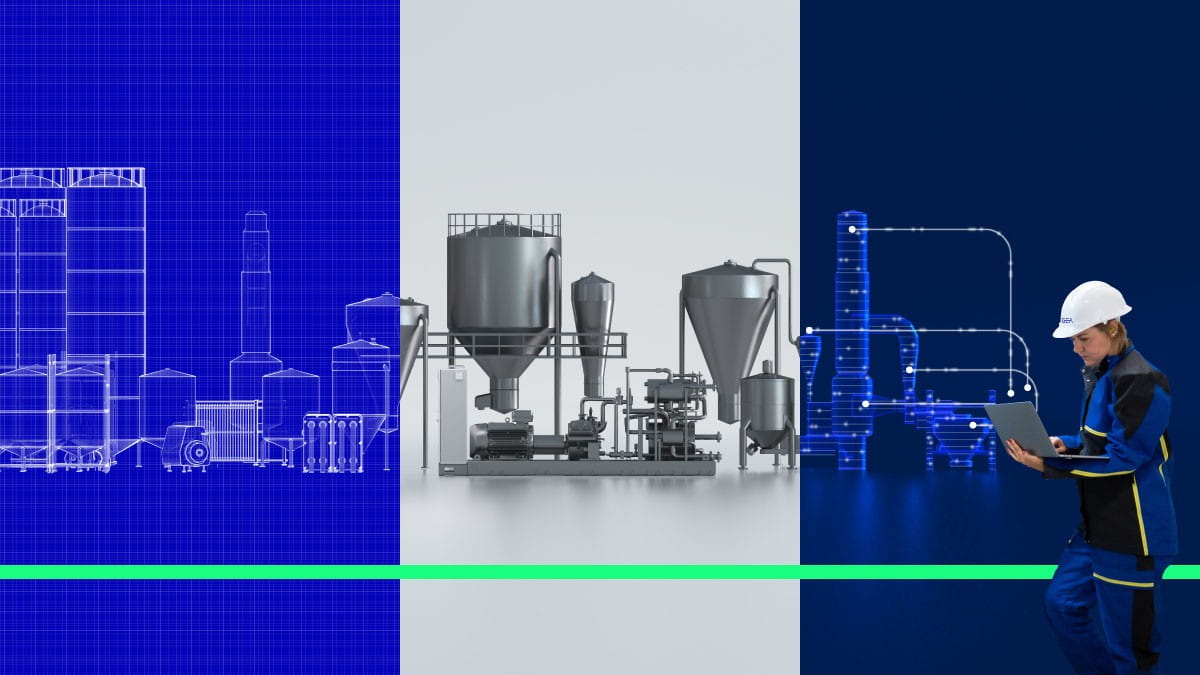
Beyond the machine: unlocking better plant performance
An efficient machine does not automatically make an efficient factory. Real improvement often starts by looking beyond individual equipment and understanding how processes, energy systems and operating decisions affect one another. It’s a holistic approach designed to uncover opportunities that might otherwise be missed.
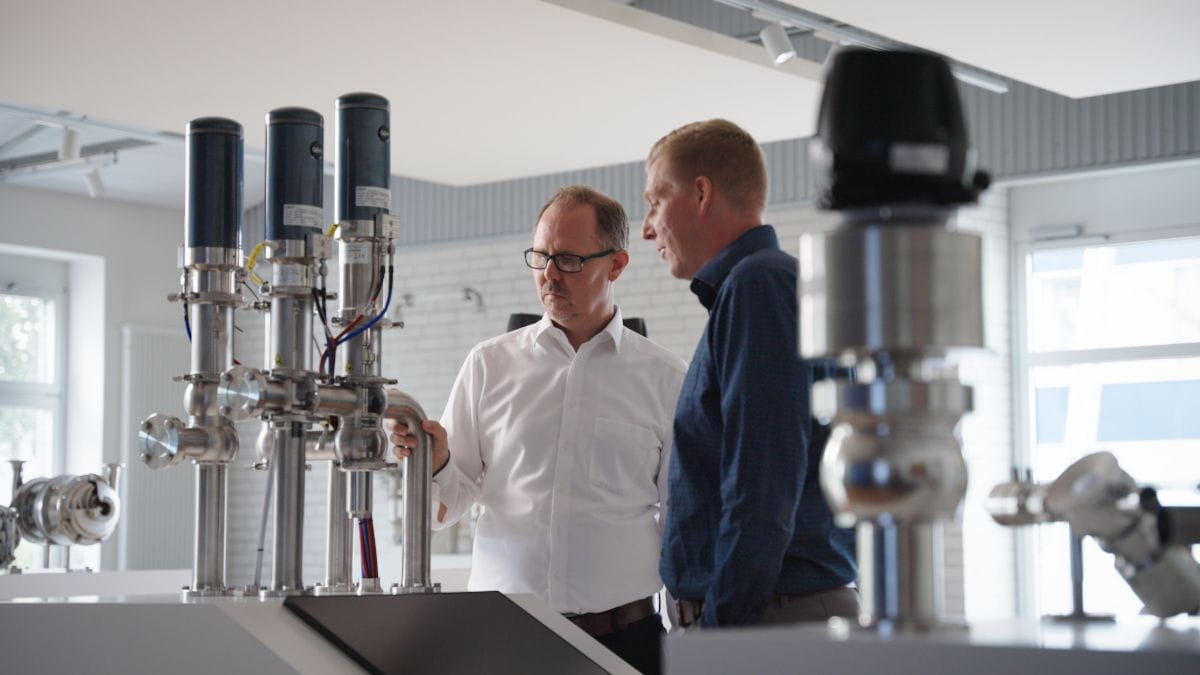
How a valve reshapes the way food and drinks are made
In food and beverage plants, valves are commonly operated using compressed air. GEA Hydract® Actuation Technology moves valves with water instead, in a closed, digitally controlled circuit. The result is a valve that can be held exactly in place and steered in fine-tuned steps. This results in lower energy use and greater control.
