
GEA technology is the standard in gas cleaning plants of the global players. Together with the world market leaders, we continue to develop our technology to always stay competitive.
Our portfolio includes a series of cooling and quench solutions, which can also be combined depending on the application.
A Quench Tower or a hot gas Quench System is often the first step in conditioning a high-temperature and polluted air stream so that particulate, acid gases, metals, and other emissions can be appropriately removed.
GEA offers various cooling and conditioning units:
- Gas conditioning tower (Evaporative gas cooler)
- Quench cooler
- Hot gas quench system
- Packed column cooler
Products
Showing 4 of 4

Gas conditioning tower (GCT)
Used in industrial applications to cool gases upstream of electrostatic precipitators / bag filters for effective temperature control, gas volume reduction and humidification by the evaporation of water. GEA provides the two available atomization technologies utilized in the evaporative cooling process: hydraulic atomization and twin-fluid atomiz...

Hot gas quench systems
Vertically standing scrubbing tube with gas inlet from above and spray nozzles arranged radially on the tube below the gas inlet.

Packed Cooling Tower (Column Cooler)
Vertical tube with a gas inlet from underneath and a radial task of the scrubbing liquid from above over the whole tube cross section.

Quench cooler
Rapid cooling of quenching of gas streams is used in a number of essential applications in the process industries. The selection and sizing of spray nozzles are the most critical decisions in the system design. GEA quench tower design consists of an open vessel in which liquid is sprayed to contact the gas. The gas enters the bottom of the tower...
Downloads
GEA Insights
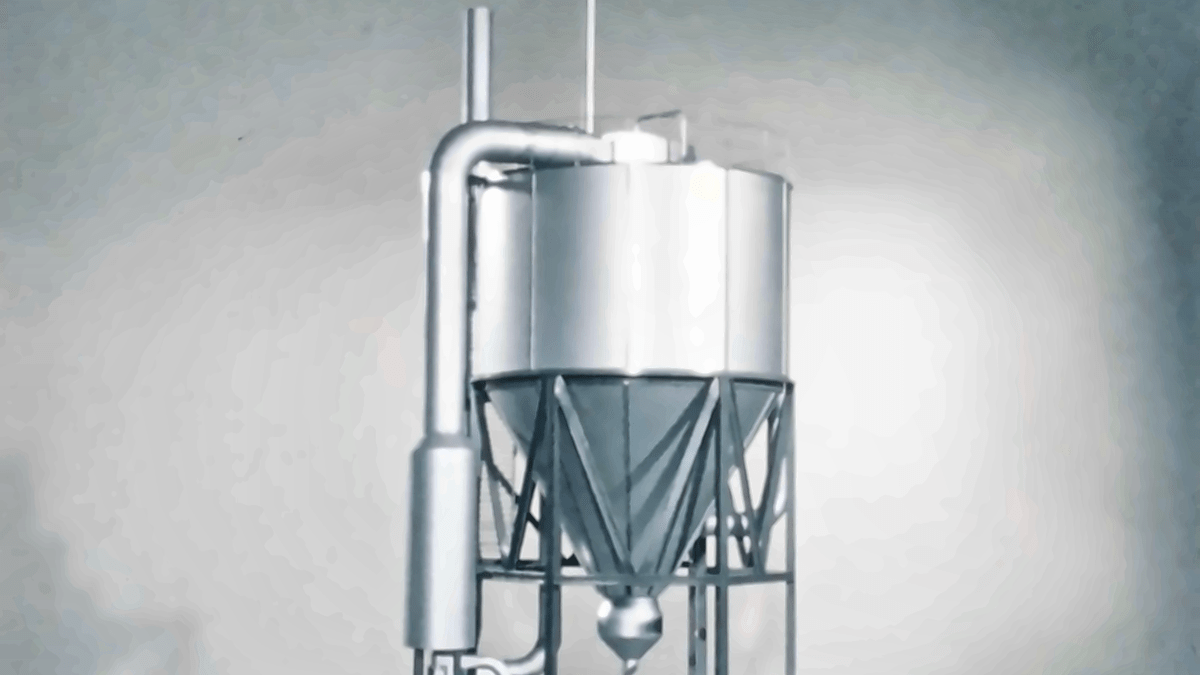
The breakthrough that changed spray drying
In 1976, NIRO engineers responded to a competitive challenge by rethinking what spray drying could do. Their idea became the multi-stage dryer MSD. Fifty years later, the same fundamental principle helps turn liquids into the powders used in essential nutrition products and important medicines around the world. Refined through decades of engineering expertise, customer insight and continuous development, MSD is a story of innovation with lasting impact.
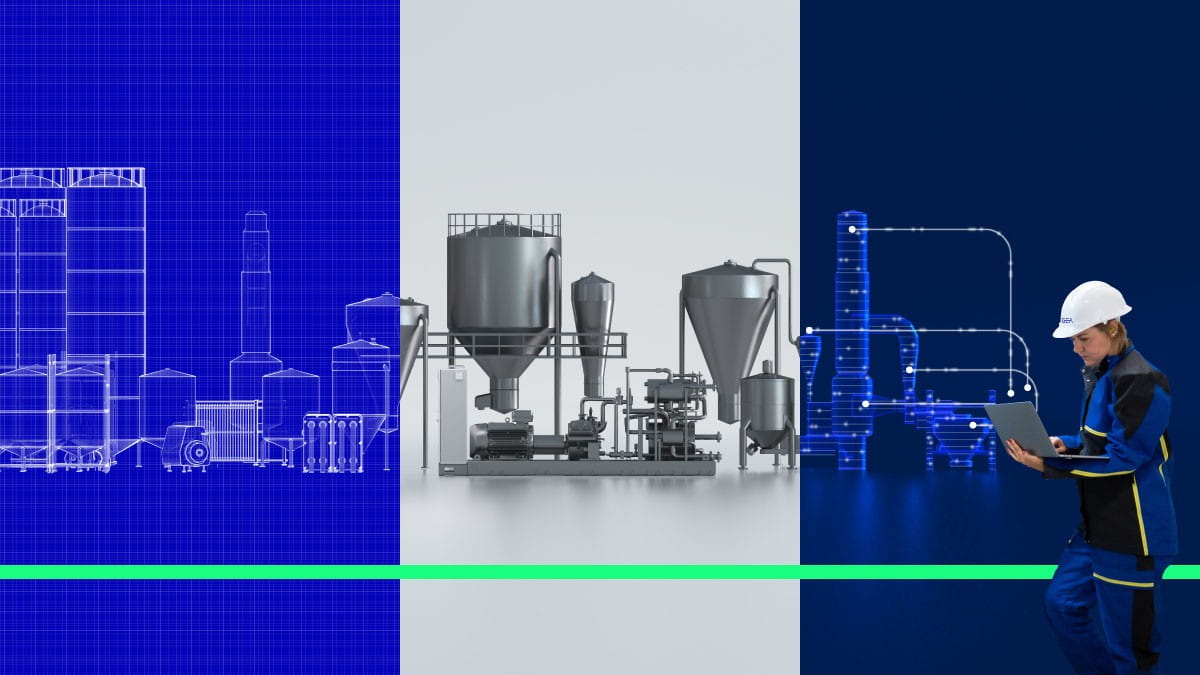
Beyond the machine: unlocking better plant performance
An efficient machine does not automatically make an efficient factory. Real improvement often starts by looking beyond individual equipment and understanding how processes, energy systems and operating decisions affect one another. It’s a holistic approach designed to uncover opportunities that might otherwise be missed.
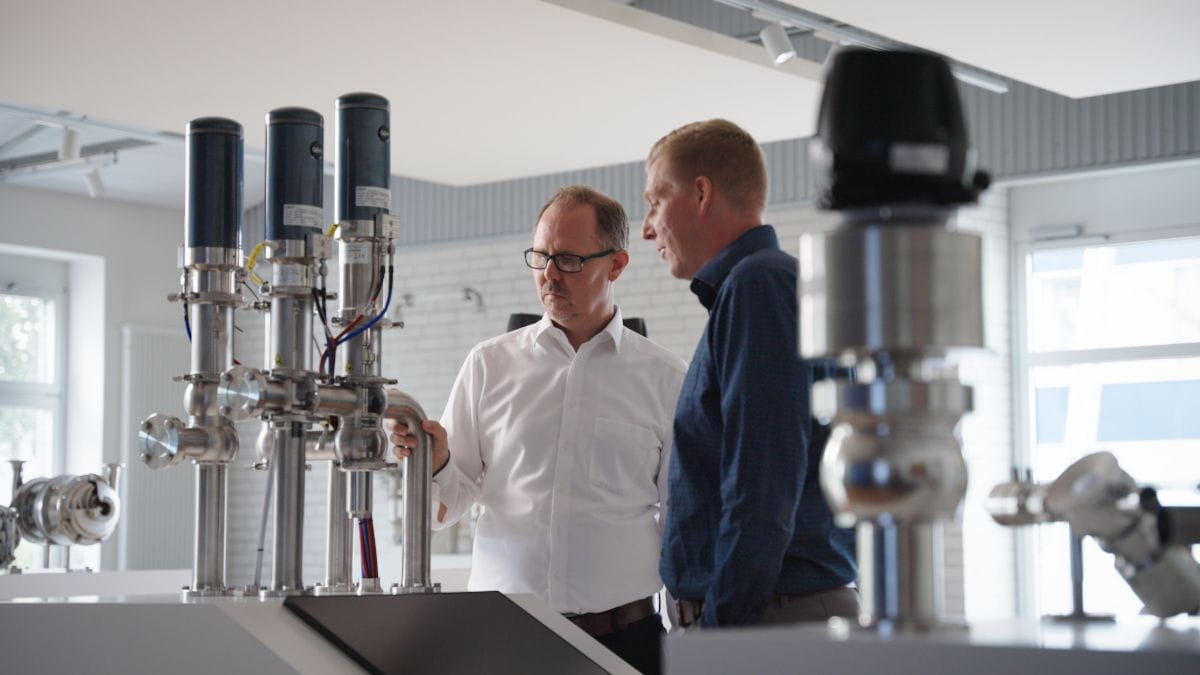
How a valve reshapes the way food and drinks are made
In food and beverage plants, valves are commonly operated using compressed air. GEA Hydract® Actuation Technology moves valves with water instead, in a closed, digitally controlled circuit. The result is a valve that can be held exactly in place and steered in fine-tuned steps. This results in lower energy use and greater control.
