
Fully automated and GMP-compliant, our portfolio of modular equipment ranges from standalone production plant to multi-floor, high-capacity systems as well as ALUS™ (Automatic Loading and Unloading System), integrated isolators and CIP-skids.
We also supply sophisticated solutions for highly potent products and fully integrated systems with multiple freeze dryers and loading systems that are compatible with third-party filling lines, cleanrooms and isolators.
The design and manufacture of each module and system component is done in accordance with all cGMP, CE, GAMP, ASME-BPE and 21 CFR Part 11 guidelines, meeting the strictest requirements and regulatory standards around the world.
In addition, the company’s retrofit expertise enables customers to extend the life of their freeze dryers, modernize their production lines, cope with changing regulations and comply with current requirements for environmentally friendly processing.
By ensuring security of outcome and batch safety, GEA lyophilizers help to reduce the cost of freeze drying while maintaining quality and performance, making validation and documentation easier and reducing delivery times.

Leading the Way in Annex 1 Compliance and Innovation in Freeze-Drying Technology
Products
Showing 4 of 11

ALUS® Load & Unload of Lyophilizers
ALUS® Automatic Load & Unload Systems minimize the risk of operator/product contamination while loading and unloading a freeze dryer.

LYONOVA® Lab-Scale Microwave-Assisted Freeze Dryer
The LYONOVA® lab-scale microwave-assisted freeze dryer enables significantly faster lyophilization while preserving product quality.

LYOSENSE® for Online Moisture Control
LYOSENSE® from GEA, based on multipoint NIR measurements, provides the comprehensive and non-destructive evaluation of freeze-dried product cakes in real-time.

LYOSPARK® - Controlled nucleation in freeze drying
A novel approach to simple, reliable and easily controlled nucleation during industrial freeze drying
Downloads
GEA Insights
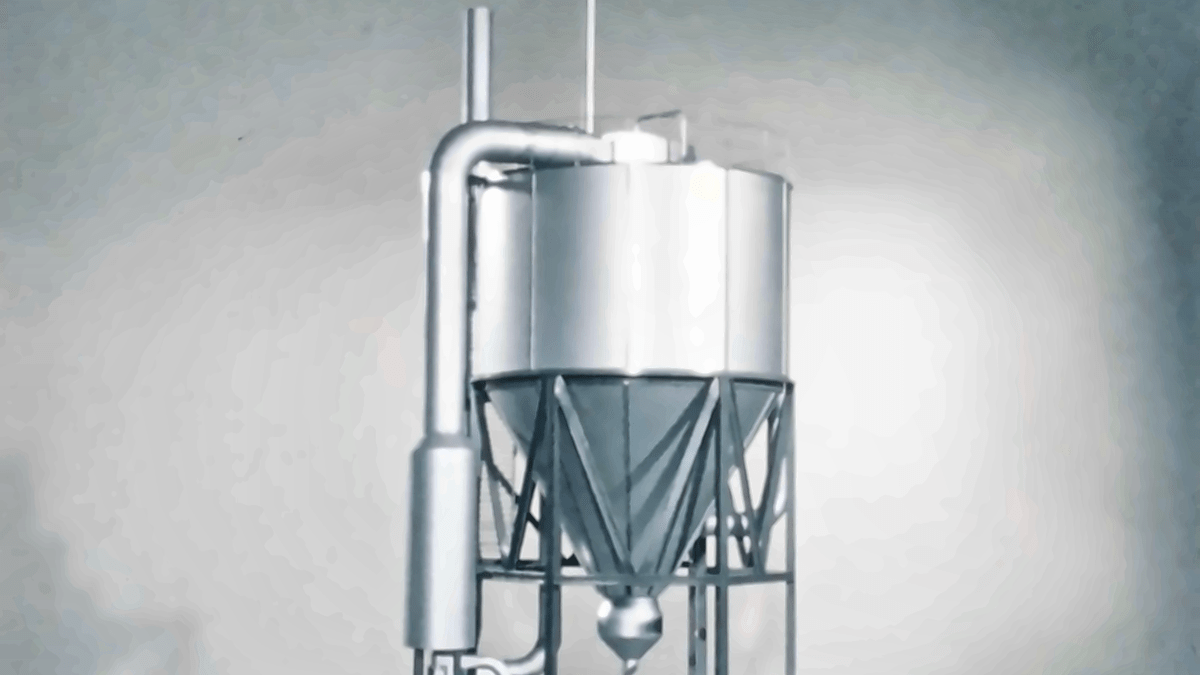
The breakthrough that changed spray drying
In 1976, NIRO engineers responded to a competitive challenge by rethinking what spray drying could do. Their idea became the multi-stage dryer MSD. Fifty years later, the same fundamental principle helps turn liquids into the powders used in essential nutrition products and important medicines around the world. Refined through decades of engineering expertise, customer insight and continuous development, MSD is a story of innovation with lasting impact.
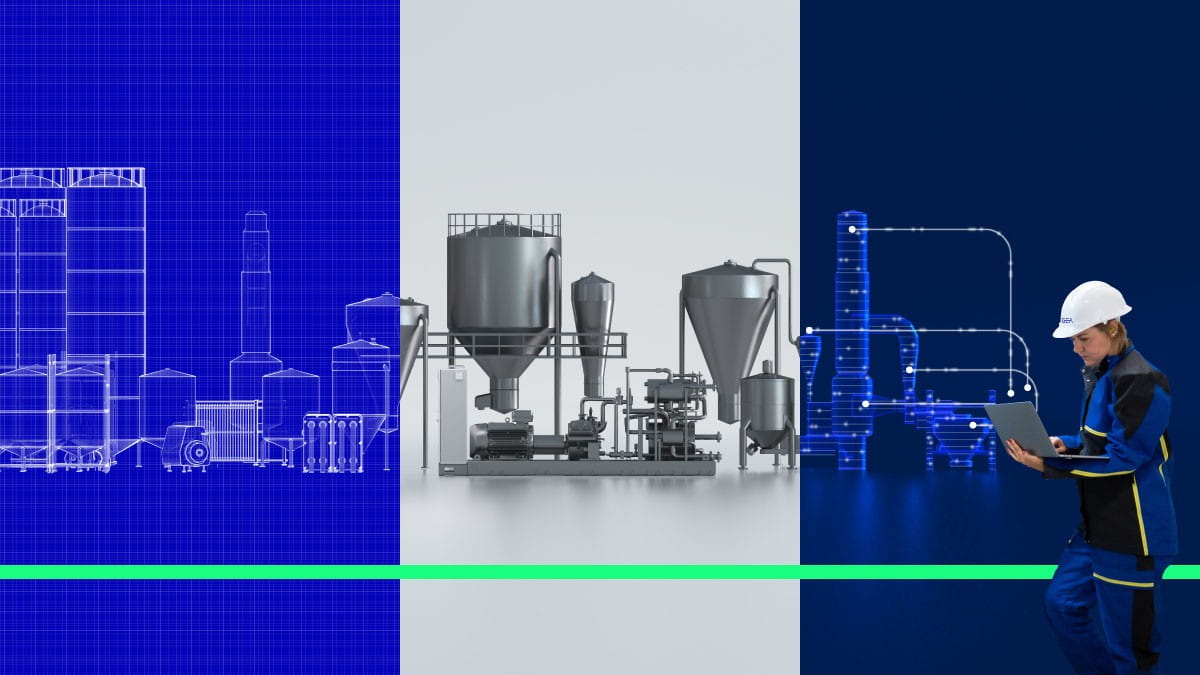
Beyond the machine: unlocking better plant performance
An efficient machine does not automatically make an efficient factory. Real improvement often starts by looking beyond individual equipment and understanding how processes, energy systems and operating decisions affect one another. It’s a holistic approach designed to uncover opportunities that might otherwise be missed.
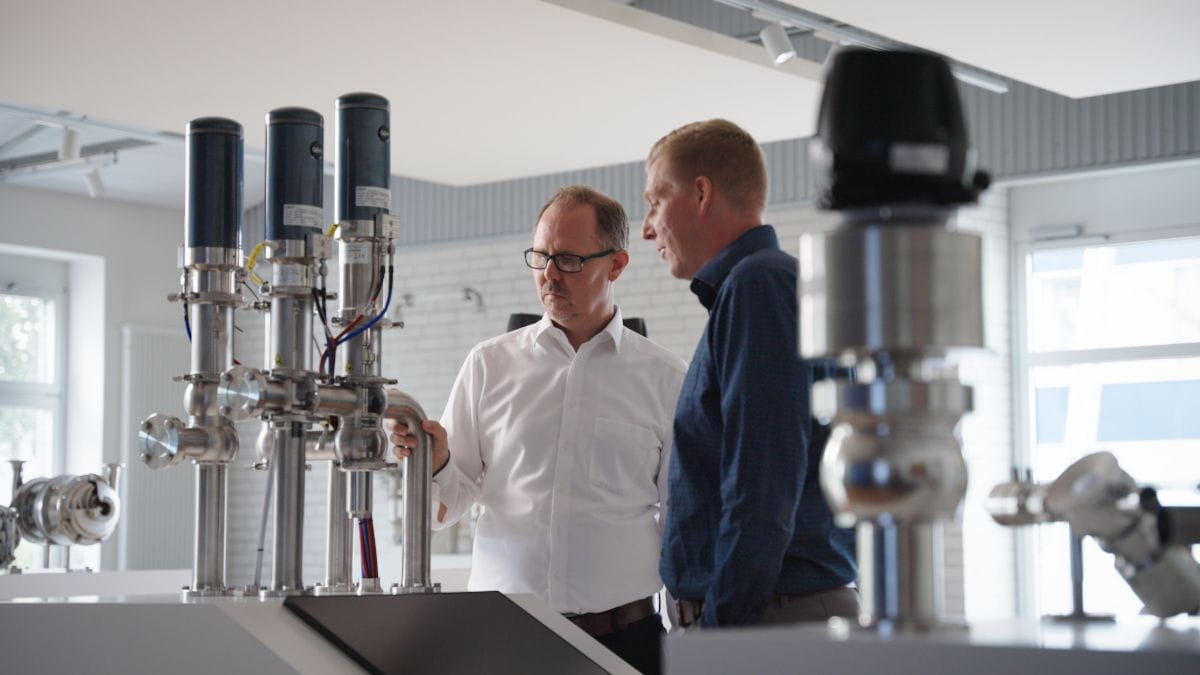
How a valve reshapes the way food and drinks are made
In food and beverage plants, valves are commonly operated using compressed air. GEA Hydract® Actuation Technology moves valves with water instead, in a closed, digitally controlled circuit. The result is a valve that can be held exactly in place and steered in fine-tuned steps. This results in lower energy use and greater control.
