

GEA CIP-STAR® - Advanced CIP concept
Brewhouse operators often focus on maximizing brewhouse yields, supporting vessel availability, and optimizing the use of utilities and process resources. The GEA CIP-STAR® concept utilizes mixproof valve technology to separate vessel groups and pipe sections safely. This enables independent cleaning of vessels and pipelines while production activities continue in other areas of the brewhouse.
Designed around site-specific requirements and operational conditions, the CIP-STAR® upgrade supports flexible cleaning processes while maintaining product integrity throughout the system.
Your benefits at a glance
- Reduced cleaning time – CIP process upgrades can shorten cleaning cycles by up to 3 hours, depending on brewery configuration and operating conditions.
- Parallel operations – Production and CIP activities can be carried out simultaneously in different parts of the brewhouse.
- Optimized cleaning agent usage – The process design can help reduce cleaning agent consumption by eliminating caustic brew, depending on application requirements.
- Resource-conscious operation – Cleaning procedures are designed to support reduced power consumption during CIP operations.
- Earlier production readiness – The pipe system design supports the transition from cleaning to production, helping to improve equipment availability.
- Upgrade-friendly solution – Can support production capacity improvements with limited mechanical modifications, depending on the existing brewhouse configuration.
- Improved equipment utilization - Helps maximize the availability of existing assets, particularly during periods of high production demand.
Downloads

Related Videos
Looking to the future of beer for our 150th
GEA Insights
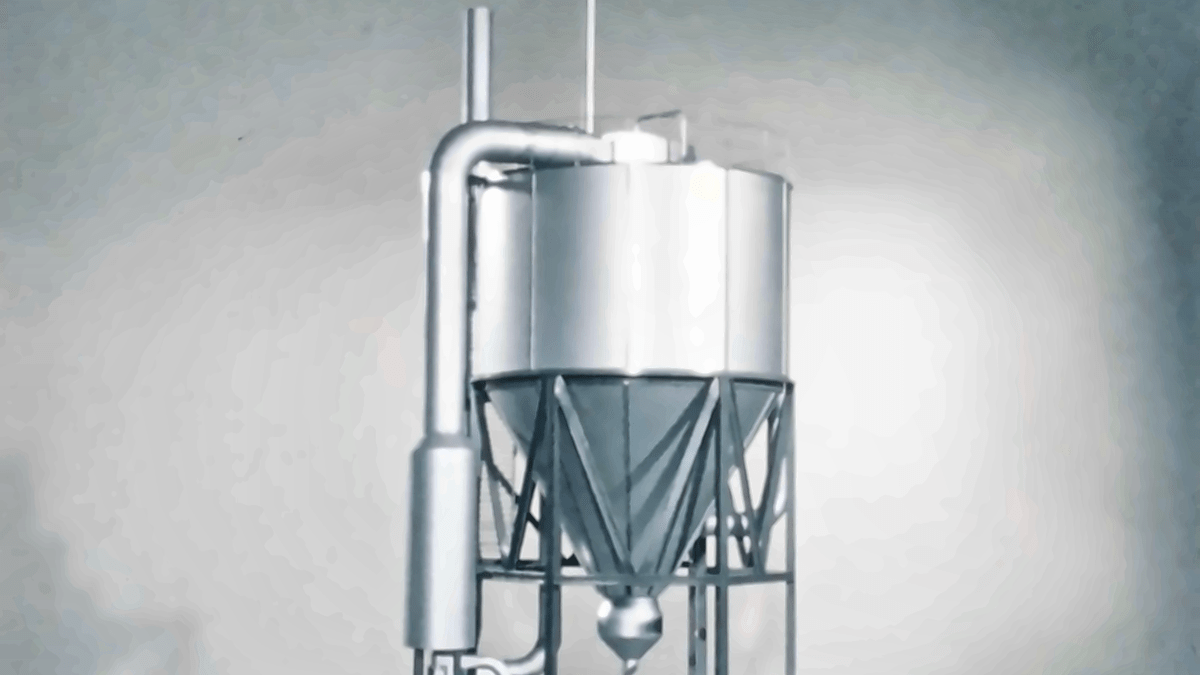
The breakthrough that changed spray drying
In 1976, NIRO engineers responded to a competitive challenge by rethinking what spray drying could do. Their idea became the multi-stage dryer MSD. Fifty years later, the same fundamental principle helps turn liquids into the powders used in essential nutrition products and important medicines around the world. Refined through decades of engineering expertise, customer insight and continuous development, MSD is a story of innovation with lasting impact.

Beyond the machine: unlocking better plant performance
An efficient machine does not automatically make an efficient factory. Real improvement often starts by looking beyond individual equipment and understanding how processes, energy systems and operating decisions affect one another. It’s a holistic approach designed to uncover opportunities that might otherwise be missed.
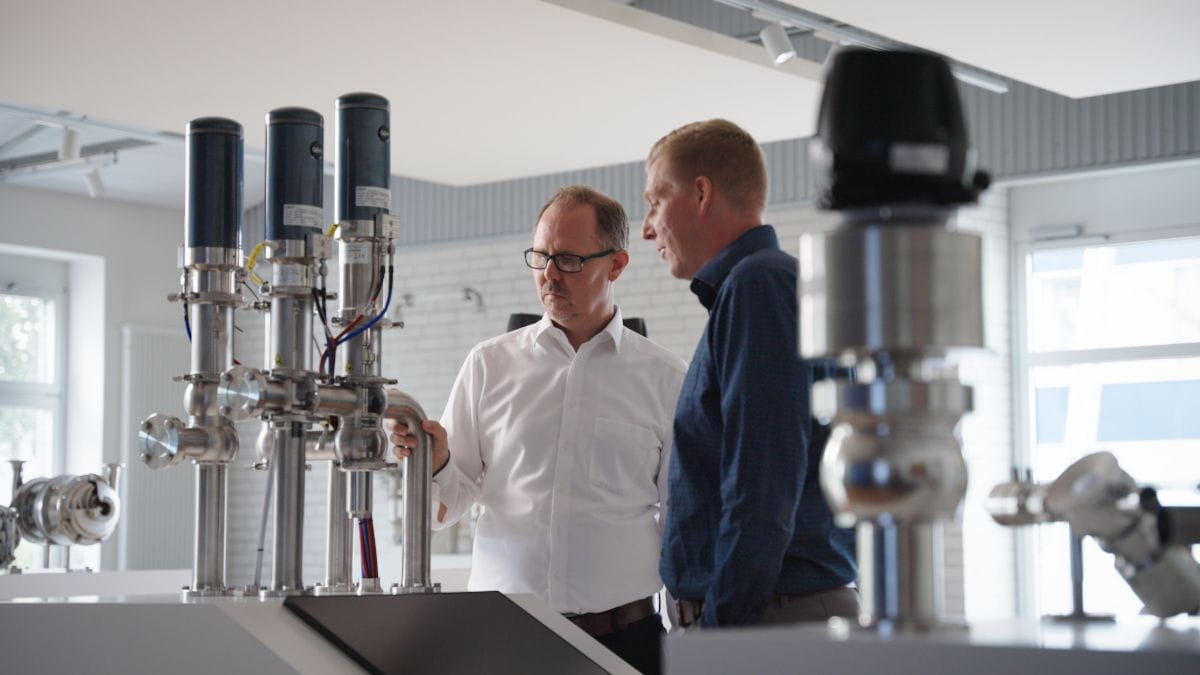
How a valve reshapes the way food and drinks are made
In food and beverage plants, valves are commonly operated using compressed air. GEA Hydract® Actuation Technology moves valves with water instead, in a closed, digitally controlled circuit. The result is a valve that can be held exactly in place and steered in fine-tuned steps. This results in lower energy use and greater control.
