
This 3-Phase separation requires a comparably high amount of dilution water. In olive oil production GEA also offers 3-Phase decanters for treating the waste water from the olive oil recovery process. They reduce the volume of waste water and its COD value and the oil mill gains up to an additional 0.5 percent of oil relative to the quantity of olives processed. When it comes to the recovery of palm oil our 3-Phase decanters are used in the conventional as well as the crude oil process setups.
Features & Benefits
- High speeds for maximum separation precision and even further improved throughput
- Optimally set differential speed at all times
- Full torque at all times, thus full performance at all times
- Long service life and maximum availability
- Easy operation and monitoring
- High efficiency – rapid amortisation
- Maximum product yield
- GEA cetec technology for 1 – 2 percent additional yield in olive oil recovery
Downloads
Related Products

2-Phase Separating Decanters for Oil Recovery
The big advantage of the 2-phase separating decanter for olive and palm oil recovery is the enormous savings when it comes to dilution water.

Nozzle Separators for Oil Recovery
Nozzle separators are used in the conventional process with vertical clarifiers in palm oil mills. GEA also offers special nozzle separators to the palm oil industry in order to recover oil from sterilizer condensate.

Automation & Controls Separation
Even the best centrifuges cannot function optimally if they are not partnered with control systems of equal quality. For their range of separators and decanters, GEA offers standardized as well as tailor-made solutions for machine automation with many features to meet customer requirements.

Separators for Oil Recovery
Polishing separators from GEA ensure the required premium quality of olive, palm, avocado and many other recovered vegetable oils by removing all residues while handling the product with extreme care
Service Products

Remote FATs for GEA Centrifuges
Is a FAT (Factory Acceptance Test) of your centrifuge not possible on site due to current travel restrictions, a very tight schedule or other urgent reasons? Are you generally looking for ways to make business processes more digital and to sustainably reduce costs and time?
Here, too, we are at your side with the professional quality you are accu...

International Repair Network for GEA Centrifuges
Corrective repairs for your GEA separators and decanters
Related Videos
GEA Varipond C
Let’s get connected – digital solutions for GEA centrifuges
Let’s get connected – digital solutions for GEA separators and decanters
GEA Insights
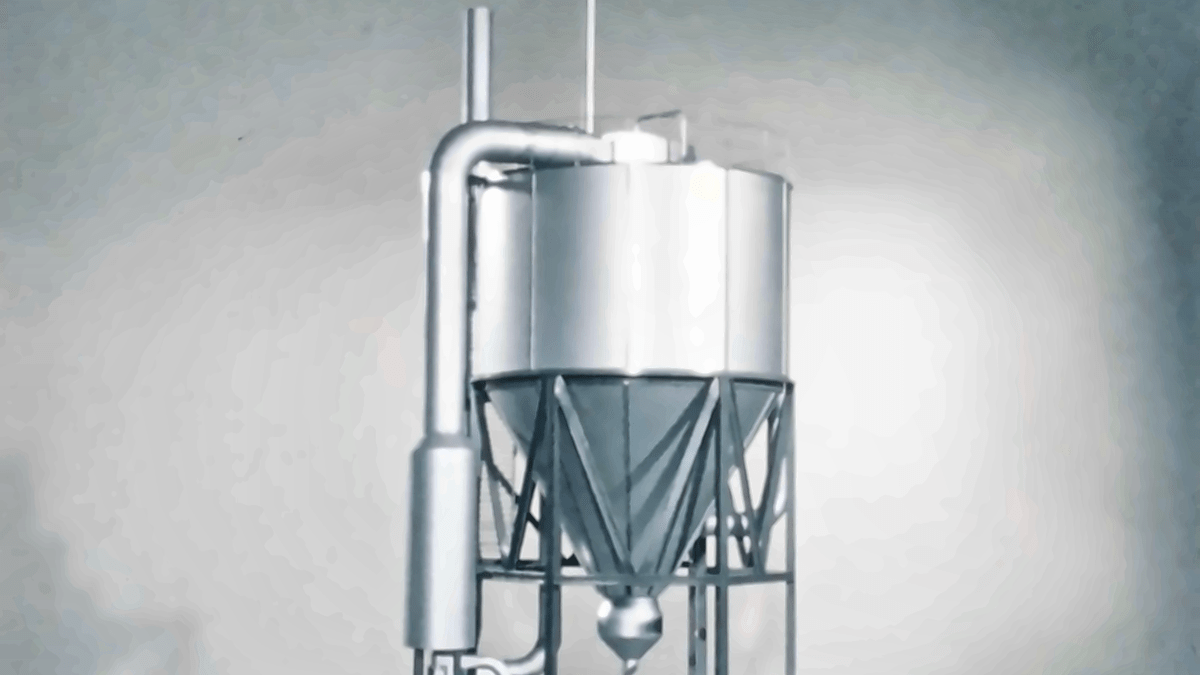
The breakthrough that changed spray drying
In 1976, NIRO engineers responded to a competitive challenge by rethinking what spray drying could do. Their idea became the multi-stage dryer MSD. Fifty years later, the same fundamental principle helps turn liquids into the powders used in essential nutrition products and important medicines around the world. Refined through decades of engineering expertise, customer insight and continuous development, MSD is a story of innovation with lasting impact.
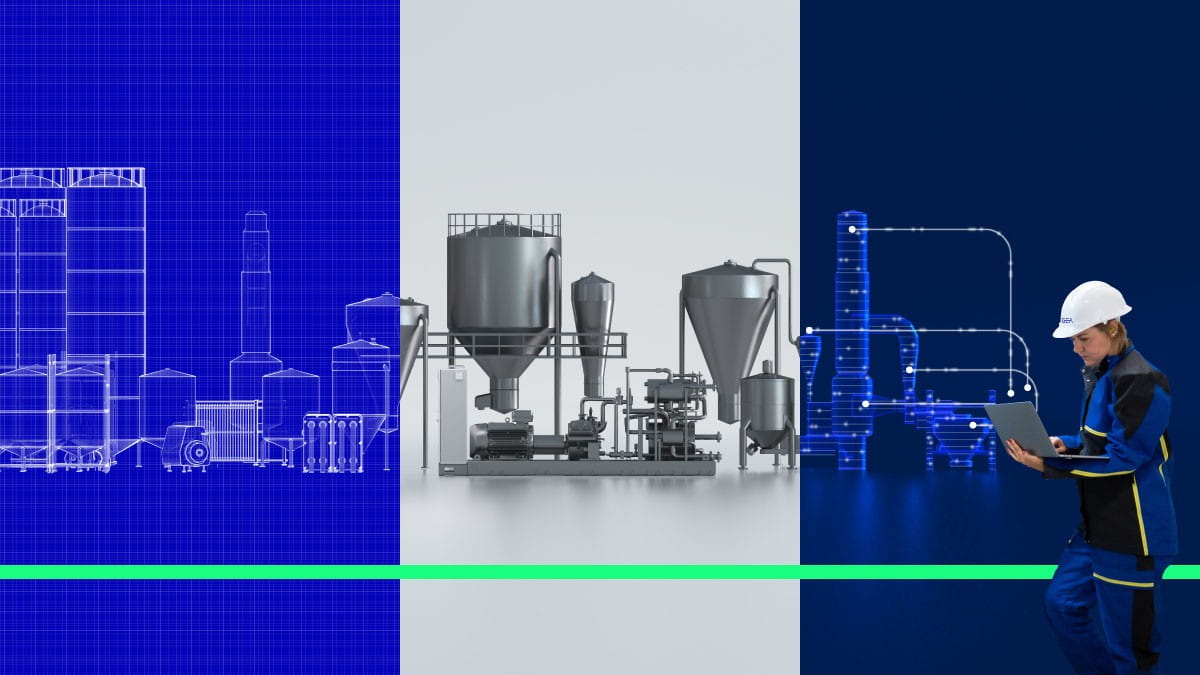
Beyond the machine: unlocking better plant performance
An efficient machine does not automatically make an efficient factory. Real improvement often starts by looking beyond individual equipment and understanding how processes, energy systems and operating decisions affect one another. It’s a holistic approach designed to uncover opportunities that might otherwise be missed.
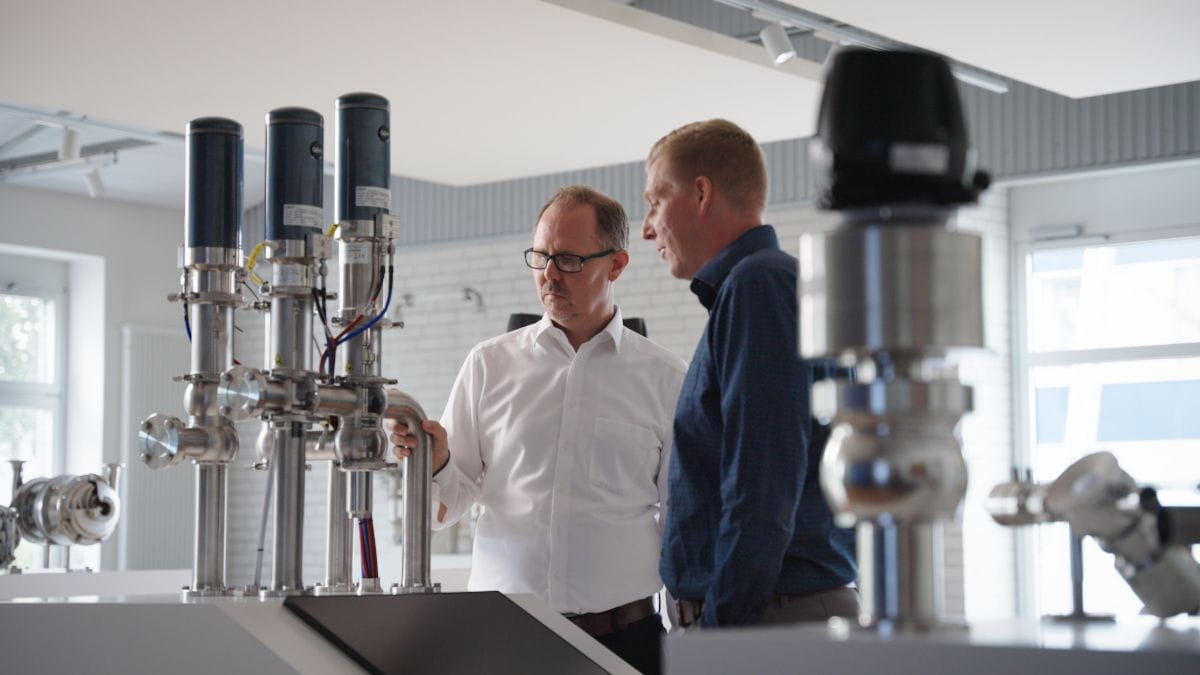
How a valve reshapes the way food and drinks are made
In food and beverage plants, valves are commonly operated using compressed air. GEA Hydract® Actuation Technology moves valves with water instead, in a closed, digitally controlled circuit. The result is a valve that can be held exactly in place and steered in fine-tuned steps. This results in lower energy use and greater control.
