
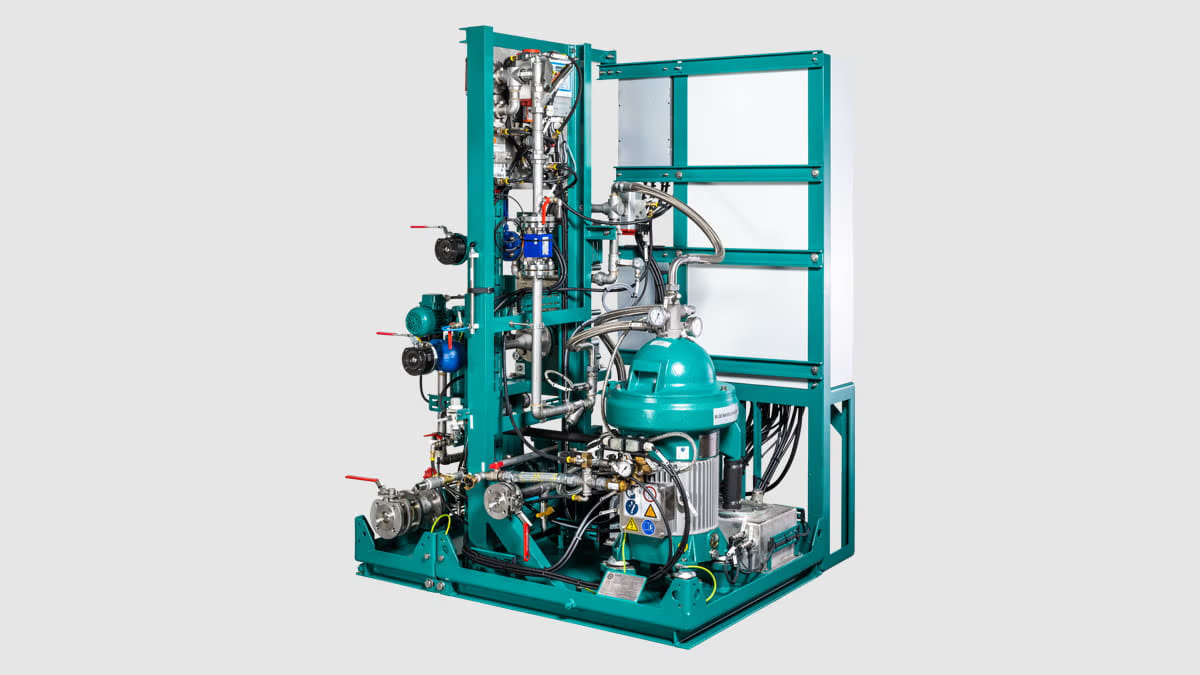
Understanding oily water separation in the marine industry.
Oily water separators (OWS) are critical pieces of oil filtering equipment designed to protect the marine environment from contamination. In engine rooms across the marine industry, these separator units process oily water mixtures from bilge water, ensuring that only clean water is discharged overboard while protecting marine life and meeting stringent environmental regulations.
What is an oily water separator?
An oily water separator, also known as a bilge water separator or bilge oily water separator, is essential equipment installed on vessels to remove oil particles from bilge water before discharge into the ocean. Bilge water accumulates in the lowest part of a ship's hull, collecting oil from machinery, fuel and lube oil systems, and other sources in the engine rooms.
The separator unit works by breaking down the oily water mixture through multiple stages – typically combining gravity separation, coalescing plates or coalescing matrix, and a filter stage to achieve the required purity levels. Modern centrifugal separators, like GEA's bilge separator solutions, use high g-force technology to achieve superior separation efficiency compared to conventional gravity-based systems.
Sustainable purification for cleaner seas.
GEA bilge Separator
The GEA bilge Separator delivers maximum performance per square meter, a simplified service concept and intelligent connectivity. Unlike conventional systems, it achieves a residual oil content of below 15 ppm in all performance classes – without additional adsorption filters or chemicals – thanks to an optimized bowl and disk stack design that ensures gentle product feed and enhanced clarification. With an optional adsorption filter, the residual oil content drops even below 5 ppm.
Key features
- integrated direct drive for higher efficiency
- compact design with a small footprint
- reduced energy consumption
- easy-to-replace drive system
- continuous monitoring of the overboard valve
- seamless integration with GEA SafetyMaster (system-integrated or stand-alone)
- MTP-ready connectivity

Resource efficient solution
As one of our most resource-efficient solutions, our GEA bilge Separator carries the Add Better label.*
The high-efficiency motor transfers energy directly to the bowl without the use of belts and clutches. This reduces the energy consumption of the GEA bilge Separator by 13% compared to the predecessor model.
*The Add Better label relates to the serial product GEA bilge Separator, released in September 2021. The comparison refers to its predecessor model, the GEA Bilge Master.
Meeting the 5 ppm standard
As environmental regulations tighten, many shipping companies now require guaranteed residual oil content below 5 ppm. The GEA bilge Separator meets these strict requirements by incorporating an adsorption filter, ensuring compliance with even the most rigorous standards.
Modular design for customized configurations
The GEA bilge Separator is designed with modular components, allowing flexible installation in any bilge water processing system. The key components include feed pump, automatic filter, preheater, self-discharging separator, oil monitor and control panel.
These components are assembled into two modules (feed pump/preheater unit & separator unit) or can be supplied individually for maximum flexibility, even in confined spaces. An adaptive speed-regulating feed pump automatically adjusts to fluctuating feed conditions, ensuring consistent performance.
Enhanced safety & compliance.
GEA SafetyMaster
Beyond superior separation performance, GEA SafetyMaster adds an extra layer of security:
- Prevents accidental discharge of oil-contaminated bilgewater
- Continuously monitors the separation process
- Automatically records processing data for up to 18 months
- Features a tamper-proof, lockable cabinet that protects against unauthorized access

More than 25 years of GEA centrifugal bilge water treatment

Keep your equipment fit with GEA Service
Seven seas. One revolutionary service concept.

The GEA marine Separator
Pushing the limits
Downloads
Downloads
Related Products

GEA bilgEGR Solution
GEA bilgEGR Solution is a combined Exhaust Gas Recirculation (EGR) and oily bilge water system designed to treat water on board ships. After treatment, the purified water can be discharged into the sea.

Separators for Marine
Marine separators specialize in the purification of fuel and lube oil as well as bilge and EGR water treatment on board ships.

GEA marine Upgrade Kit for separators
Designed to automate various separator processes, the GEA marine Upgrade Kit features advanced software and easy-to-use hardware components for seamless integration. By extending the capabilities of our marine separators, this solution improves efficiency and promotes environmental sustainability.

GEA biofuel Separator
GEA biofuel Separators are tailored to the specific characteristics of biofuels, efficiently separating water and contaminants to meet the stringent requirements of the industry.

GEA Insights
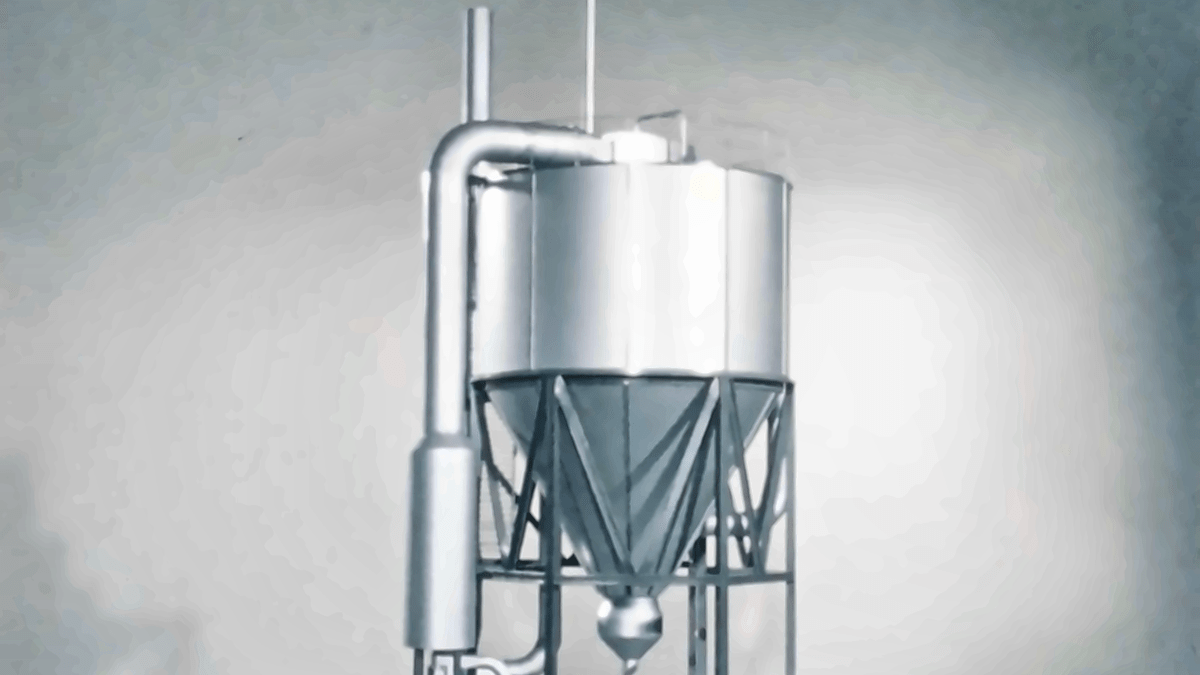
The breakthrough that changed spray drying
In 1976, NIRO engineers responded to a competitive challenge by rethinking what spray drying could do. Their idea became the multi-stage dryer MSD. Fifty years later, the same fundamental principle helps turn liquids into the powders used in essential nutrition products and important medicines around the world. Refined through decades of engineering expertise, customer insight and continuous development, MSD is a story of innovation with lasting impact.
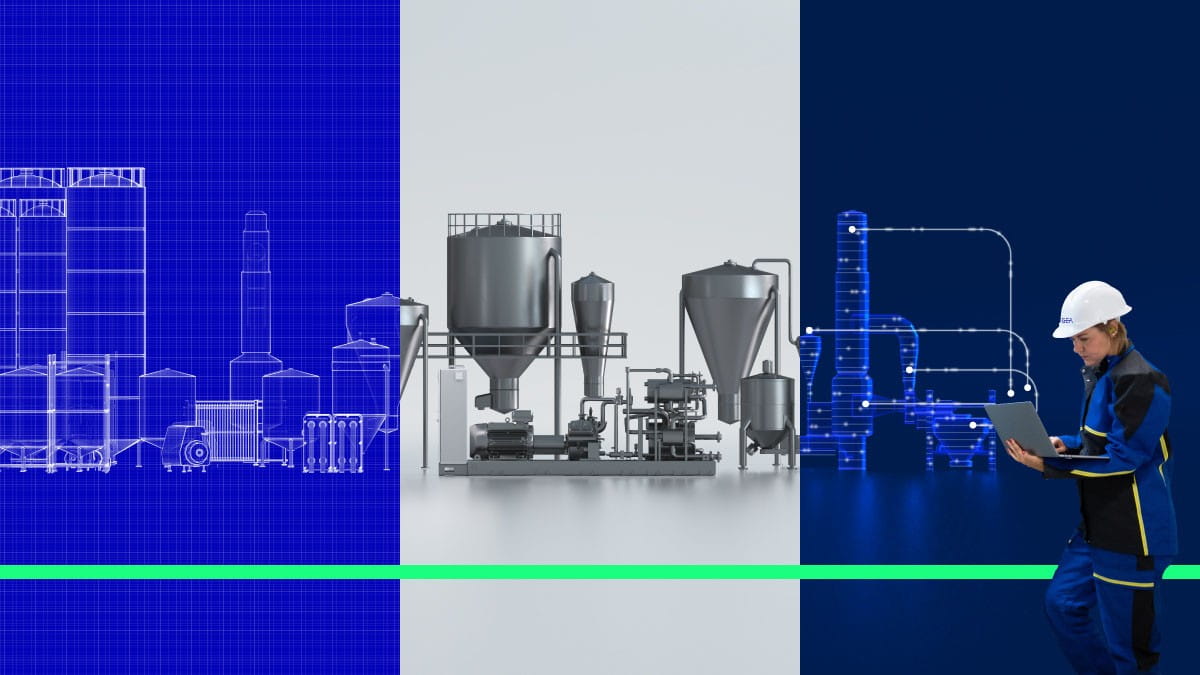
Beyond the machine: unlocking better plant performance
An efficient machine does not automatically make an efficient factory. Real improvement often starts by looking beyond individual equipment and understanding how processes, energy systems and operating decisions affect one another. It’s a holistic approach designed to uncover opportunities that might otherwise be missed.
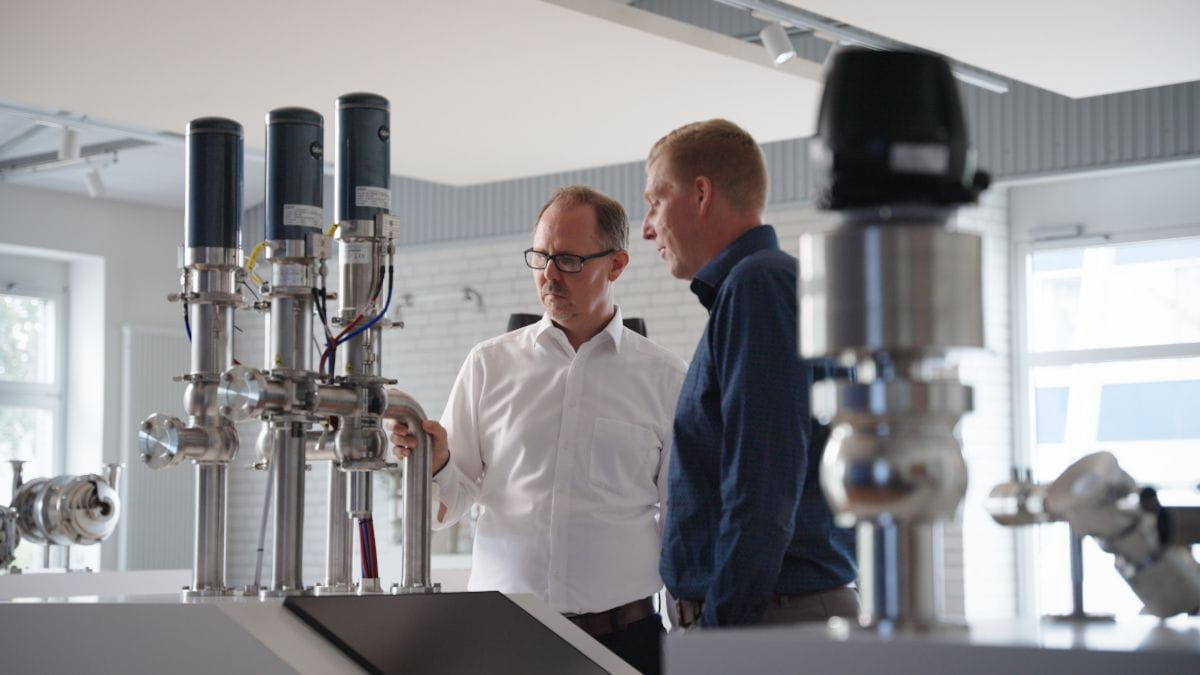
How a valve reshapes the way food and drinks are made
In food and beverage plants, valves are commonly operated using compressed air. GEA Hydract® Actuation Technology moves valves with water instead, in a closed, digitally controlled circuit. The result is a valve that can be held exactly in place and steered in fine-tuned steps. This results in lower energy use and greater control.
