
Explore further
Products
Showing 4 of 33

CO2 Recovery
As well as helping to reduce production costs, CO2 recovery from fermentation means a greener process overall, with lower emissions and a reduced carbon footprint.

GEA AromaPlus Membrane Dealcoholization Unit
Supporting small to large feed rates, and configurable for both batch and continuous processes, the dedicated AromaPlus system is built on our reverse osmosis (RO) membrane filtration technology.

GEA AromaPlus PRO Membrane Dealcoholization Unit
The GEA AromaPlus PRO is a two-stage reverse osmosis (RO) membrane filtration system that makes it possible to cut by potentially 80% or more fresh water draw for diafiltration during beverage dealcoholization.
GEA Brewhouse
High-efficiency brewhouse solution for large-scale beer production.


Downloads
Service Products

GEA Brewhouse Performance Boost
Deep dive into the brewing process with GEA Brewhouse Performance Boost to identify improvement areas and realize savings.

GEA Multifunctional Lautering Management (MLM)
GEA Multifunctional Lautering Management is a software developed for the continuous monitoring of the lautering process that initiates interventions to optimize your lautering in real-time. It compensates for variations in raw material quality so the brewmaster doesn’t need to do it manually.

GEA Intelligent Wort Boiling Management (IWM)
Wort boiling is the process step that uses the most energy in your brewhouse. The standard wort boiling process is related to static parameters – independent from boiling volume and energy consumption. When the parameters for each recipe have been entered, you can no longer make changes, even if the environment affects the process.
Related Videos
A day of celebration: 150 years brewing systems at GEA
GEA QBOIL Wort Boiling System
Looking to the future of beer for our 150th
GEA Insights
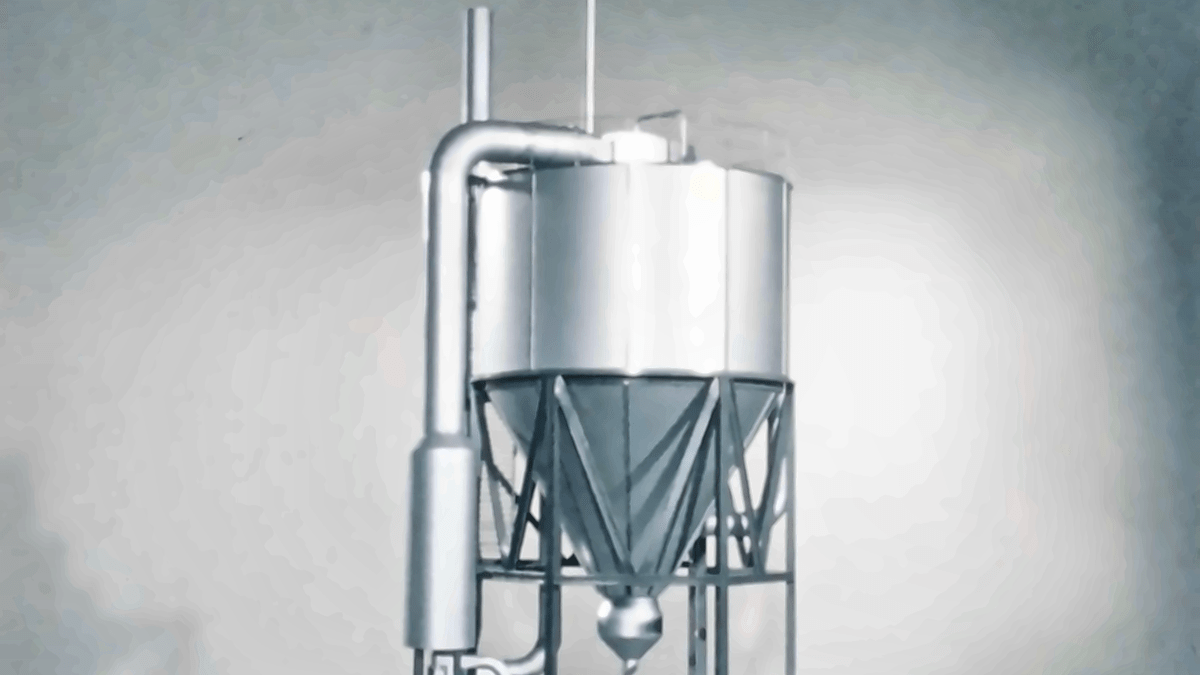
The breakthrough that changed spray drying
In 1976, NIRO engineers responded to a competitive challenge by rethinking what spray drying could do. Their idea became the multi-stage dryer MSD. Fifty years later, the same fundamental principle helps turn liquids into the powders used in essential nutrition products and important medicines around the world. Refined through decades of engineering expertise, customer insight and continuous development, MSD is a story of innovation with lasting impact.
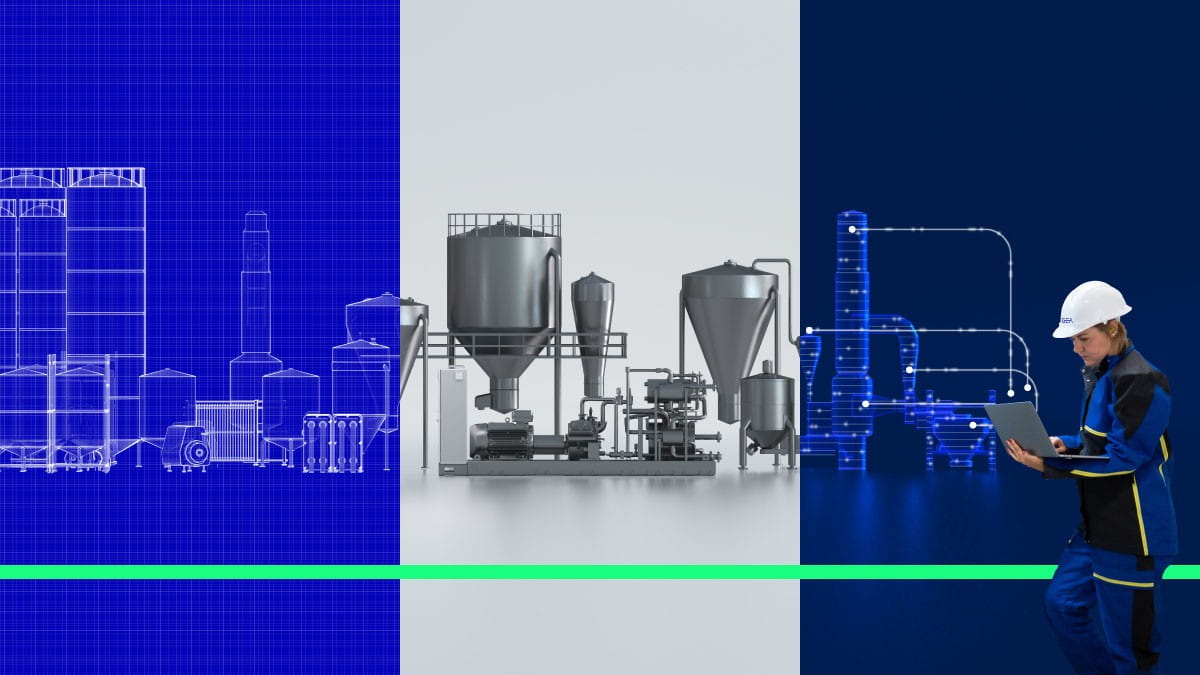
Beyond the machine: unlocking better plant performance
An efficient machine does not automatically make an efficient factory. Real improvement often starts by looking beyond individual equipment and understanding how processes, energy systems and operating decisions affect one another. It’s a holistic approach designed to uncover opportunities that might otherwise be missed.
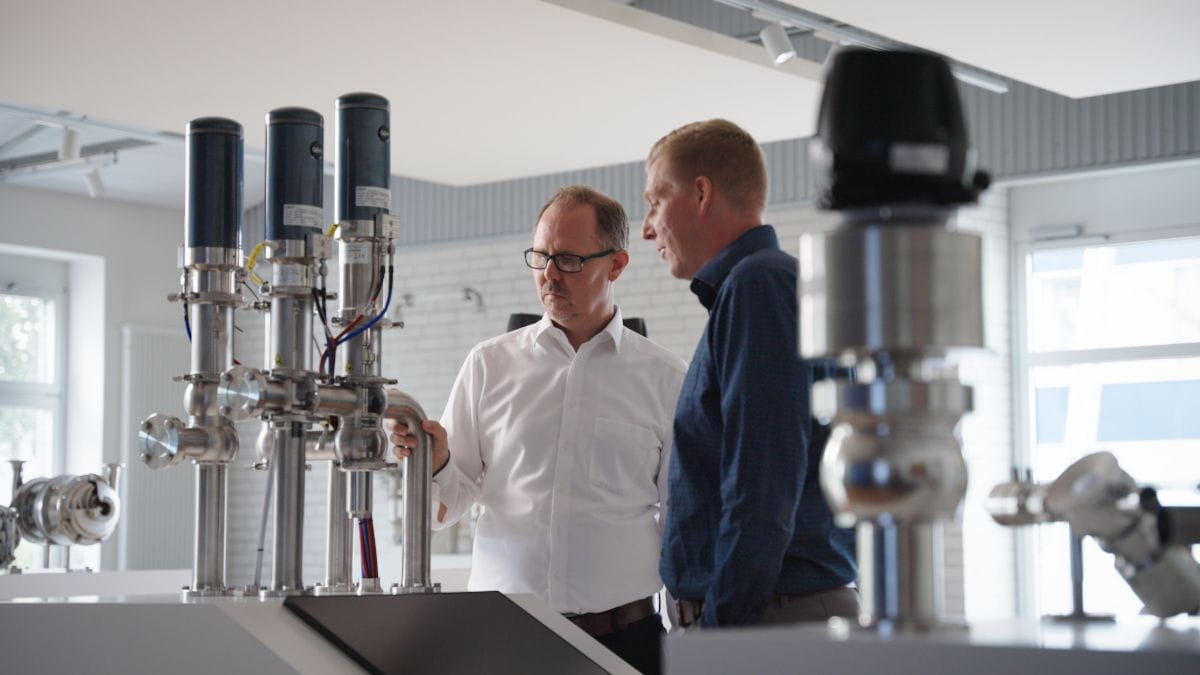
How a valve reshapes the way food and drinks are made
In food and beverage plants, valves are commonly operated using compressed air. GEA Hydract® Actuation Technology moves valves with water instead, in a closed, digitally controlled circuit. The result is a valve that can be held exactly in place and steered in fine-tuned steps. This results in lower energy use and greater control.
