

Applications
- When no steam is available as motive medium for a steam jet vacuum pump required to produce a vacuum of 40 to 5 mbar.
- When a liquid ring pump is available with a suction capacity sufficient to handle the motive air of the air jet pump and when a suction pressure below 40 mbar is to be produced.
- When a vacuum of 40 to 5 mbar is to be produced and simple installation with low capital cost is important.
- When only a small suction capacity at a suction pressure of 40 to 50 mbar is required and cooling water at low temperature is available, because under these circumstances, the power consumption of the liquid ring vacuum pump is relatively low.
Mode of operation
Air jet vacuum pumps use atmospheric air as motive medium. Backed by a liquid ring vacuum pump which produces an intermediate vacuum of 50 to 100 mbar, the air jet vacuum pump can reach a suction pressure of 5 mbar, depending on design and operating conditions.
Whenever it is a question of low energy consumption, it is better to connect a steam jet pump with condenser to the suction side of the liquid ring vacuum pump, whereby the motive medium (steam) of the jet pump is condensed and does not load the liquid ring vacuum pump as is the case with an air jet pump.
Advantages
- No moving parts
- Maintenance-free
- Can be installed in virtually all situations
- Quickly and easily put into operation
- Almost unlimited life, when a suitable material of construction is chosen
- Can be manufactured from various materials of construction
- Low acquisition costs
Downloads
Related Products

Variable - Flow Ejectors
Variable - Flow Ejectors are based on proven GEA jet pump technology and often used for heat recovery.

Steam jet ventilator
Steam jet ventilators are based on proven jet pump technology and often used to convey air, gases and vapors.

Steam jet compressor
Steam jet compressors type bv1 are based on proven jet pump technology and often used used in evaporating, distillation, cooling, crystallization, deodorization, degassing and drying under vacuum.

Liquid jet liquid pump
Liquid jet liquid pumps are used for conveying and mixing liquids such as water, acids or lye in water and waste water treatment plants.
GEA Insights
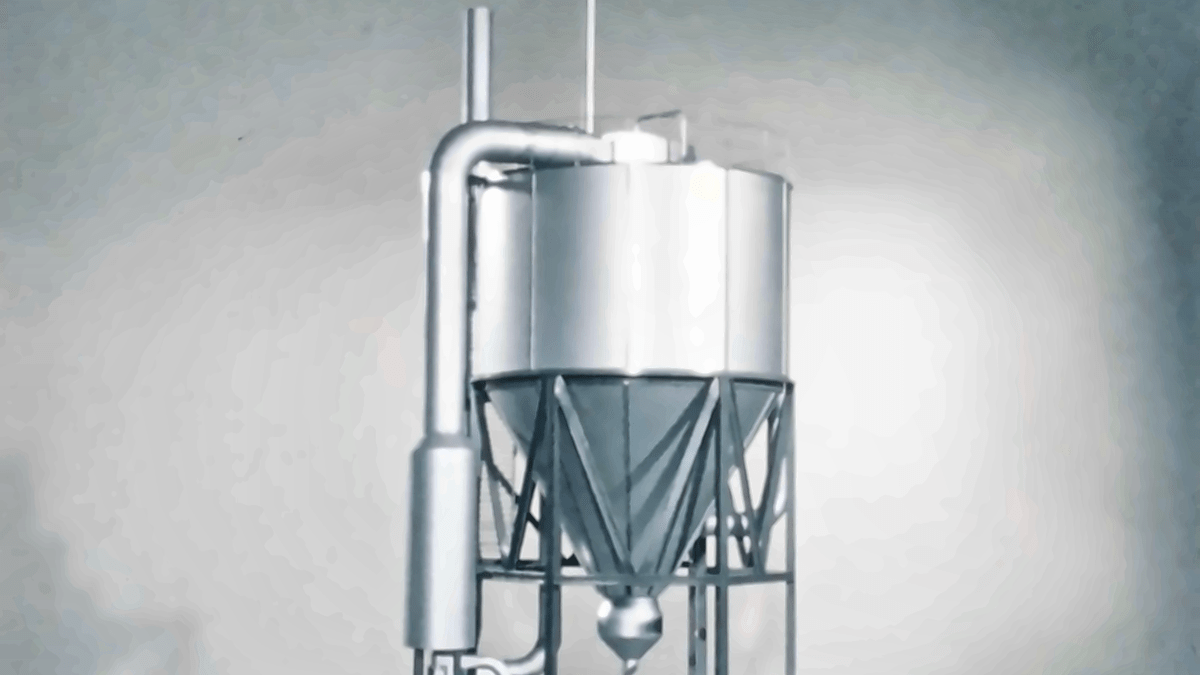
The breakthrough that changed spray drying
In 1976, NIRO engineers responded to a competitive challenge by rethinking what spray drying could do. Their idea became the multi-stage dryer MSD. Fifty years later, the same fundamental principle helps turn liquids into the powders used in essential nutrition products and important medicines around the world. Refined through decades of engineering expertise, customer insight and continuous development, MSD is a story of innovation with lasting impact.
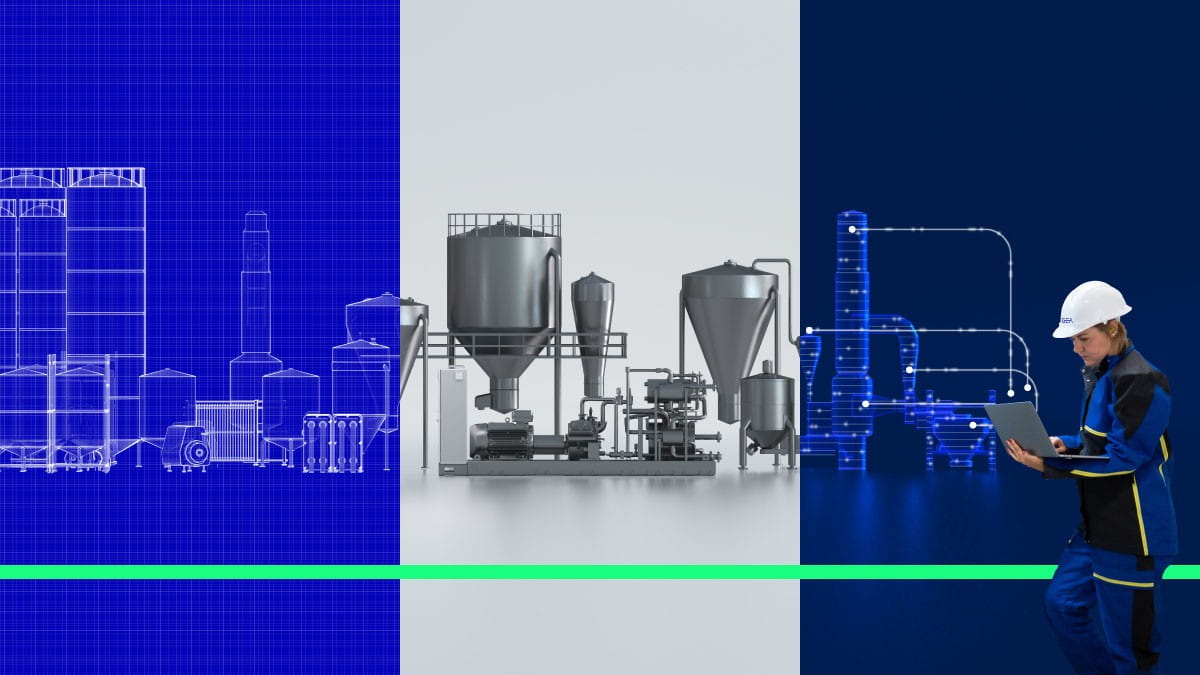
Beyond the machine: unlocking better plant performance
An efficient machine does not automatically make an efficient factory. Real improvement often starts by looking beyond individual equipment and understanding how processes, energy systems and operating decisions affect one another. It’s a holistic approach designed to uncover opportunities that might otherwise be missed.
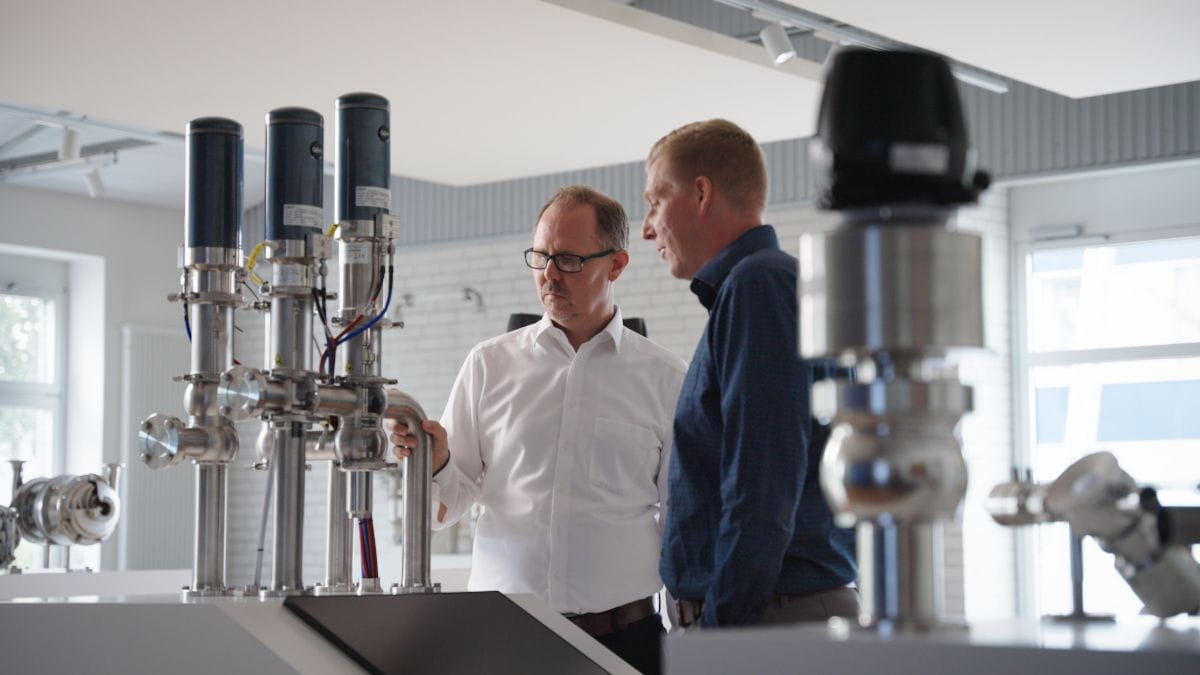
How a valve reshapes the way food and drinks are made
In food and beverage plants, valves are commonly operated using compressed air. GEA Hydract® Actuation Technology moves valves with water instead, in a closed, digitally controlled circuit. The result is a valve that can be held exactly in place and steered in fine-tuned steps. This results in lower energy use and greater control.
