

Energy-efficient evaporation for phosphate production
Phosphoric acid concentration is an energy-intensive step in phosphate and fertilizer production. ATMOS helps producers reduce steam consumption, lower cooling water demand and cut CO2 emissions by recovering energy from process vapors that would otherwise be lost.
Many existing phosphoric acid concentration units still operate as conventional single-effect evaporators. These systems can create several operational and environmental challenges:
- High steam consumption
- Excessive cooling water demand
- Contamination risks in cooling water circuits caused by fluorine and silica
- Limited opportunities for energy recovery
- Increasing compliance pressure due to environmental regulations and decarbonization targets
ATMOS addresses these challenges with a patented, energy-integrated evaporation concept that combines double-effect evaporation, vapor purification and fluorine capture in one practical solution.
What is ATMOS?
ATMOS is a patented evaporation technology developed by GEA in partnership with Yara International for energy-efficient phosphoric acid concentration. The technology is designed to help phosphate producers improve steam economy, reduce utility costs and modernize existing evaporation systems with minimal plant modifications.
The concept converts conventional single-effect evaporation systems into highly efficient double-effect evaporation units. This makes ATMOS suitable for:
- Existing plant revamps
- Capacity and efficiency upgrades
- New phosphoric acid concentration plants
- Decarbonization initiatives
- Energy optimization programs
With ATMOS, phosphate producers can improve the sustainability and competitiveness of phosphoric acid concentration without replacing existing evaporation assets.
Key benefits of ATMOS
- Up to 46% lower steam consumption
By recovering and reusing process vapors, ATMOS significantly reduces the amount of live steam required for concentration.
- 40% reduction in cooling water demand
Lower cooling requirements reduce operating costs and improve overall plant sustainability.
- Significant CO2 reduction potential
Improved steam efficiency directly lowers fuel consumption and associated emissions, supporting corporate decarbonization strategies.
- Enhanced resource efficiency
By recovering energy already available in the process, ATMOS helps maximize output from existing infrastructure while reducing utility demand.

ATMOS
1
Atmospheric Evaporator (1st Effect)
2
Vapor Scrubbing System
3
Vacuum Evaporator (2nd Effect)
5
Fluorosilicic Acid Recovery System
How does ATMOS work?
ATMOS is designed for merchant-grade phosphoric acid concentration and can support both revamp projects and new installations. ATMOS uses an integrated wash column to purify fluorine- and silica-containing vapors so they can be reused as a heating medium in a second evaporation effect.
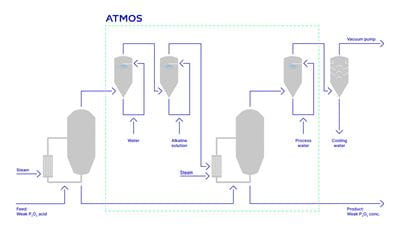
ATMOS flow scheme
Why choose ATMOS?
ATMOS gives phosphate producers a proven route to recover energy previously lost during phosphoric acid concentration and reduce the utility demand of existing or new evaporation systems.
- Up to 46% lower steam consumption
- 40% lower cooling water demand
- Improved sustainability and emissions reduction
- Minimal modifications to existing concentration lines
- Proven solution developed with Yara International
- Full GEA support from feasibility study to commissioning
- Pilot plant available for testing and validation.

Add Better Certified
A better future doesn't come with a price tag, but it does come with a label.
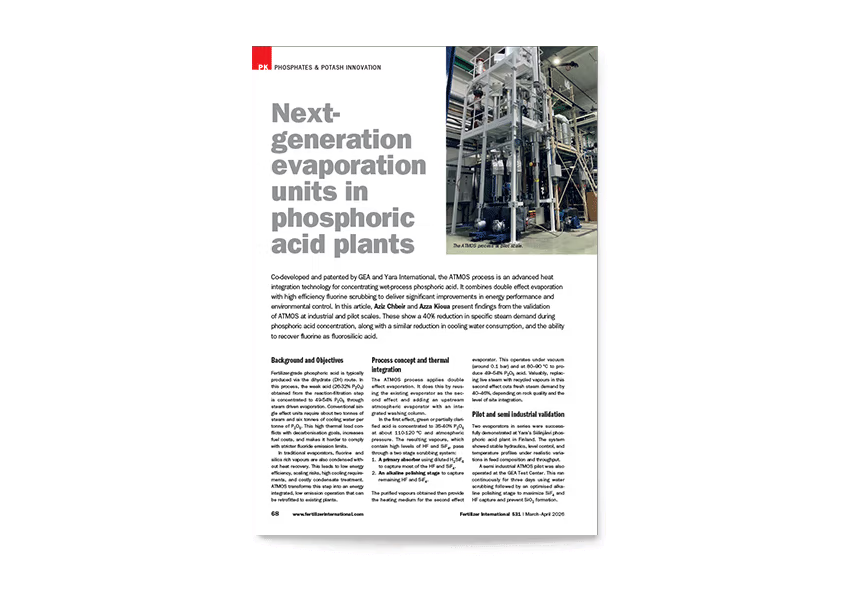
Get the ATMOS article
Improve energy performance and environmental control with ATMOS - the advanced heat integration technology for concentrating wet-process phosphoric acid.
Downloads
Verwandte Produkte

Zwangsumlaufverdampfer
Ideal für hochviskose Flüssigkeiten oder solche, die zur Verschmutzung neigen. Optimal für Salzlösungen und andere Anwendungen.

Gegenstromkolonne
Die gebräuchlichsten Komponenten für den Gas-/Flüssigkeitsaustausch, die für die Reinigung von Abgasen durch chemische oder physikalische Absorption verwendet werden.

GEA Insights
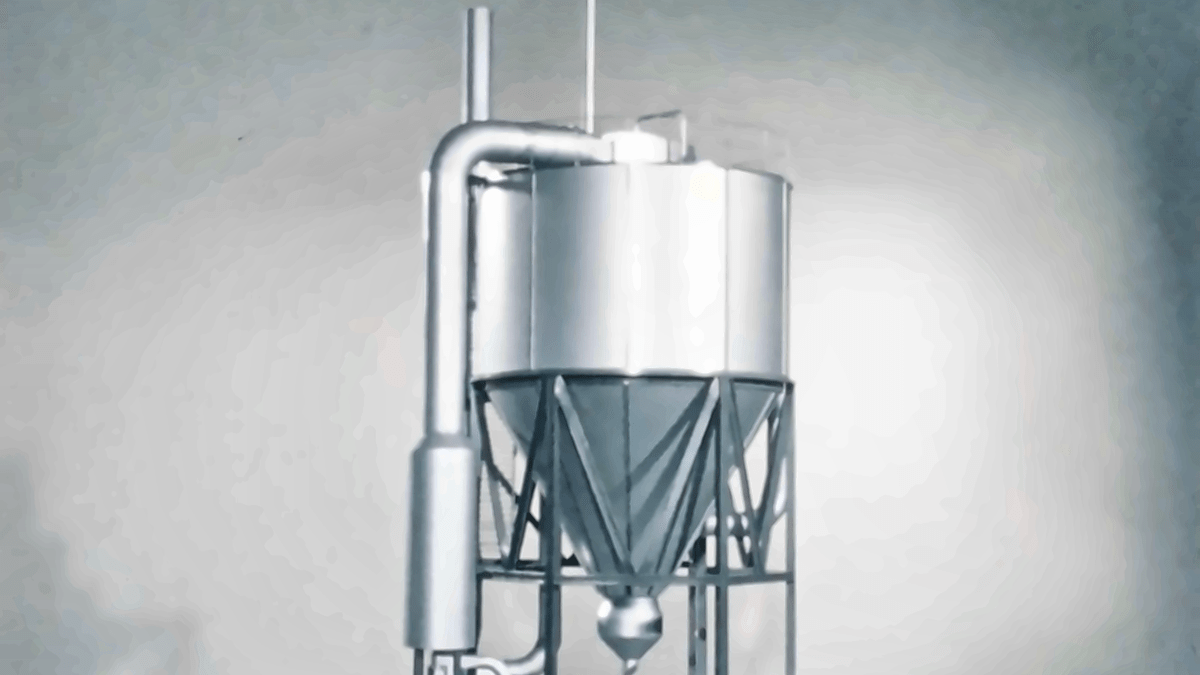
Der Durchbruch, der die Sprühtrocknung revolutionierte
Im Jahr 1976 stellten sich die Ingenieure von NIRO einer neuen Herausforderung im Wettbewerbsumfeld und überdachten die Möglichkeiten der Sprühtrocknung. Aus ihrer Idee entstand der Mehrstufentrockner MSD. Fünfzig Jahre später trägt dasselbe Grundprinzip dazu bei, Flüssigkeiten in Pulver umzuwandeln, die weltweit in unverzichtbaren Ernährungsprodukten und wichtigen Arzneimitteln zum Einsatz kommen. Der MSD wurde durch jahrzehntelanges ingenieurtechnisches Know-how, Kundenfeedback und kontinuierliche Weiterentwicklung verfeinert und steht für eine Erfolgsgeschichte der Innovation mit nachhaltiger Wirkung.
Das Ganze im Blick: Wie Anlagen dauerhaft besser laufen
Eine effiziente Maschine macht noch keine effiziente Produktion. Echte Verbesserungen beginnen oft damit, den Blick über die einzelnen Anlagenelemente hinaus zu richten und zu verstehen, wie sich Prozesse, Energiesysteme und betriebliche Entscheidungen gegenseitig beeinflussen. Ein solcher ganzheitlicher Ansatz hilft beim Identifizieren von Potenzialen, die sonst verborgen bleiben.
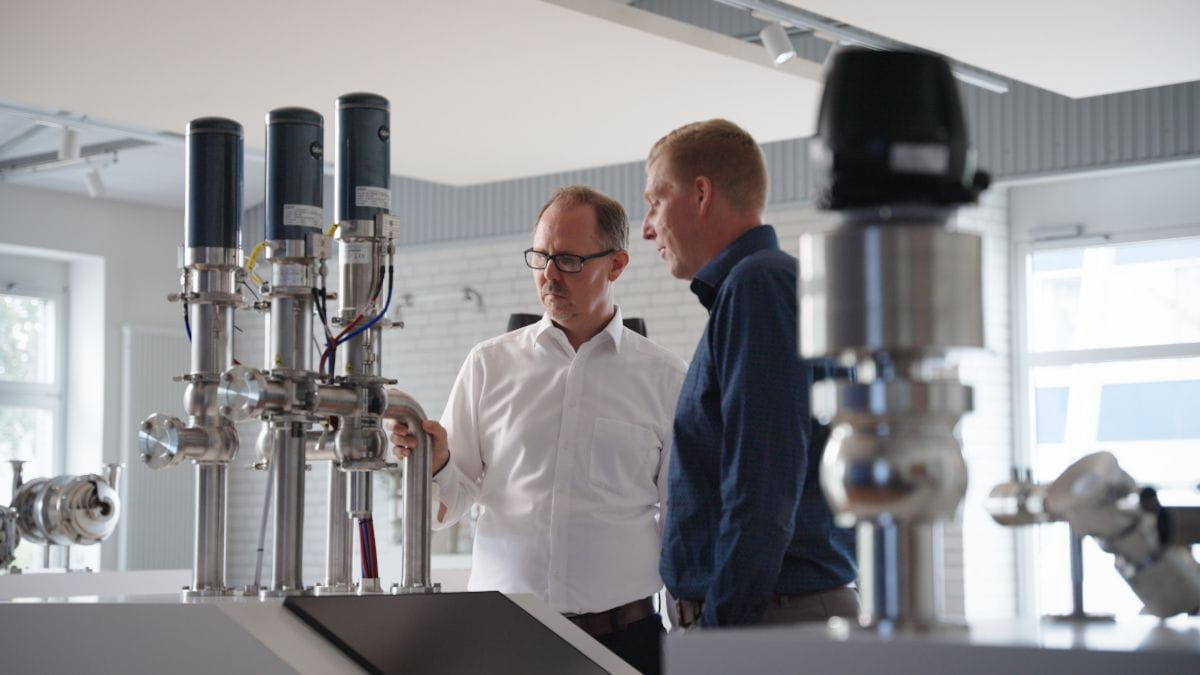
Wie eine neue Ventiltechnologie die Produktion von Lebensmitteln und Getränken verändert
In der Lebensmittel- und Getränkeindustrie werden Ventile traditionell mit Druckluft betrieben. Die GEA Hydract®-Antriebstechnologie betätigt Ventile dagegen mit Wasser in einem geschlossenen, digital gesteuerten Kreislauf. Das Ergebnis: Ventile lassen sich präzise in jeder gewünschten Position halten und in fein abgestuften Schritten steuern. Dadurch sinken der Energieverbrauch und gleichzeitig steigt die Prozesskontrolle erheblich.
